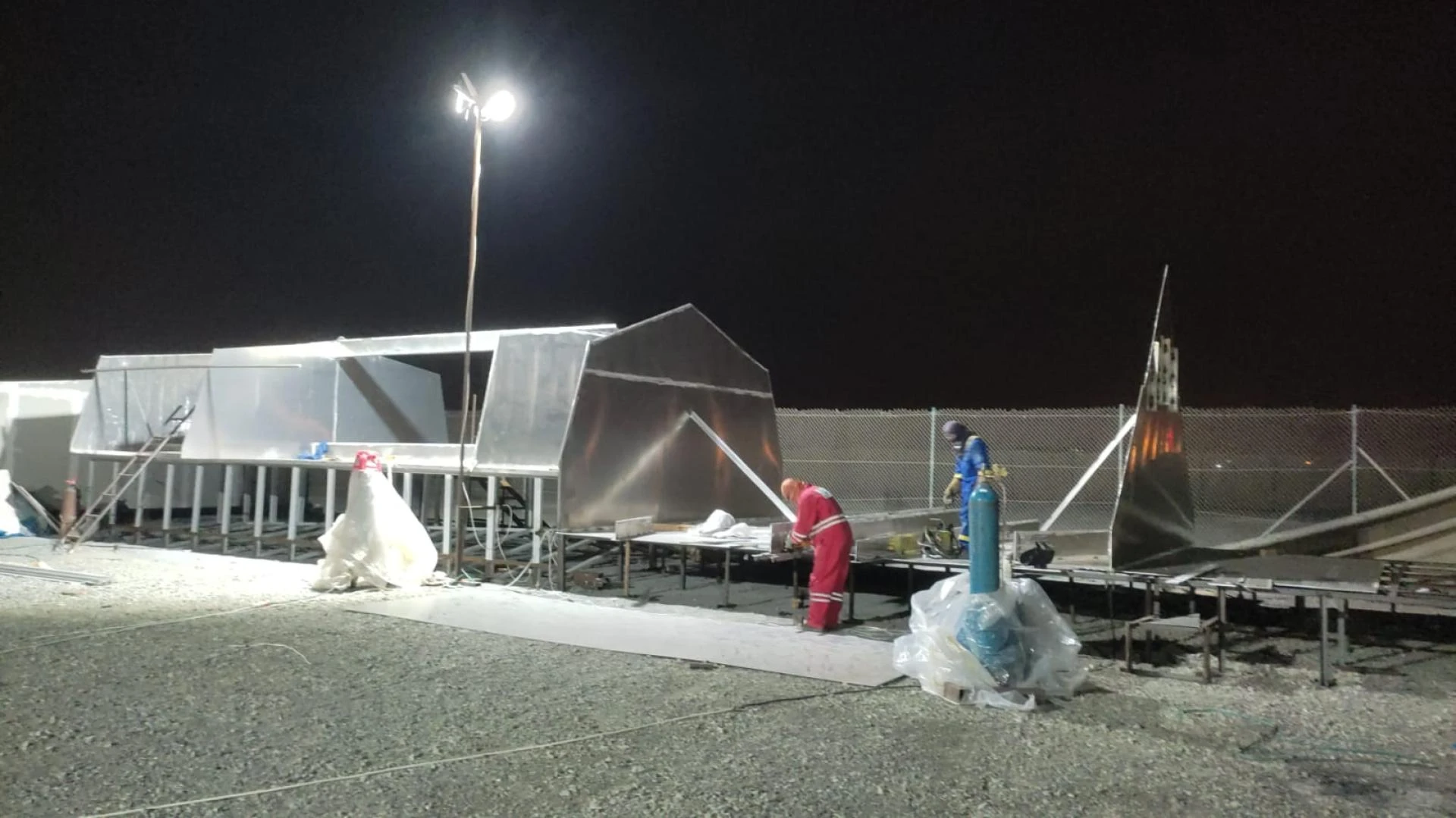
If you’ve spent any time tracking the shipbuilding industry, you already know this: not all shipyards are built the same. Some are legacy titans, others are agile specialists. And when you zoom in on the shipbuilding companies in UAE and the USA, the contrast is as much about philosophy as it is about output.
So let’s put them side by side.
One is a heavyweight of defence contracts, with industrial-scale shipyards stretching across coastal states. The other is a rising player in the Gulf, known for speed, aluminium innovation, and specialization in commercial vessels. Yet both are shaping the maritime future in unique ways.
Here’s how they compare.
A Tale of Two Infrastructures
USA: Legacy Power Meets Industrial Muscle
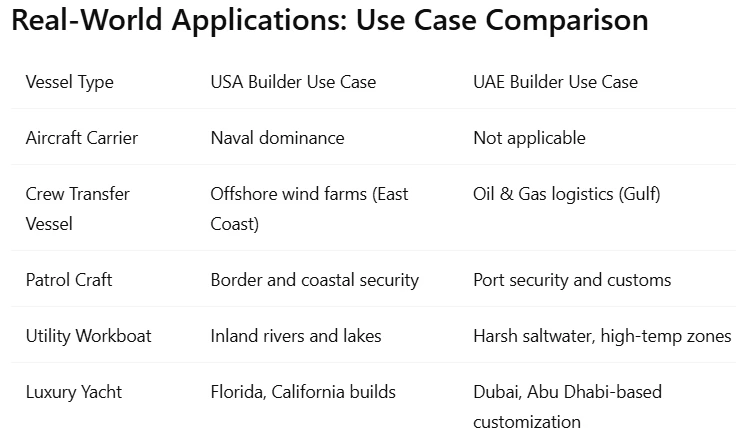
The U.S. shipbuilding ecosystem is massive and deeply entrenched in national security. Most of its big players, like Huntington Ingalls Industries or General Dynamics' Electric Boat, are focused on:
- Nuclear submarines
- Aircraft carriers
- Destroyers and cruisers
These are billion-dollar builds with decades-long life cycles.
Commercial builds? They exist, but they’re not the bread and butter. The U.S. Jones Act also creates a regulatory moat that prevents foreign-built ships from operating in domestic trade routes, keeping American yards busy, but not always globally competitive.
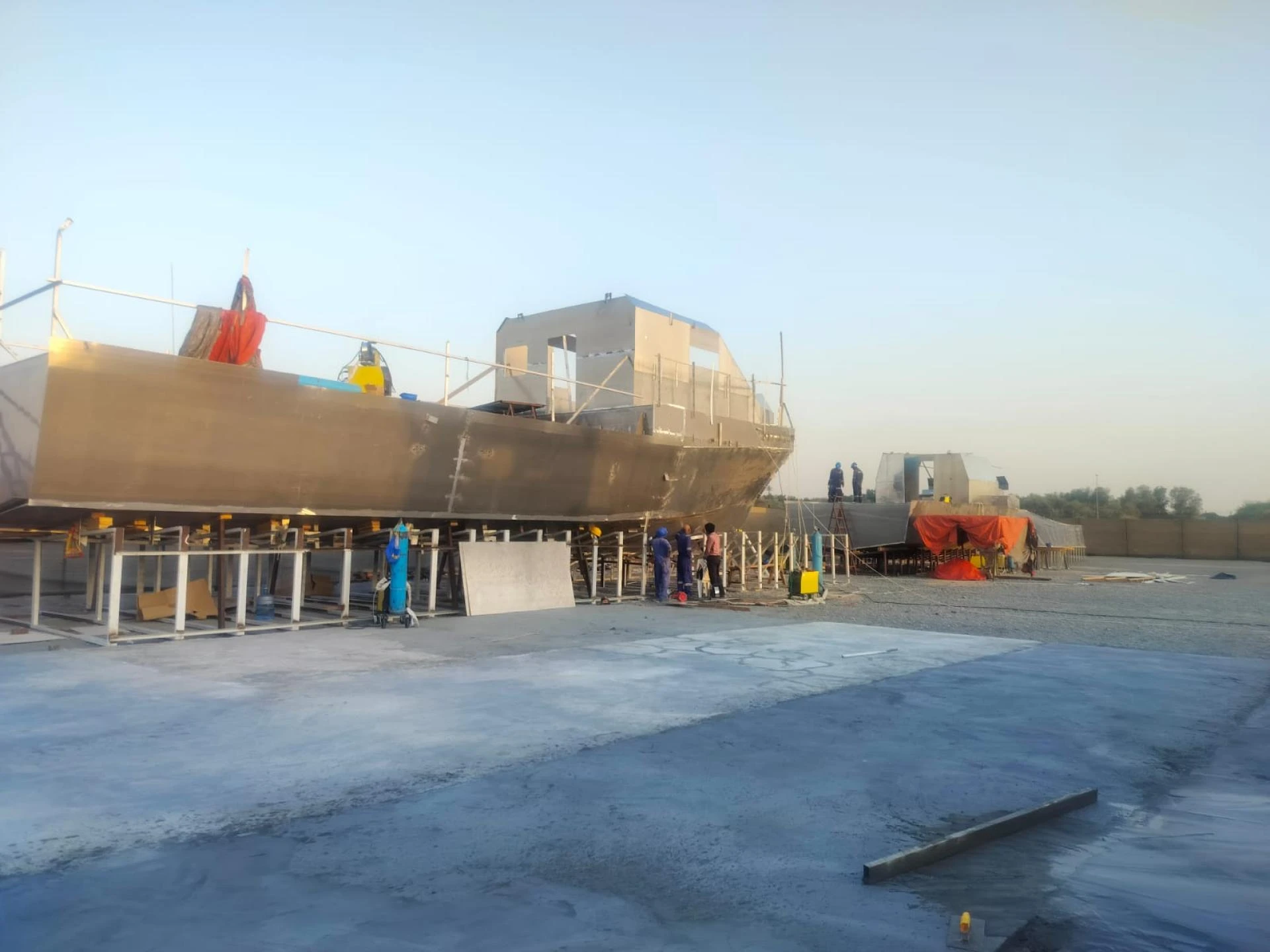
UAE: Nimble, New, and Laser-Focused
On the other hand, ship building companies in UAE thrive on commercial specialization. They’re not gunning for nuclear submarines. Instead, they focus on:
- Aluminium crew boats
- Offshore support vessels
- Coastal patrol craft
- Luxury yachts
This leaner setup means faster builds, more customization, and the ability to pivot with client demand.
Construction Materials: Steel vs. Aluminium
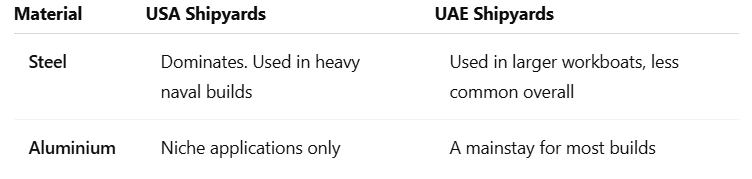 Here’s the thing: many ship manufacturing companies in UAE have embraced aluminium not just for its corrosion resistance, but for its speed of fabrication and fuel efficiency. Especially important for vessels operating in hot, high-salinity Gulf waters.
Speed to Launch: Who’s Faster?
In the U.S., big builds often mean big timelines. A destroyer might take 5–7 years to design and complete. Even smaller commercial ships can take over 24 months.
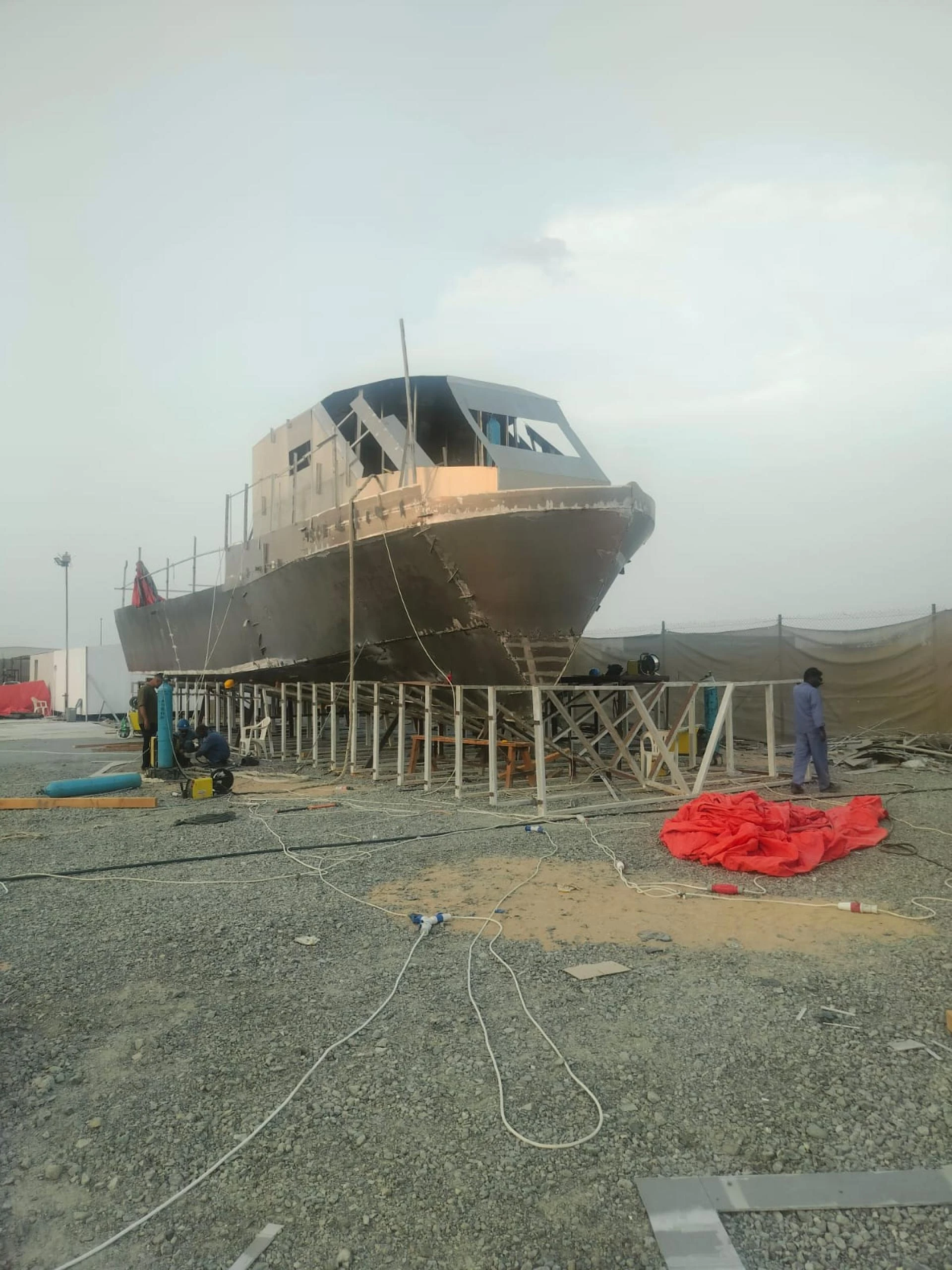
Compare that to a UAE-based shipyard delivering a 40-meter crew boat in just 8–10 months.
This is partly due to the UAE’s streamlined regulations and partly because marine service providers in UAE often work in tandem with shipbuilders. They handle design tweaks, onboard tech, and post-delivery support in one tight loop.
This integrated ecosystem lets UAE yards move fast without compromising quality.
Innovation & Technology
USA Shipbuilders:
- Heavy investment in defence-specific tech
- AI integration for submarine threat analysis
- Advanced radar and stealth coatings
UAE Shipbuilders:
- Digitally optimized hull design (CAD & digital twins)
- Smart onboard systems for energy monitoring
- Real-time fabrication and performance diagnostics
Innovation in the UAE leans toward efficiency, digital control, and end-user experience. Meanwhile, U.S. innovation skews toward military-grade resilience and tech superiority.
Regulations & Red Tape
Ask any contractor and they’ll tell you: American shipyards are buried under red tape. From OSHA to MARAD to U.S. Navy standards, the compliance checklist is relentless.
The UAE, by contrast, has:
- Maritime zones with relaxed import/export controls
- Faster registration and approval processes
- Government incentives for eco-friendly shipbuilding
This allows marine services in UAE to deploy vessels quicker and test innovations without months of waiting.
The Environmental Question
U.S. yards have started pivoting toward sustainability, but it’s slow. The military-first focus leaves less room for experimenting with electric propulsion or hybrid models.
Meanwhile, UAE yards are actively integrating:
- Solar panels
- Hybrid diesel-electric systems
- Hull coatings that reduce drag
This green push isn’t just for show, it’s client-driven. Offshore logistics, coast guards, and port authorities want efficiency and environmental accountability.
FAQ: UAE vs USA Shipbuilding
Q: Are UAE-built vessels recognized globally?
Yes. Many comply with IMO, Lloyd’s Register, and Bureau Veritas standards.
Q: Why are UAE yards faster at delivering vessels?
Fewer regulatory hurdles streamlined design processes, and tighter builder-client integration.
Q: Is the U.S. losing its edge in shipbuilding?
Not exactly. It dominates defence but lags in commercial speed and sustainability.
Q: Who wins on innovation?
Depends on the segment. Military tech? USA. Digital efficiency and green design? UAE.
Q: Can UAE yards handle large-scale builds?
They’re expanding in that direction but are currently more specialized in small to mid-sized vessels.
Final Thoughts: It’s Not a Competition, It’s a Divergence
Comparing the USA and UAE in shipbuilding isn’t really apples to apples. One’s building stealthy warships with multibillion-dollar budgets. The other is designing nimble, efficient vessels for demanding commercial use.
What’s clear is that shipbuilding companies in UAE are setting new benchmarks in responsiveness, design agility, and sustainable engineering. Their partnership with marine service providers in UAE only sharpens their edge, especially when local knowledge meets global standards.
Meanwhile, the U.S. remains the undisputed champion of defence shipbuilding. But for the future of adaptable, fast, and eco-conscious vessels, all eyes should stay on the Gulf.