
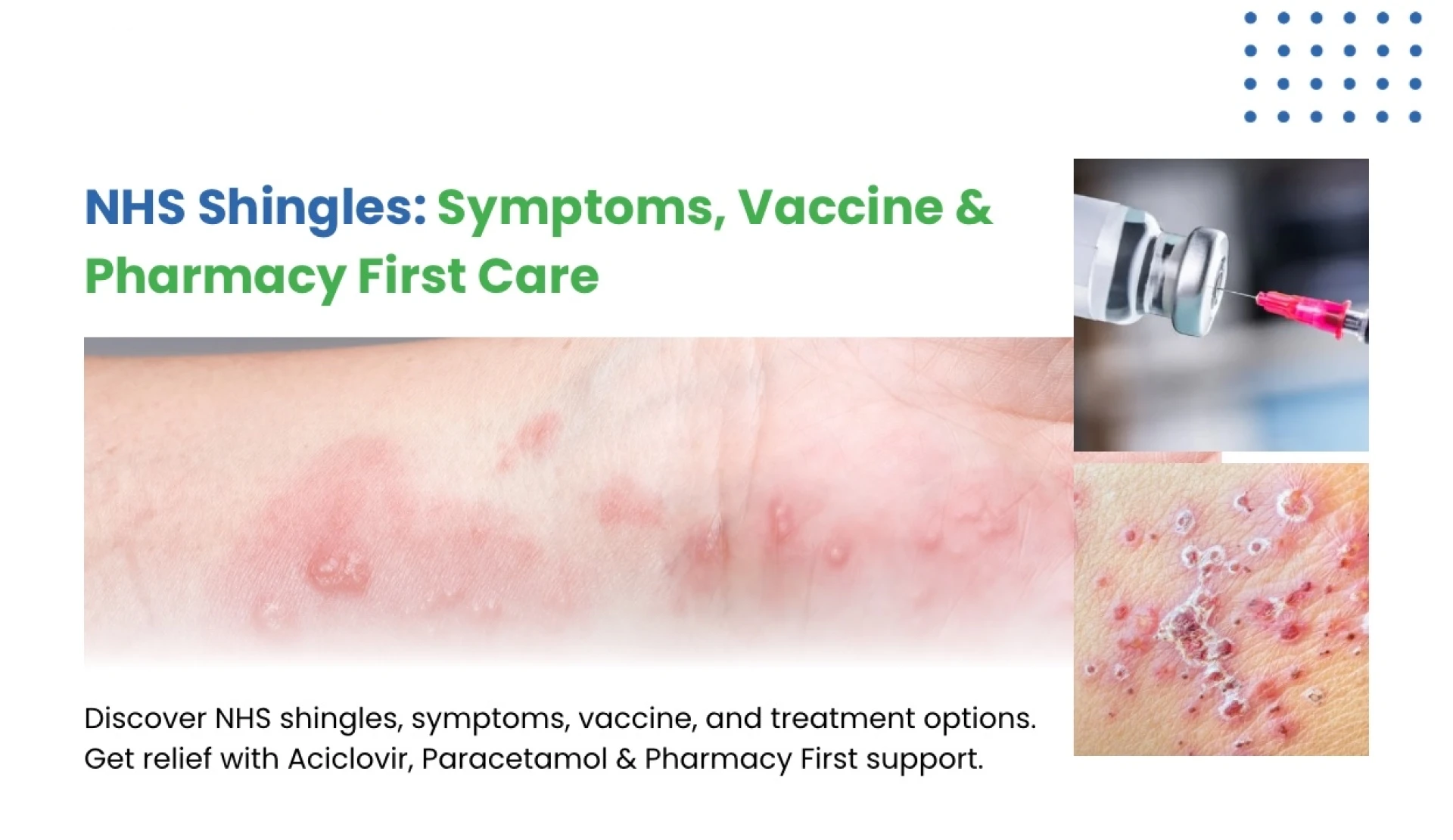
Shingles is a viral, painful disease that affects thousands of individuals in the UK each year. It may come out of the blue with discomfort, itching, and sensitivity, disrupting normal life. Being associated with the chickenpox virus, many people know its name, yet few know the description of how it appears or how it should be treated. Patients often turn to trusted resources like NHS shingles guidance to learn more about the illness, its risks, and the available treatments.
The very first symptom of the condition is typically odd sensations on the skin, be it burning, tingling, and local pain, and this follows a rash. In others, this rash turns to blisters, which are fluid-filled and later crust over. Although shingles is not a life-threatening illness, it can be very uncomfortable and, with unsuccessful management, can result in complications.
What Causes Shingles?
The varicella-zoster virus that causes chickenpox is the cause of Shingles. Once an individual has recovered from chicken pox, the virus rests in the nervous system. It can reactivate many years or decades afterward as shingles. The reason behind the recurrence of the virus in certain individuals but not others is not clearly comprehended. Nonetheless, scientists can state that the immunity weakness has a significant contribution. The elderly, people who are steroid-weaker, and victims of extreme stress are most vulnerable.
Two paragraphs into this discussion, it’s important to point out that many people in the UK rely on nhs shingles information to determine whether they may be at higher risk. The early recognition helps the patients to get treated early, and this could cure the disease soon in the shortest possible time and with fewer complications.
Recognizing Symptoms Early
Shingles may sometimes be confused with other conditions following the early symptoms. The rash is often preceded by pain, itching, or tingling of one part of the body. Days later, there are red patches and blisters in the course of the nerves, which can be on one side of the trunk or face.
Other symptoms may include:
- Headache
- Fever or fatigue
- Sensitivity to light
- Localized pain of burning.
They normally take 2 to 4 weeks in a rash, although in some ninety cases the pain may take a longer time. Postherpetic neuralgia is one such lingering form of pain that is one of the most common problems of shingles.
Treatment Options for Shingles
Antiviral drugs, including acyclovir or valaciclovir and famciclovir, are common and normally used to treat the disease shingles. They best respond to being administered within 72 hours of the rash. By setting up early therapy, one can make the period of the disease shorter and diminish the chances of complications. A lot of painkillers are also essential. Under-the-counter painkillers, calming lotion, or prescribed drugs can be used to alleviate pain. Dr. prescribes corticosteroids in instances where there is inflammation. It is necessary to consult a doctor. In case the symptoms appear to be under control, they can be given to a medical professional to understand whether antiviral medication is necessary.
NHS Shingles: Vaccination and Prevention
Vaccination is one of the most effective methods of minimizing the chances of shingles. NHS does provide a vaccine against shingles to individuals aged 70 in the UK. The vaccine can reduce the risk of shingles and may reduce the severity of the illness if it develops. Commonly, older people are vulnerable to the vaccine since they have a weaker immune system, which cannot fight the dormant viruses. One of the clinical evidences presented by research in this field is that even after shingles has been prevented with the help of vaccination, the chances of nerve pain could be significantly lower in the long term.
Living with Shingles
Drug treatment can be done at home through adversity. The disease is more manageable with the help of simple measures:
- Putting on soft and loose, comfortable clothes makes things less irritating.
- Distancing the rash to avoid infection.
- Application of cool compresses to relieve itching and burning.
- Sleeping to restore the immune system.
It can also be done through friends and relatives who can give support and understanding throughout the disease, as shingles pain is exhausting.
NHS Shingles: Complications to Watch For
Although in most cases, Shingles is manageable, it may cause complications. The most widespread is the postherpetic neuralgia, in which pain persists even when the rash is healed. This may take months or, at worst, years.
Other decision complications might involve:
- If shingles spreads to the eyes, vision will be an issue.
- Scratched Blister infections of the skin.
- Other nervous complications may affect the brain nerves.
Due to these hazards, special attention should be given to case treatment by qualified specialists, in particular, where the case involves the eyes or goes beyond the standard pattern of the focus area.
Shingles and Daily Life
Shingles cause learners to live with changes in their routines. It can include work, social life, and even sleep. Loss of concentration is a common complaint among many patients because of pain or discomfort. The emotional impact cannot be underrated as well. Fear of complications and anxiety concerning the recovery are prevalent. Due to flexibility, which may be granted by the employers and relatives, recovery can be supported and may be carried out by street-side assistance through time off work, reduced stress, and a share of daily tasks.
Preventing Spread of the Virus
Although shingles per se is not infectious like the cold, flu, the varicella-zoster virus may be transmitted to an individual lacking chicken pox, owing to another individual having active shingles. The result of such instances would be that the person who has been newly infected would not develop shingles, but chickenpox. For this reason, those infected with shingles should not have close contact with pregnant women who have never encountered chickenpox, newborn babies, or individuals with compromised immunity before the blisters have hardened completely.
Supporting Recovery and Long-Term Health
Other than the treatment of shingles through medicine, general lifestyle has a significant role in shingles management. Eating well, remaining active within own means, and engaging in stress management can boost the immune system as well as lower the risk of developing complications. There is emotional well-being that is important. Both forming support groups or simply discussing with people who have had shingles will help one feel less isolated during the healing of the condition.
Final Perspective on Shingles Care
Public health resources like nhs shingles guidance are valuable tools for patients seeking reliable information. Although it may be uncomfortable and bothersome, it is often treated through medical intervention, vaccination, and supportive therapy despite causing shingles. Being able to learn the prevention measures, identify the symptoms early, and understand the treatments that are offered, including identifying the symptoms, preventive methods, and mastering the disease in new situations, one becomes able to go through shingles with a lot of confidence.