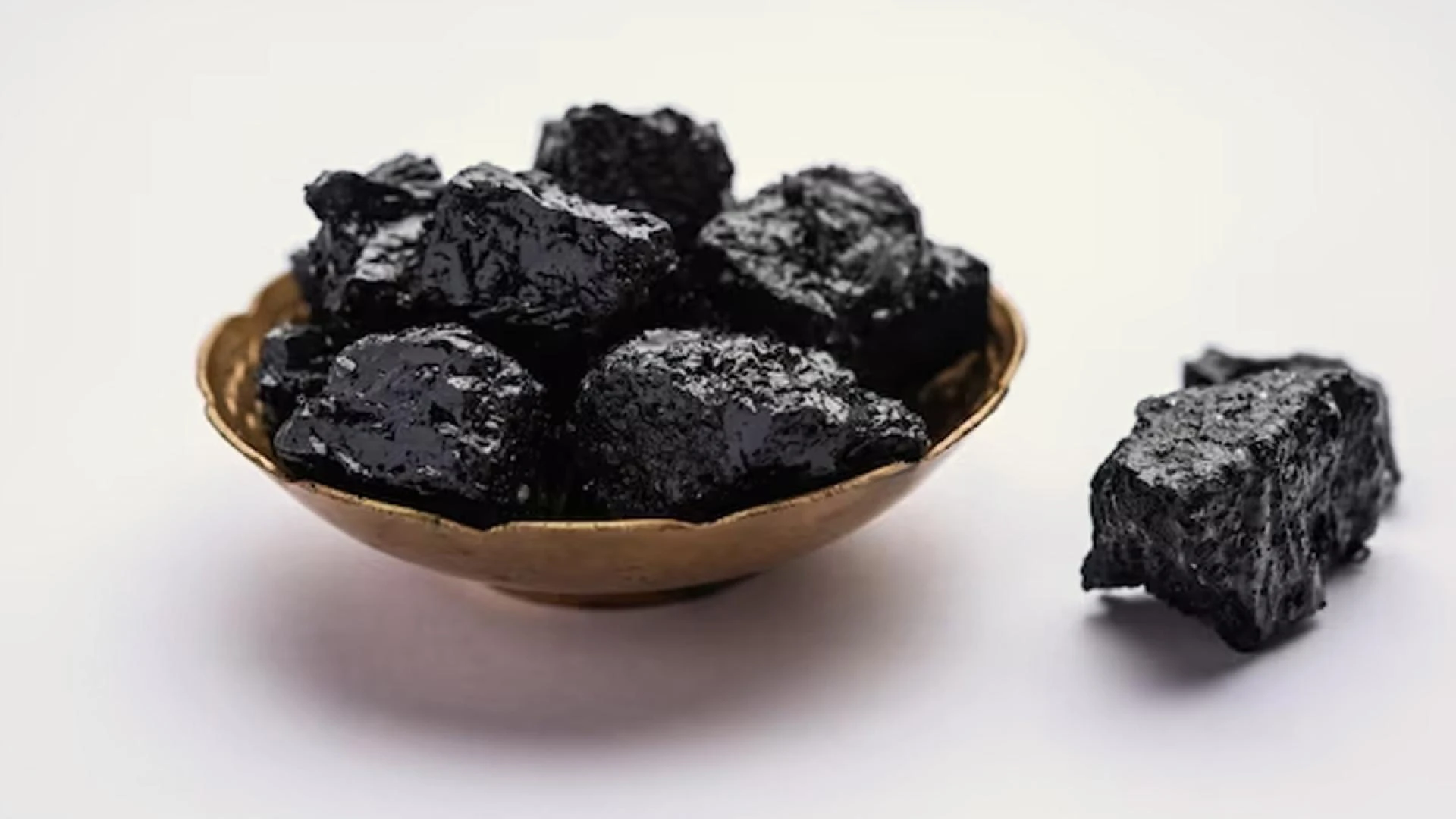
Shilajit, a sticky, tar-like substance found in the high-altitude rocks of the Himalayas and other mountain ranges, has been revered for centuries in traditional Ayurvedic medicine. Often referred to as "the conqueror of mountains and destroyer of weakness," Shilajit is believed to possess a remarkable array of health benefits. But what is it, exactly, and what does the science say about its purported powers? This blog post delves into the fascinating world of shilajit, exploring its origins, traditional uses, potential benefits, and important considerations.
The Origin Story: A Geological Wonder
Shilajit isn't a mineral in the traditional sense. It's a complex substance formed over centuries, perhaps even millennia, through the decomposition of plant matter and minerals trapped within the layers of rock. Think of it as nature's slow composting process, occurring under immense pressure and extreme temperatures. This process results in a rich, bioactive compound containing fulvic acid, humic acid, and a variety of trace minerals, including iron, calcium, magnesium, and zinc. The unique composition of Shilajit is believed to be responsible for its purported therapeutic properties.
A History Steeped in Tradition:
Shilajit's use dates back thousands of years, with mentions in ancient Ayurvedic texts like the Charaka Samhita and Sushruta Samhita. In traditional medicine, it's considered a rasayana, a rejuvenating substance that promotes physical and mental well-being. Ayurvedic practitioners have used Shilajit to treat a wide range of conditions, from fatigue and weakness to digestive issues and respiratory ailments. It was also believed to enhance vitality, improve memory, and boost the immune system.
Potential Health Benefits: Exploring the Science:
Modern science is beginning to explore the potential health benefits of Shilajit, and some promising research has emerged. While more large-scale, high-quality studies are needed, preliminary findings suggest that Shilajit may offer several advantages:
- Increased Energy and Reduced Fatigue: One of the most commonly reported benefits of Shilajit is its ability to boost energy levels and combat fatigue. Studies have shown that Shilajit can improve mitochondrial function, the powerhouses of our cells, which could explain its energy-boosting effects.
- Antioxidant Powerhouse: Shilajit is rich in antioxidants, particularly fulvic acid, which can help protect cells from damage caused by free radicals. This antioxidant activity may contribute to Shilajit's potential anti-aging effects and its ability to support overall health.
- Cognitive Enhancement: Some research suggests that Shilajit may improve cognitive function and protect against age-related cognitive decline. Studies have explored its potential benefits in Alzheimer's disease, with promising initial results.
- Testosterone Boost: Shilajit has been shown to increase testosterone levels in some men. This effect could potentially benefit sexual health, muscle mass, and bone density. However, more research is needed to confirm these findings.
- Improved Iron Levels: Shilajit contains iron and may improve iron levels in individuals with iron deficiency. However, it's important to consult with a healthcare professional before using Shilajit for iron deficiency, as excessive iron can be harmful.
- Anti-inflammatory Effects: Some studies indicate that Shilajit may possess anti-inflammatory properties, which could be beneficial in managing inflammatory conditions.
Choosing the Right Shilajit:
Due to its increasing popularity, the market is flooded with Shilajit products, and unfortunately, not all are created equal. Quality and purity are crucial when choosing Shilajit. Here are some factors to consider:
- Source: Look for Shilajit sourced from high-altitude regions like the Himalayas, where it is believed to be of higher quality.
- Processing: Traditional methods of purification are preferred. Avoid products that have been heavily processed or contain additives.
- Form: Shilajit is available in various forms, including resin, powder, and capsules. Resin is often considered the purest form, but it can be more challenging to use.
- Testing: Reputable suppliers should provide third-party testing results to verify the purity and authenticity of their Shilajit. Look for certifications and analysis reports.
Important Considerations and Potential Side Effects:
While Shilajit is generally considered safe for most people, it's essential to be aware of potential side effects and precautions:
- Dosage: Start with a low dose and gradually increase it as needed. Follow the recommended dosage on the product label or consult with a healthcare professional.
- Allergies: Some individuals may be allergic to Shilajit. If you experience any allergic reactions, discontinue use immediately.
- Interactions: Shilajit may interact with certain medications, so it's crucial to consult with your doctor before using it, especially if you are taking any prescription drugs.
- Heavy Metals: Due to its natural origin, Shilajit can sometimes contain heavy metals. Choosing a reputable supplier that conducts third-party testing can minimize this risk.
- Pregnancy and Breastfeeding: There is limited research on the safety of Shilajit during pregnancy and breastfeeding. It's best to avoid using it during these times.
The Verdict:
Shilajit is a fascinating substance with a rich history in traditional medicine. While modern science is beginning to uncover its potential health benefits, more research is needed to fully understand its mechanisms of action and therapeutic applications. If you are considering using Shilajit, it's crucial to choose a high-quality product from a reputable supplier and consult with a healthcare professional, especially if you have any underlying health conditions or are taking medications. 1 While Shilajit may offer several health benefits, it's not a magic bullet and should not be used as a substitute for a healthy lifestyle. A balanced diet, regular exercise, and stress management are essential for overall well-being. Shilajit, when used responsibly and under guidance, may be a valuable addition to a holistic health approach.