The first sign was a rough idle. Then came a harsh knock, a warning light, and a stall that left me stranded in a supermarket car park. A mobile mechanic gave it a once-over and shook his head: internal damage, likely a bottom-end issue. Repair costs were well beyond what the car was worth. Keeping it meant paying rego and insurance on something that couldn’t move; letting it sit would only annoy the neighbours and the body corporate. I decided the car had to go, quickly and cleanly, with certainty around pickup and payment.
What I wanted from the sale
I wrote down three non-negotiables: a firm quote up front, same-day collection if possible, and EFT at pickup so the funds landed before I signed anything. No towing fees tacked on at the kerb. No “we’ll transfer later” promises. And I wanted proper recycling—usable parts recovered, fluids captured, metal processed—not a half solution that left the car sitting in a paddock somewhere.
Shortlisting buyers the simple way
I kept it local. Melbourne’s spread means distance can change both timing and price, so I focused on operators who already had trucks running nearby. I called at lunch and asked each one the same set of questions:
- What info do you need to quote right now?
- Is towing included?
- Do you pay via EFT on pickup?
- Can you collect after work?
- What documents do you need from me?
The better operators were direct. One asked for the rego status (expired), VIN, make, model, whether it still rolled, and a quick rundown of faults. I sent photos—front, rear, both sides, engine bay, odometer, and a close-up of the oil leak tracing under the sump.
Comparing offers without the guesswork
The first offer arrived fast but felt light. The second looked higher, then added a transport fee that wiped out the difference. The third broke down how they priced it: parts value, metal weight, and a realistic allowance for winching a non-runner. They confirmed an evening slot and EFT on the spot, assuming the car matched the photos. That was the clarity I needed, so I booked.
Prepping the car for an easy pickup
Before the truck arrived, I pulled everything from the cabin and boot, removed the e-tag, and grabbed my licence. The car still rolled, so I straightened the wheels and made sure there was a clear line from the street to the driveway. If you’re in a tight terrace lane, it’s worth asking a neighbour to leave a space for the truck; ten minutes of courtesy saves an hour of shuffling later.
The collection—fast and calm
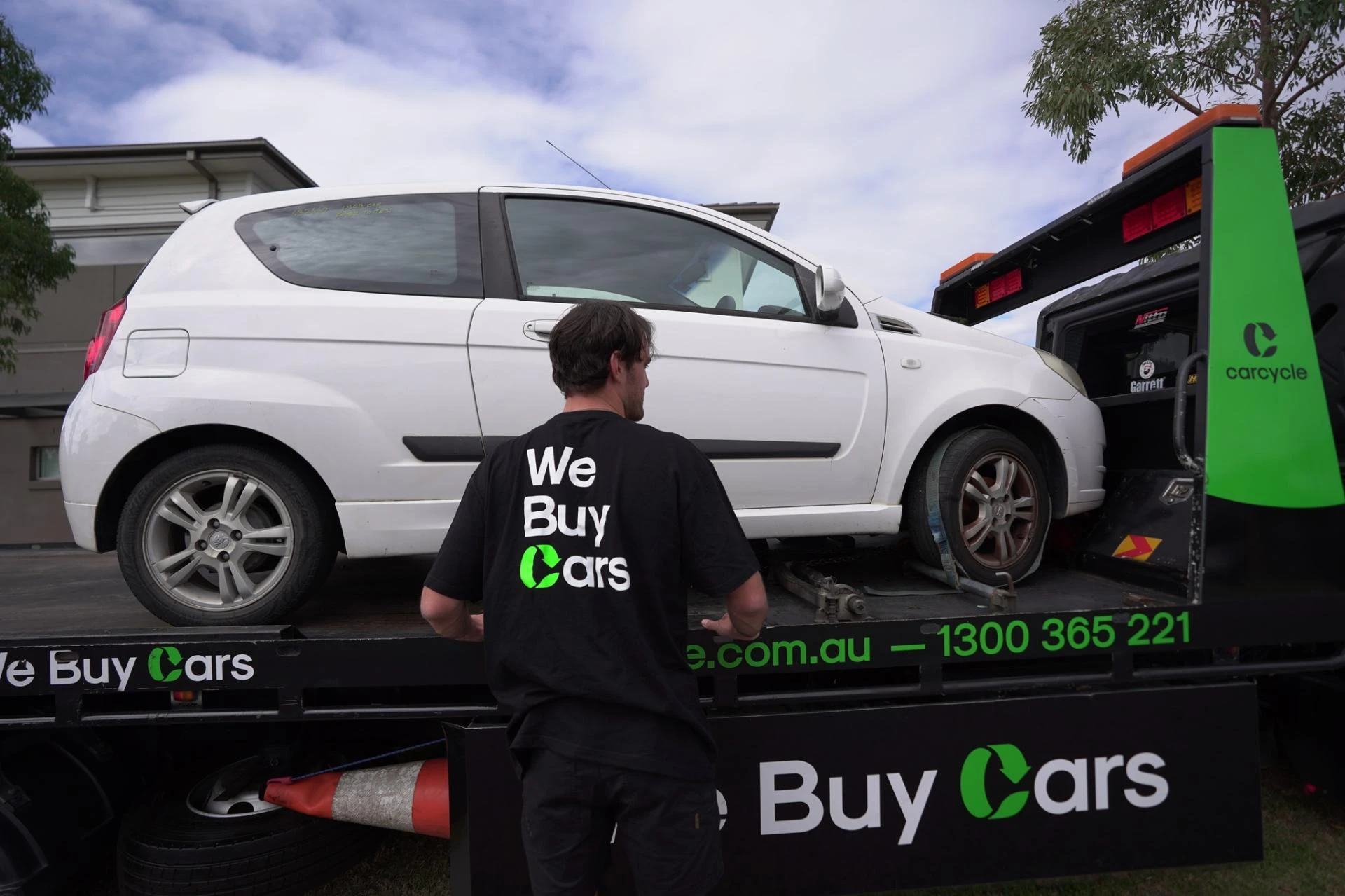
The driver phoned 20 minutes out. He arrived with skates and a long winch cable, did a walk-around, checked the VIN against the job sheet, and took a few photos for their records. The front tyre wouldn’t hold air, so he slid skates under and pulled the car onto the tray in one neat, slow run. As the deck levelled, the office processed the EFT. I watched the deposit appear in my banking app and only then signed the release. No cash to carry, no claims about “processing overnight”.
Paperwork that keeps things tidy
The receipt listed the vehicle details, amount, date, and ABN. I kept it with photos of the VIN plate and the odometer—handy if anything pops up later. The next morning I contacted VicRoads to finalise any admin attached to the vehicle. If plates are still on and rego is current, remove and return them as required. If there’s finance owing, clear that first; most buyers won’t touch an encumbered car.
What happens after it’s gone
I asked the buyer what the yard would do. Reusable parts are tested and resold; fluids are drained and handled properly; tyres and batteries go through the right waste streams; the shell is processed for metal recovery. It beats having a dead engine leaking onto a driveway and keeps useful material in circulation.
Timing that surprised me
From first call to an empty driveway was under six hours. Being flexible with the pickup window helped; I accepted an evening slot when the truck was already working my side of town. Having photos and details ready shaved more time. If you can provide clear access and accurate information, the job moves quickly because the driver knows exactly what to expect.
Setting a fair price expectation
Scrap and parts values shift with markets, model demand, and transport distance. I wasn’t chasing every last dollar; I wanted a fair number and a smooth handover. What helped: honest photos (panels, engine bay, interior), a clear note on the engine failure, and confirmation the car could still roll. If a catalytic unit is intact, it can lift the figure; if key parts are missing, expect less. Straight talk prevents a haggle beside the truck.
Payment method that just works
EFT suited me. It’s quick, recorded, and simple to reconcile. If someone prefers cash, check their limits and any ID rules, then still confirm the amount before signing. Either way, don’t release the car until the payment is confirmed. A reputable operator won’t mind waiting the minute it takes to see funds hit your account.
Suburbs, streets, and access
Melbourne throws up all kinds of access scenarios. Inner-city terraces in Fitzroy or Collingwood might need a street-level winch. Wider streets in Dandenong or Sunshine are straightforward for a tilt tray. Underground carparks can be tricky due to ceiling height—ask about a plan to move the car to street level if that’s your situation. The more you share ahead of time, the smoother the pickup.
Clearing space and clearing head noise
The car had history—weekend beach runs, late-night airport trips, a thousand errands—but once the tray rolled away, the benefits were immediate: a free spot, fewer bills, and no more “maybe I’ll fix it next month” circling in my head. Turning a dead engine into a neat transaction felt like closing a tab I’d left open for too long.
The exact phrases that kept calls on track
When I rang around, I used clear, plain wording so no one mistook the car for a repair job. I said it was a non-runner with engine failure, confirmed there was no encumbrance, and asked for EFT on pickup. I mentioned I was ready to sell damaged car with photos already sent, clarified I wasn’t trying to sell cars for cash to a dealer, and stated I needed to sell my car in melbourne with same-day collection if they had a slot.
The quick checklist I followed
- Decide what matters: firm quote, towing included, EFT at pickup
- Gather details: VIN, rego status, make/model, key faults
- Send clear photos and confirm the car rolls (or not)
- Book a realistic slot and prep access for a truck
- Verify payment has landed, then sign and hand over
- Wrap up any remaining VicRoads admin
By the end of the day, the driveway was clear, the funds were in my account, and the car was on its way to become parts and raw material instead of an unpaid project gathering dust.