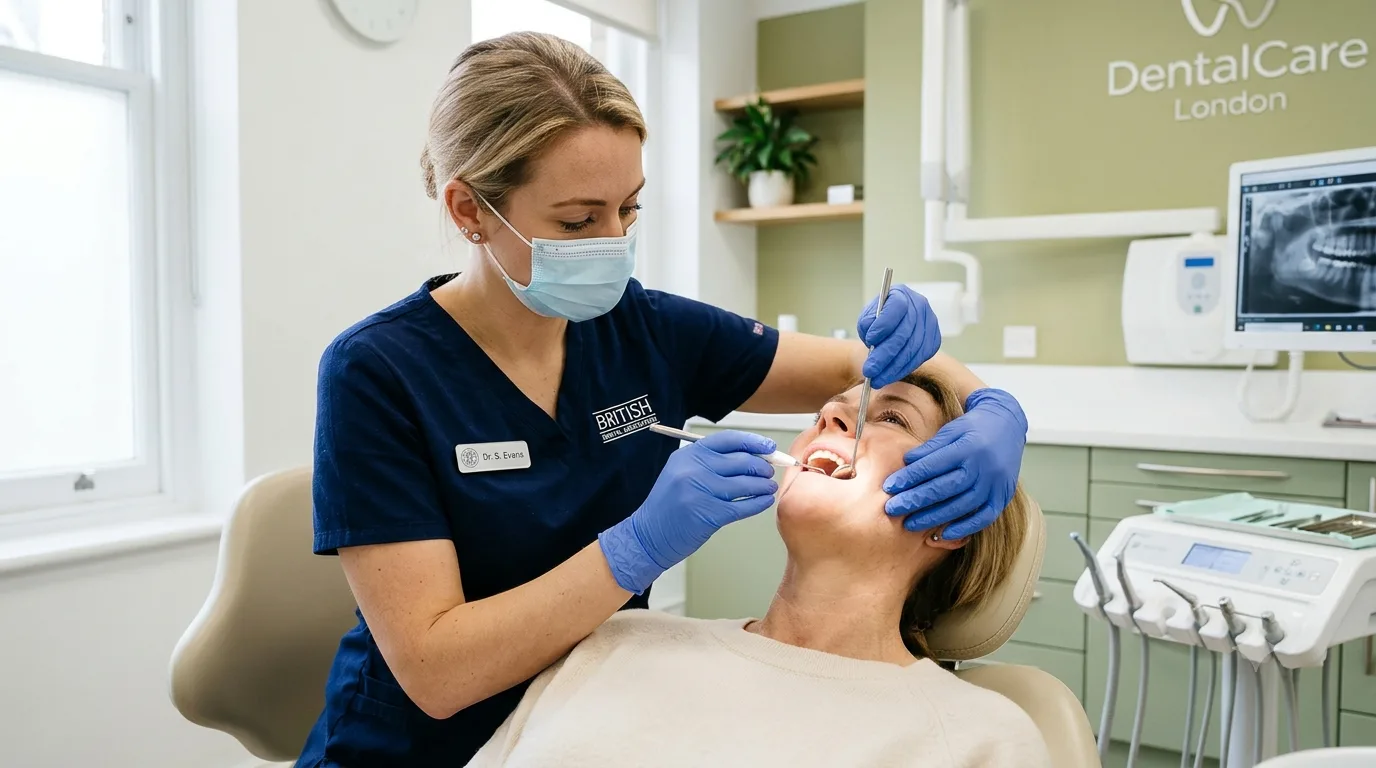
Plenty of people in the UK put off visiting the dentist because of fear. Whether it comes from a bad past experience, a dislike of needles or simply the sound of the drill, dental anxiety is very common. The good news is that you do not have to cope with it alone. A sedation dentist can use techniques that help you stay relaxed while your treatment is carried out.
This guide explains what dental sedation is, the main types used in the UK, who it may help and what to ask before you book.

What Is Dental Sedation?
Dental sedation uses medication to help you feel calm and at ease during treatment. In most cases, you stay conscious and able to respond to your dentist, which is why it is often called conscious sedation. It is different from a general anaesthetic, which puts you fully to sleep and is only given in a hospital setting.
Sedation does not replace local anaesthetic. The area being treated is still numbed so that you do not feel pain. Sedation simply helps with the worry that surrounds treatment.
Who Might Benefit from a Sedation Dentist?
Sedation may be worth discussing if you:
- Feel very anxious or have a fear of dental treatment
- Have avoided the dentist for a long time
- Have a strong gag reflex
- Find needles or dental noises distressing
- Need a longer or more complex procedure
- Have had a difficult dental experience in the past
Many people find that once they have a calm, positive experience, their confidence returns and routine care feels far easier.
Types of Dental Sedation Used in the UK
There are three main types, and the right one depends on your level of anxiety, your health and the treatment planned.
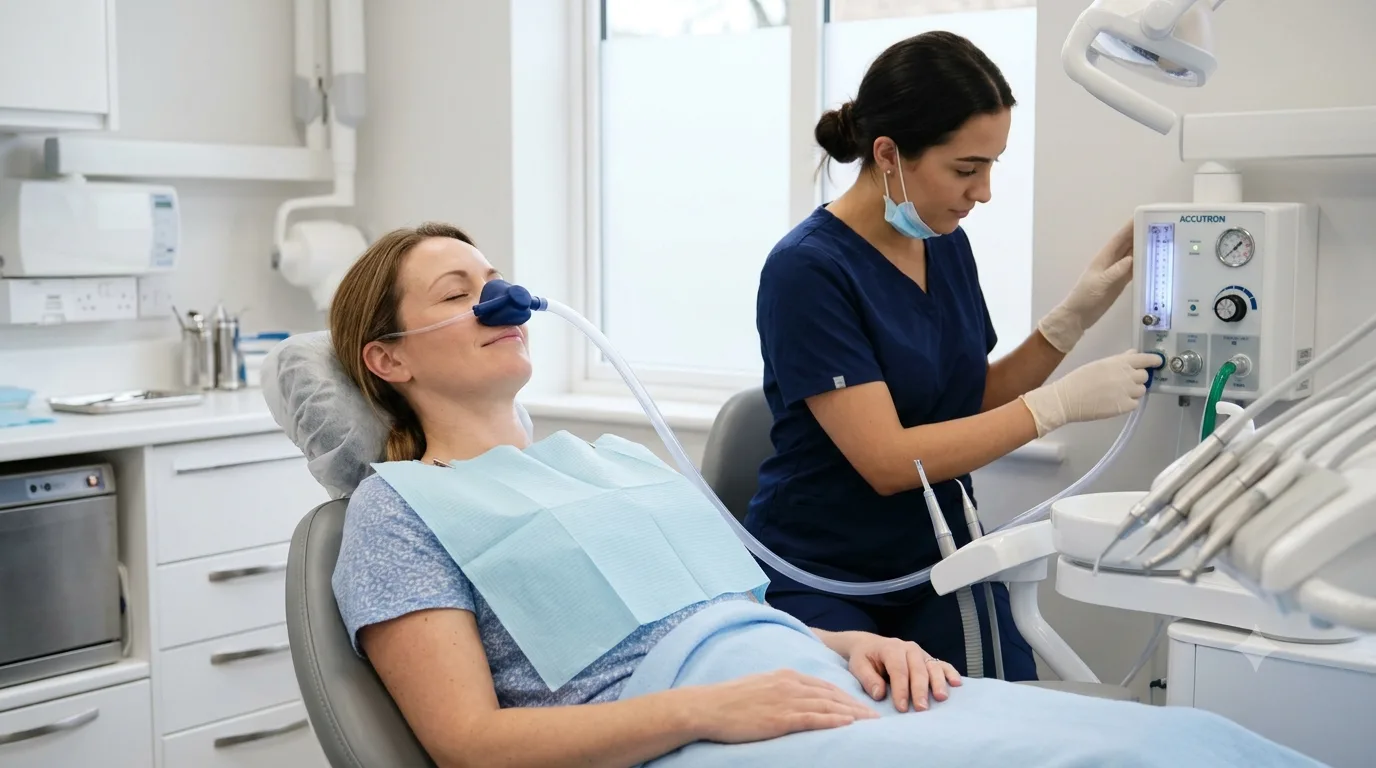
Inhalation sedation. A mixture of oxygen and nitrous oxide, often called “laughing gas”, is breathed through a small mask. It works quickly, wears off fast and most people can go about their day afterwards.
Oral sedation. A tablet is taken shortly before your appointment. It helps you feel drowsy and relaxed, and you will usually need someone to accompany you home.
Intravenous (IV) sedation. The medication is given through a small tube in the hand or arm. It produces a deeper level of relaxation, and many people remember little of the appointment afterwards. You will need an escort and should rest for the remainder of the day.
Sedation should only be provided by appropriately trained and registered dental professionals, in a practice regulated by the Care Quality Commission (CQC).
What Happens Before Treatment?
A responsible sedation dentist will start with a full assessment. This usually includes:
- A review of your medical history and any medication you take
- A discussion about your fears and what triggers them
- An explanation of the sedation options and what to expect
- Clear instructions on eating, drinking and arranging an escort
Never feel embarrassed about explaining your anxiety. Dental teams hear this every day, and the more they know, the better they can look after you.
Aftercare and Safety Advice
Following sedation, you may feel sleepy or forgetful for a while. Typical advice includes:
- Having a responsible adult take you home and stay with you
- Not driving, drinking alcohol or operating machinery for at least 24 hours
- Avoiding important decisions or signing legal documents that day
- Resting and taking things easy
Your dental team will give you written instructions so you know exactly what to do.
Treatments Where Sedation Is Often Considered
Sedation can be helpful for a range of procedures, particularly those that people find stressful, such as extractions, implant surgery and longer restorative work. Many patients also feel anxious about root canal treatment, even though it is designed to relieve pain and save a natural tooth. If this applies to you, ask your dentist what options are available to keep you comfortable.
Other Ways to Manage Dental Anxiety
Sedation is not the only answer. Many nervous patients find these steps helpful:
- Choosing a practice with a calm, unhurried atmosphere
- Booking a first visit that is simply a chat and a gentle check-up
- Agreeing a hand signal so you can pause treatment at any time
- Listening to music or a podcast through headphones
- Practising slow, steady breathing
If you are looking for a dentist who takes anxiety seriously, a friendly first appointment is a good place to start. Practices such as Southwell Dental Care welcome nervous patients with a gentle, understanding approach and take time to listen before any treatment begins.
Frequently Asked Questions About Sedation Dentistry
Is dental sedation safe?
When provided by trained professionals following national guidance, dental sedation is considered safe for most people. Your dentist will check your medical history first to make sure it is suitable for you.
Will I be asleep?
Not usually. With conscious sedation you remain awake but deeply relaxed. IV sedation can leave you with little memory of the treatment, but it is not a general anaesthetic.
Will I feel any pain?
No. Local anaesthetic is still used to numb the area, so the treatment itself should be comfortable.
Can I eat before sedation?
It depends on the type of sedation. Your dentist will give you clear instructions, which you should follow carefully.
Do I need someone with me?
For oral and IV sedation, yes. You will need a responsible adult to take you home and stay with you. Inhalation sedation usually does not require this, but your dentist will advise you.
How much does sedation cost?
Prices vary between practices and depend on the type and length of sedation. Always ask for a clear written quote before you book.
Is sedation available on the NHS?
Availability is limited and depends on your clinical needs and local services. Your dentist can explain what applies to you.
Final Thoughts
Fear of the dentist should never stop you from looking after your oral health. Whether you choose sedation or simply need a patient, caring team, there are plenty of ways to make treatment calmer and more comfortable. The most important step is to talk openly about how you feel and ask about the options available.