
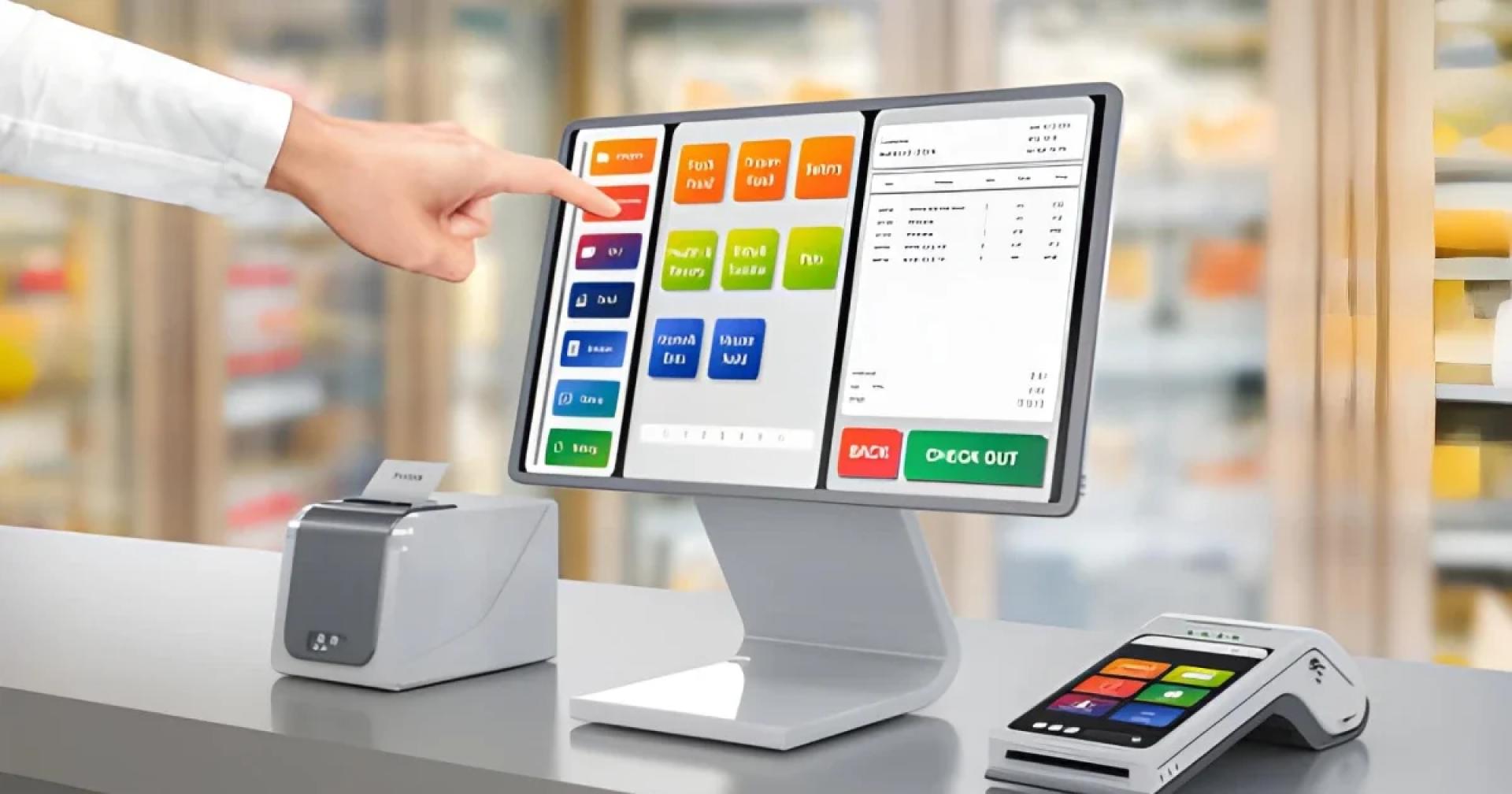
Security has become one of the most important concerns in modern business transaction systems. Retail stores, restaurants, and service providers process large amounts of financial data daily. Protecting customer payment information and business records is essential to maintaining customer trust and avoiding financial losses. Modern till point machines are designed with advanced security technologies that help businesses operate safely in digital and physical environments.
Traditional checkout systems were vulnerable to several security risks, including unauthorized access, payment fraud, and data theft. Modern technology has improved system protection by introducing encryption methods, authentication controls, and real-time monitoring systems. Businesses that want reliable transaction security often invest in a high-quality Till Point Machine that integrates multiple layers of protection into one platform. These systems are designed to safeguard sensitive financial information while maintaining fast and efficient checkout operations.
Data Encryption TechnologyData encryption is one of the primary security features in modern checkout machines. Encryption converts readable information into coded formats that can only be accessed by authorized systems.
When customers make payments using credit cards or digital wallets, transaction data is transmitted through secure communication channels. Advanced encryption protocols protect financial information during transmission between the checkout device, payment gateway, and banking network.
Secure Socket Layer (SSL) and Transport Layer Security (TLS) protocols are commonly used in modern payment processing systems. These technologies prevent cybercriminals from intercepting sensitive data during online communication.
User Authentication and Access ControlModern till point machines support multi-level authentication systems. Access control ensures that only authorized employees can operate critical system functions.
Role-based access management allows business owners to assign different permission levels to employees. For example, cashiers may be allowed to process transactions, while managers may have access to financial reports and system configuration settings.
Multi-factor authentication adds an additional layer of security. Users may need to provide passwords, security tokens, or biometric verification before accessing system functions.
Fraud Detection and Transaction MonitoringFraud prevention is a major requirement in financial transaction systems. Modern checkout machines use intelligent monitoring algorithms to detect suspicious activities.
Real-time transaction monitoring helps identify unusual payment patterns. If the system detects abnormal behavior, it can automatically alert security administrators.
Some advanced systems also support artificial intelligence-based fraud detection. Machine learning algorithms analyze transaction history and detect potential security threats.
Secure Payment Gateway IntegrationPayment gateway security is critical for protecting customer financial information. Modern till machines are integrated with secure payment processing networks.
Tokenization technology is commonly used to replace sensitive card information with unique digital identifiers. Even if data is intercepted, tokenized information cannot be used for unauthorized transactions.
Compliance with international security standards such as PCI DSS (Payment Card Industry Data Security Standard) ensures safe payment processing.
Network Security ProtectionNetwork security is essential for cloud-connected checkout systems. Businesses must protect their POS networks from cyberattacks and unauthorized access.
Firewalls and intrusion detection systems help monitor network traffic. These technologies block suspicious connection attempts and protect business data.
Secure Wi-Fi configuration is also important for businesses using wireless checkout devices. Password protection and network segmentation reduce vulnerability to cyber threats.
Data Backup and Recovery SystemsData loss can cause serious business disruptions. Modern till point machines include automated backup systems.
Cloud storage solutions provide secure data backup options. In case of system failure or hardware damage, business data can be restored quickly.
Regular backup scheduling ensures business continuity and reduces operational risks.
Employee Security ManagementHuman error is one of the major causes of security breaches. Employee training is essential for maintaining system security.
Businesses should educate staff about password protection, phishing threats, and safe transaction handling practices.
Audit logs help track employee activities and system changes. Activity monitoring improves accountability and security control.
Future Security Development TrendsFuture till point machine security technology will likely include biometric authentication, blockchain-based payment verification, and advanced artificial intelligence protection systems.
Voice recognition, facial authentication, and behavioral analysis may become standard security features.
Businesses will continue adopting smart security systems to protect financial transactions and customer information.
ConclusionSecurity is a fundamental requirement in modern business transaction systems. Advanced Till Point Machine technology provides encryption, authentication, fraud detection, and network protection features.
Businesses that invest in secure checkout technology can reduce financial risks and improve customer trust. As digital commerce expands, security innovation will remain a key priority in POS system development.
Implementing modern security standards helps businesses operate safely while maintaining efficient and reliable transaction processing environments.