Securing a massive industrial site or a sprawling commercial complex requires a strategic approach that goes beyond simply mounting hardware on a wall. Effective security camera installation for large properties involves a comprehensive site survey to identify blind spots, the integration of high-resolution IP cameras with centralized management software, and the deployment of robust cabling infrastructure to ensure consistent data transmission. Proper height placement and the use of wide-angle or PTZ (Pan-Tilt-Zoom) lenses allow for maximum coverage while minimizing the number of units required. Power over Ethernet (PoE) remains the standard for these installations, as it simplifies the wiring process and provides a reliable power source across vast distances.
Mastering Peripheral Boundary Protection
Large facilities often face risks long before an intruder reaches the main building. Focus first on the outermost edges of the property. Fences, gates, and loading docks need constant monitoring to prevent unauthorized access. Thermal imaging cameras work wonders here because they detect heat signatures even in total darkness or heavy fog. Light poles usually serve as the best mounting points for these cameras. You get a bird's-eye view that covers hundreds of meters with a single lens. High-contrast imaging helps security teams distinguish between a stray animal and a person attempting to scale a fence.
Cabling for these distant points presents a unique hurdle. Standard copper wires lose signal strength after 100 meters. Fiber optic cables solve this problem by carrying data over several kilometres without any lag. If you are planning a security camera installation in Mississauga, local weather conditions like heavy snow and wind must be considered. Opt for housings with an IP67 rating to protect the internal sensors from moisture and extreme temperature swings. This durability ensures the system remains operational during a harsh Canadian winter.
Designing a Scalable Network Architecture
Modern surveillance relies heavily on the strength of your local network. A massive property might have fifty or a hundred cameras running simultaneously. This creates a heavy load on the bandwidth. Segmenting the network is a smart move. Keep your security data on a separate VLAN to prevent it from slowing down your office internet. Use Network Video Recorders (NVRs) with massive storage capacities. High-definition footage eats up space quickly, especially when recording at 30 frames per second. Implementing H.265 compression helps reduce file sizes without sacrificing the clarity needed for facial recognition.
Reliability is the backbone of any large-scale setup. Redundancy should be built into the system at every level. Dual power supplies and RAID storage configurations prevent data loss if a single hard drive fails. Cloud backups provide an extra layer of safety, allowing you to access footage even if the physical recorder is damaged. Remote monitoring capabilities allow facility managers to check feeds from a smartphone or tablet. This flexibility is essential for overseeing operations across multiple buildings or various wings of a single warehouse.
Strategic Camera Placement and Lens Selection
Every corner of a facility has a specific purpose, so the cameras there should too. Wide-angle lenses are perfect for parking lots and open courtyards where you need to see the "big picture." Narrow, varifocal lenses work better for entryways or cash-handling areas. These allow you to zoom in on specific details like license plates or ID badges. Blind spots are the enemy of a secure facility. Overlapping fields of view ensure that an intruder cannot move between "dead zones" to reach sensitive areas.
- Entrances and Exits: Capture clear facial shots of everyone entering the building.
- Loading Docks: Monitor shipments and prevent internal theft or inventory errors.
- Stairwells and Hallways: Track movement throughout the interior of the facility.
- Server Rooms: Protect high-value data assets with dedicated, high-resolution coverage.
- Parking Structures: Deter vandalism and provide safety for employees leaving late at night.
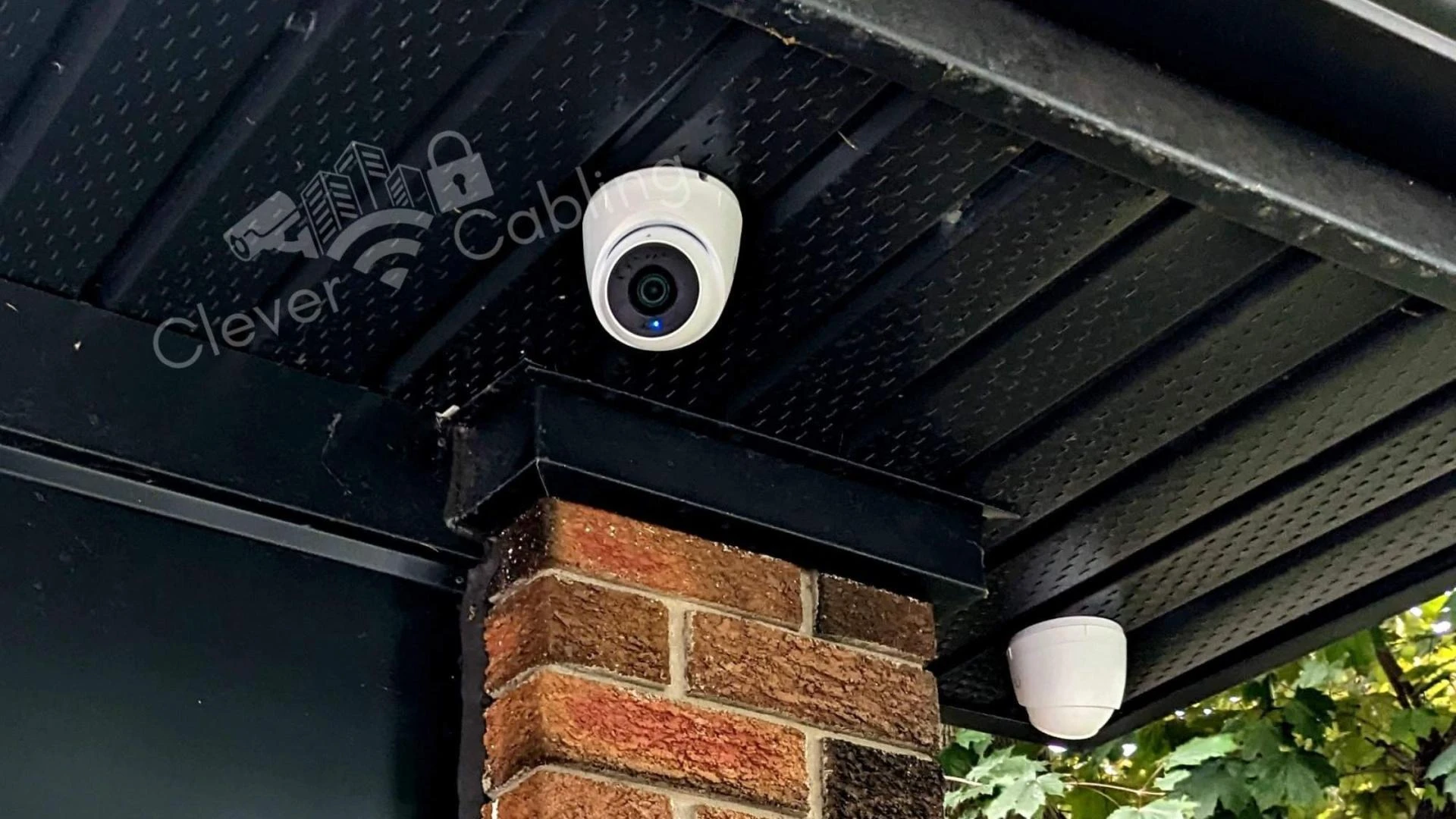
Mounting height plays a massive role in the quality of your footage. Placing cameras too high results in "bird’s eye" views that only show the tops of heads. Keeping them at a height of 10 to 15 feet offers a better angle for identification. Vandal-proof domes are a necessity in low-clearance areas. These housings prevent people from hitting the camera or shifting its direction. Proper lighting also assists the sensors. Even the best low-light cameras perform better when motion-activated LED floodlights illuminate the scene.
Integrating Intelligence and Video Analytics
Artificial intelligence has changed how large properties are managed. Monitoring a hundred screens at once is impossible for a human guard. AI software can flag unusual activity automatically. Line-crossing detection alerts the team if someone enters a restricted zone after hours. Loitering detection notifies management if a vehicle sits in the loading bay for too long. These tools turn a passive recording device into an active security partner. Searching through hours of footage becomes a task of seconds rather than days.
Smart systems can also integrate with access control. If a door is forced open, the nearest camera can automatically swivel to that location and start recording at maximum resolution. This creates a cohesive safety ecosystem. Working with a professional security camera installer ensures that these software features are calibrated correctly. Faulty settings lead to false alarms from shadows or rustling leaves. Expert calibration filters out the noise and focuses only on real threats. This precision saves time for security personnel and reduces the fatigue of constant notifications.
The Bottom Line
The complexity of a large facility demands a professional hand to ensure every inch is protected. Clever Cabling provides comprehensive solutions for organizations needing a reliable security camera installer. Their team handles the heavy lifting of network design, fiber optic splicing, and precise camera positioning. Relying on their expertise means your property benefits from the latest surveillance technology and a clean, organized installation. They focus on creating systems that are easy to manage and built to last in the local environment.
Choosing the right partner for security camera installation in Mississauga ensures that your facility remains a safe space for employees and assets. Clever Cabling prioritizes functional design and technical excellence in every project. Their approach eliminates the guesswork, providing you with a clear view of your entire operation from a single interface. Maintaining a secure environment starts with a solid foundation of high-quality hardware and expert setup.