In today’s fast-paced workplace environment, having up-to-date emergency response skills is more than just an advantage—it is often a requirement. One of the most widely requested qualifications across security and hospitality roles in Australia is CPR HLTAID009 certification. This nationally recognised unit equips workers with the skills to respond effectively in life-threatening situations such as cardiac arrest.
Whether you are entering the workforce or looking to advance your career, CPR training can significantly improve your employability in these high-responsibility industries.
Why CPR HLTAID009 Is Essential in the Workplace
Understanding the Importance of CPR Skills
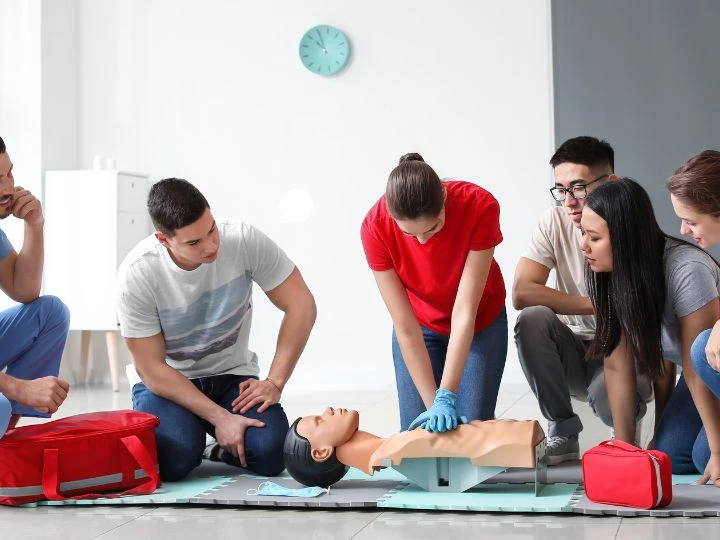
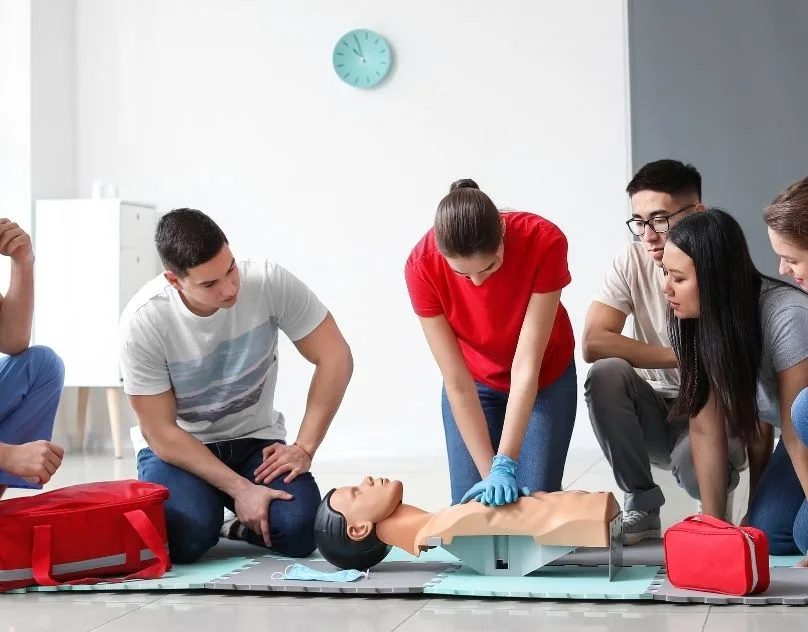
The CPR HLTAID009 course focuses on cardiopulmonary resuscitation techniques that can save lives before emergency services arrive. In industries where public interaction is constant, emergencies can happen at any time.
Employers prioritise candidates who can act quickly and confidently during critical situations. Having CPR certification shows that you are prepared, responsible, and capable of handling workplace emergencies.
Security Jobs That Require CPR Training
Security Officers and Crowd Controllers
Security professionals are often the first responders in emergencies at venues, events, and public spaces. Whether it is a nightclub, shopping centre, or concert, security officers must be ready to provide immediate assistance.
Most licensing authorities in Australia require security personnel to hold CPR HLTAID009 certification as part of their job readiness. This ensures they can assist with incidents such as sudden collapse, choking, or cardiac arrest.
Event Security Staff
Large-scale events involve thousands of attendees, increasing the risk of medical emergencies. Event security teams are expected to be CPR trained to maintain safety and respond effectively until medical professionals arrive.
Hospitality Jobs That Demand CPR Training
Hotel and Resort Staff
Hotels and resorts serve guests around the clock. Front desk staff, concierge teams, and supervisors are often required to hold CPR certification to ensure guest safety.
In high-end hospitality environments, employers value staff who can respond calmly during emergencies, reinforcing trust and professionalism.
Restaurant and Café Managers
While not every hospitality role requires CPR training, managers and senior staff in restaurants and cafés are often expected to complete HLTAID009 CPR training. This is especially important in busy venues where choking incidents or medical emergencies can occur.
Tourism and Recreation Staff
Tour guides, amusement park employees, and recreational activity leaders also benefit from CPR training. These roles involve working with the public in dynamic environments where quick emergency response is critical.
Career Benefits of CPR HLTAID009 Certification
Holding a valid CPR qualification can:
- Improve your chances of employment in competitive industries
- Meet mandatory workplace safety requirements
- Enhance your resume and professional credibility
- Prepare you to respond confidently in emergencies
Many employers view CPR certification as a minimum requirement rather than an added bonus, especially in frontline roles.
FAQs
What is CPR HLTAID009?
It is a nationally recognised unit of competency in Australia that teaches cardiopulmonary resuscitation techniques for emergency response.
How long does CPR certification last?
CPR HLTAID009 certification is typically valid for 12 months and must be renewed annually.
Is CPR training mandatory for security jobs?
Yes, most security roles in Australia require valid CPR certification as part of licensing and compliance requirements.
Can I work in hospitality without CPR training?
Some entry-level roles may not require it, but many employers prefer or require CPR certification, especially for supervisory positions.
How long does the course take?
The CPR HLTAID009 course can usually be completed in a few hours, making it quick and accessible for job seekers.
By completing CPR HLTAID009 training, you not only meet industry requirements but also position yourself as a valuable and safety-conscious employee in both security and hospitality sectors.