
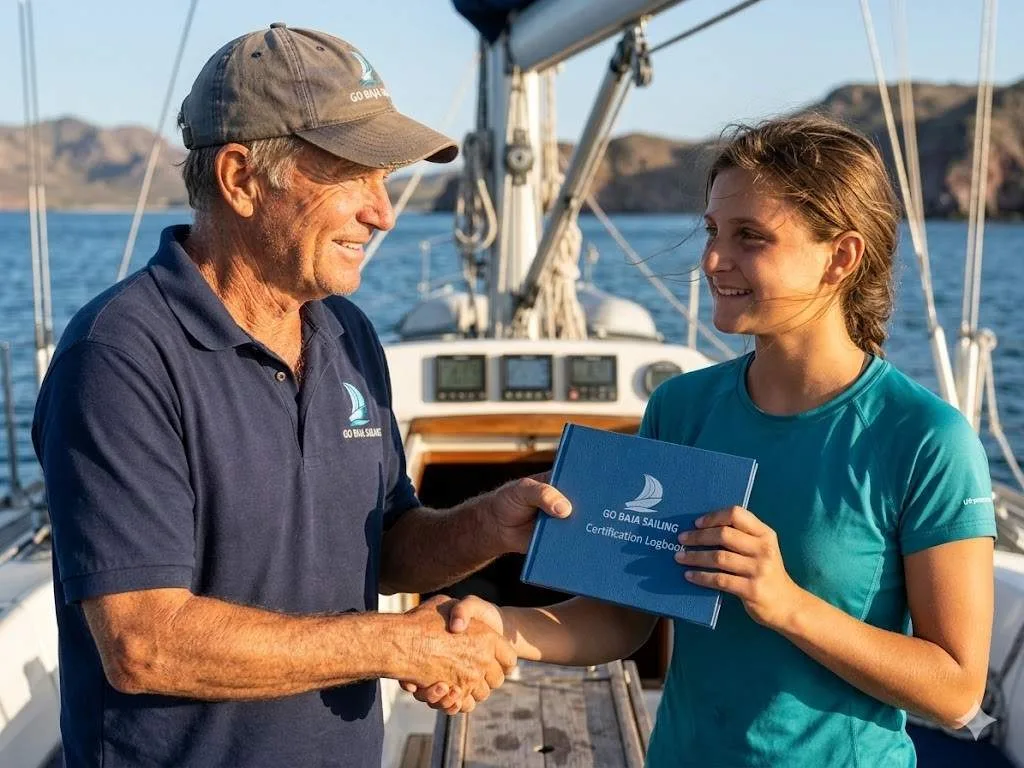
Learning to sail is about more than understanding wind direction or steering a boat. It requires practical experience, sound judgment, navigation skills, and the confidence to manage a vessel in changing conditions. For aspiring sailors exploring a Sea of Cortez Sailing Academy, choosing the right training program can make a significant difference in how effectively they develop these skills.
The Sea of Cortez, located between the Baja California Peninsula and mainland Mexico, offers an appealing environment for recreational sailing education. Its coastal landscapes, island anchorages, and varied sailing conditions create opportunities to learn essential seamanship while experiencing life aboard a cruising sailboat.
However, not every sailing school offers the same experience. Some focus on introductory lessons, while others provide structured certification programs and multi-day liveaboard training. Understanding these differences helps students select an educational experience that matches their long-term sailing goals.
What Is a Sea of Cortez Sailing Academy?
A Sea of Cortez Sailing Academy is a sailing education program or school that provides practical instruction in the waters of the Gulf of California. Depending on its curriculum, training may include sailing fundamentals, boat handling, navigation, anchoring, safety procedures, and internationally recognized sailing certifications.
Unlike a sightseeing excursion, a sailing academy focuses on developing skills that students can apply when operating recreational sailboats.
A structured sailing education program typically combines theoretical instruction with supervised practice aboard a cruising vessel.
Students may learn:
- Points of sail and wind awareness
- Sail handling and sail trim
- Steering and maintaining a course
- Tacking and jibing
- Anchoring and docking procedures
- Basic coastal navigation
- Marine safety and emergency procedures
- Crew communication and onboard responsibilities
The objective is to develop practical competence rather than simply introduce students to sailing terminology.
For beginners, this means understanding how a sailboat responds to wind and rudder input. More experienced students can progress toward navigation, coastal cruising, and independent boat handling.
Why Is the Sea of Cortez Suitable for Sailing Education?
The Sea of Cortez provides a combination of sheltered coastal areas, island destinations, and open-water passages that can support different types of sailing experiences. Its geography makes it possible to introduce students to practical cruising skills while experiencing the distinctive marine environment of Baja California Sur.
The region stretches along the eastern side of the Baja California Peninsula. La Paz is an important departure point for exploring nearby cruising grounds, including Isla Espíritu Santo and surrounding anchorages.
For sailing students, the region offers opportunities to understand:
Wind patterns: Learning how wind direction and strength influence sail selection, trim, and boat handling.
Navigation: Practicing chart reading, route planning, position awareness, and identifying potential hazards.
Anchoring: Understanding suitable anchoring locations, bottom conditions, scope, and vessel positioning.
Seamanship: Developing practical knowledge of onboard safety, equipment, communication, and crew coordination.
The learning environment also changes with the season. Wind conditions, visibility, and sea state should always be considered when planning a sailing itinerary.
A responsible sailing school evaluates weather conditions before departure and adapts its training activities accordingly.
What Is the Difference Between ASA Sailing Certification and Regular Sailing Lessons?
ASA sailing certification follows a structured educational framework established by the American Sailing Association. Regular sailing lessons may teach similar practical skills, but they do not automatically provide an ASA certification. Students interested in formal credentials should confirm that their course follows the relevant ASA standards and assessment requirements.
The American Sailing Association offers progressive certification levels designed to develop sailing knowledge and practical ability.
Some commonly pursued certifications include:
- ASA 101 – Basic Keelboat Sailing: Introduces fundamental sailing concepts and basic boat handling.
- ASA 103 – Basic Coastal Cruising: Develops skills for operating a cruising sailboat in coastal waters.
- ASA 104 – Bareboat Cruising: Focuses on managing and navigating a cruising sailboat independently.
- ASA 114 – Cruising Catamaran: Introduces the handling and operational characteristics of cruising catamarans.
Each certification has specific requirements and learning objectives. Students should check course prerequisites and assessment criteria before enrolling.
| Training option | Main objective | Best suited for |
|---|---|---|
| Introductory sailing lesson | Understand basic sailing | First-time sailors |
| Private instruction | Improve selected skills | Individual learners |
| ASA certification course | Follow a structured curriculum | Aspiring certified sailors |
| Liveaboard sailing course | Combine instruction with extended cruising | Beginners to intermediate students |
| Advanced sailing training | Develop specialized competencies | Experienced sailors |
The important distinction is that certification involves meeting defined standards, not simply completing a certain number of hours aboard a boat.
How Does a Liveaboard Sailing Course Work?
A liveaboard sailing course combines practical sailing instruction with accommodation aboard a cruising sailboat. Students spend several consecutive days on the vessel, participating in sailing activities, onboard routines, navigation exercises, and supervised boat handling.
This format offers an advantage over isolated lessons: students repeatedly encounter the practical responsibilities involved in managing a cruising sailboat.
A typical six-day, six-night liveaboard course may include the following activities:
Day 1: Arrival and orientation
Students meet their instructors, become familiar with the vessel, review safety equipment, and understand onboard procedures.
Day 2: Sailing fundamentals
Instruction focuses on points of sail, sail controls, steering, wind awareness, and basic maneuvering.
Day 3: Practical boat handling
Students practice tacking, jibing, sail adjustments, and maintaining a heading under instructor supervision.
Day 4: Navigation and anchoring
The curriculum progresses toward route planning, navigation awareness, anchoring techniques, and understanding coastal conditions.
Day 5: Integrated sailing practice
Students apply previously learned skills through longer sailing exercises and coordinated crew activities.
Day 6: Skills review
Instructors assess progress, reinforce important concepts, and review the skills required for the relevant certification level.
The precise itinerary depends on the course, weather, instructor, and student progress.
Why Choose an ASA Liveaboard Sailing School in La Paz?
La Paz offers access to the Sea of Cortez and nearby cruising destinations, making it a practical location for students seeking sailing instruction combined with an extended onboard experience. A school operating from this area can introduce learners to coastal cruising, island navigation, anchoring, and the daily routines of recreational sailing.
When comparing a Sea of Cortez Sailing Academy with other training options, location should be only one consideration.
Students should also evaluate the instructor's qualifications, vessel suitability, curriculum, class size, and practical training opportunities.
La Paz provides access to destinations such as:
- Isla Espíritu Santo
- Balandra Bay
- Nearby protected anchorages
- Coastal cruising routes around Baja California Sur
These locations provide a setting for learning about route planning, environmental awareness, and responsible anchoring.
An additional advantage of a liveaboard program is the opportunity to understand how different aspects of sailing work together. Navigation, sail handling, provisioning, safety, and crew communication are interconnected responsibilities aboard a cruising vessel.
How Do You Choose the Right Sailing Academy?
Choosing a sailing school requires more than comparing course prices or looking at photographs of its boats. The right program should clearly explain what students will learn, who will teach them, which vessel they will use, and whether the course leads to a recognized certification.
Before booking, consider these important factors:
1. Instructor credentials
Ask about the instructor's qualifications, relevant ASA instructor credentials, practical experience, and teaching approach.
2. Certification pathway
Confirm the exact ASA course offered, prerequisites, practical assessments, and certification requirements.
3. Vessel condition and suitability
Find out whether instruction takes place aboard a monohull or catamaran. Both have different handling characteristics and operational considerations.
4. Student-to-instructor ratio
Smaller groups can provide more opportunities for individual practice, although the appropriate group size depends on the vessel and course.
5. Course inclusions
Check whether meals, accommodation, fuel, marina fees, safety equipment, and certification-related costs are included.
6. Weather and safety policies
Understand how the school handles unfavorable sailing conditions, itinerary changes, and emergency situations.
A useful question to ask is: Will I actively participate in sailing the boat, or will most of the experience involve observing the instructor?
The answer can reveal a great deal about the educational value of a program.
What Makes Go Baja Sailing Relevant to Sailing Students?
Go Baja Sailing provides ASA-focused sailing education from Marina Costa Baja in La Paz, Mexico. Its liveaboard programs combine structured sailing instruction with time aboard cruising sailboats, allowing students to develop practical skills while experiencing the Sea of Cortez.
Founded in 2010, the school offers monohull and catamaran training options designed around different stages of recreational sailing education.
Its course offerings include combinations of:
- ASA 101, 103, and 104
- ASA 114 Cruising Catamaran
- Private sailing instruction
- Additional intermediate and advanced ASA courses
The liveaboard format is particularly relevant to students who want more than short introductory lessons. Spending several days aboard provides opportunities to practice steering, sail handling, navigation, anchoring, and onboard teamwork.
The school also operates cruising vessels, including Lagoon and Fountaine Pajot catamarans and monohull sailboats. Vessel selection depends on the specific course and schedule.
For students comparing sailing schools, reviewing the actual curriculum and confirming which certifications are available for their chosen dates is an important step.
Is a Sailing Academy Worth It for Beginners?
A structured sailing academy can be worthwhile for beginners who want to develop practical skills under qualified supervision. Rather than learning through observation alone, students participate in sailing exercises, receive feedback, and gradually understand how different sailing techniques work together.
The value becomes particularly clear when comparing structured training with informal experience.
Someone who has spent time aboard a sailboat may recognize basic terminology but still lack confidence when adjusting sails, navigating, or managing anchoring procedures.
A well-organized course addresses these gaps through progressive instruction and repeated practice.
For aspiring recreational sailors, the goal should be to leave with a better understanding of the vessel, its equipment, and the responsibilities involved in safe sailing.
Frequently Asked Questions
1. Where can I learn sailing in the Sea of Cortez?
La Paz, Baja California Sur, is an established starting point for sailing education in the Sea of Cortez. Sailing schools operating from the area offer access to nearby cruising grounds, practical sailing instruction, and opportunities to pursue structured certification programs.
2. Do I need previous experience to join an ASA sailing course?
No. Introductory ASA courses are designed for students without previous sailing experience. More advanced certifications have specific prerequisites, so beginners should select an appropriate entry-level course before progressing to coastal or bareboat cruising.
3. What certifications can I earn through an ASA sailing school?
Depending on the school's approved courses and instructor qualifications, students may pursue ASA 101, 103, 104, 114, and other certifications. Each level has defined learning objectives and assessment requirements that must be satisfied.
4. How long does a liveaboard sailing course take?
Course duration varies by school and certification combination. Some immersive programs run for six days and six nights, providing repeated opportunities to practice sailing, navigation, anchoring, and onboard safety procedures.
5. Is catamaran sailing different from monohull sailing?
Yes. Catamarans have two hulls, generally offer a wider platform, and respond differently to wind and maneuvering forces than monohulls. Students should learn the specific handling characteristics of the vessel they intend to operate.
6. What is included in a liveaboard sailing course?
Inclusions vary, but programs may cover onboard accommodation, meals, sailing instruction, safety equipment, fuel, and marina fees. Students should request a written breakdown of costs and confirm whether ASA certification-related fees are included.
7. When is the best season for sailing in the Sea of Cortez?
The sailing season depends on weather patterns, wind conditions, and the planned route. Many sailing education programs in La Paz operate during the cooler-season months, commonly between October and May. Always confirm current operating dates and weather policies.
8. Can families participate in liveaboard sailing courses?
Families can participate when the program accommodates their ages, experience levels, and group requirements. Before booking, confirm sleeping arrangements, safety procedures, available cabin space, and whether the course structure is appropriate for every participant.
9. What should I look for in a certified sailing instructor?
Look for relevant ASA instructor credentials, practical cruising experience, clear communication, and a structured teaching approach. A qualified instructor should explain course objectives, demonstrate techniques, supervise practical exercises, and assess student progress against the applicable standards.
Final Thoughts
Learning to sail requires a combination of technical knowledge, practical experience, and sound decision-making. The Sea of Cortez offers an opportunity to develop these abilities in a distinctive cruising environment, particularly for students interested in progressing beyond introductory sailing experiences.
When evaluating a Sea of Cortez Sailing Academy, prioritize recognized instruction, qualified instructors, suitable vessels, practical participation, and a clearly defined certification pathway.
For aspiring and recreational sailors, a structured liveaboard program can provide a valuable introduction to the responsibilities and rewards of cruising.
Exploring the ASA sailing programs offered by Go Baja Sailing in La Paz is one way to understand how formal sailing education and an immersive Baja experience can come together.