Sciatica is one of the most common causes of radiating leg pain, yet many patients assume that surgery is the only permanent solution. In reality, the majority of sciatica cases can be successfully managed without major surgical intervention.
A qualified Spine Specialist Doctor approaches sciatica with a conservative-first strategy. The primary goal is to accurately diagnose the cause of nerve compression and implement targeted, evidence-based non-surgical treatments before considering operative procedures.
What Exactly Is Sciatica?
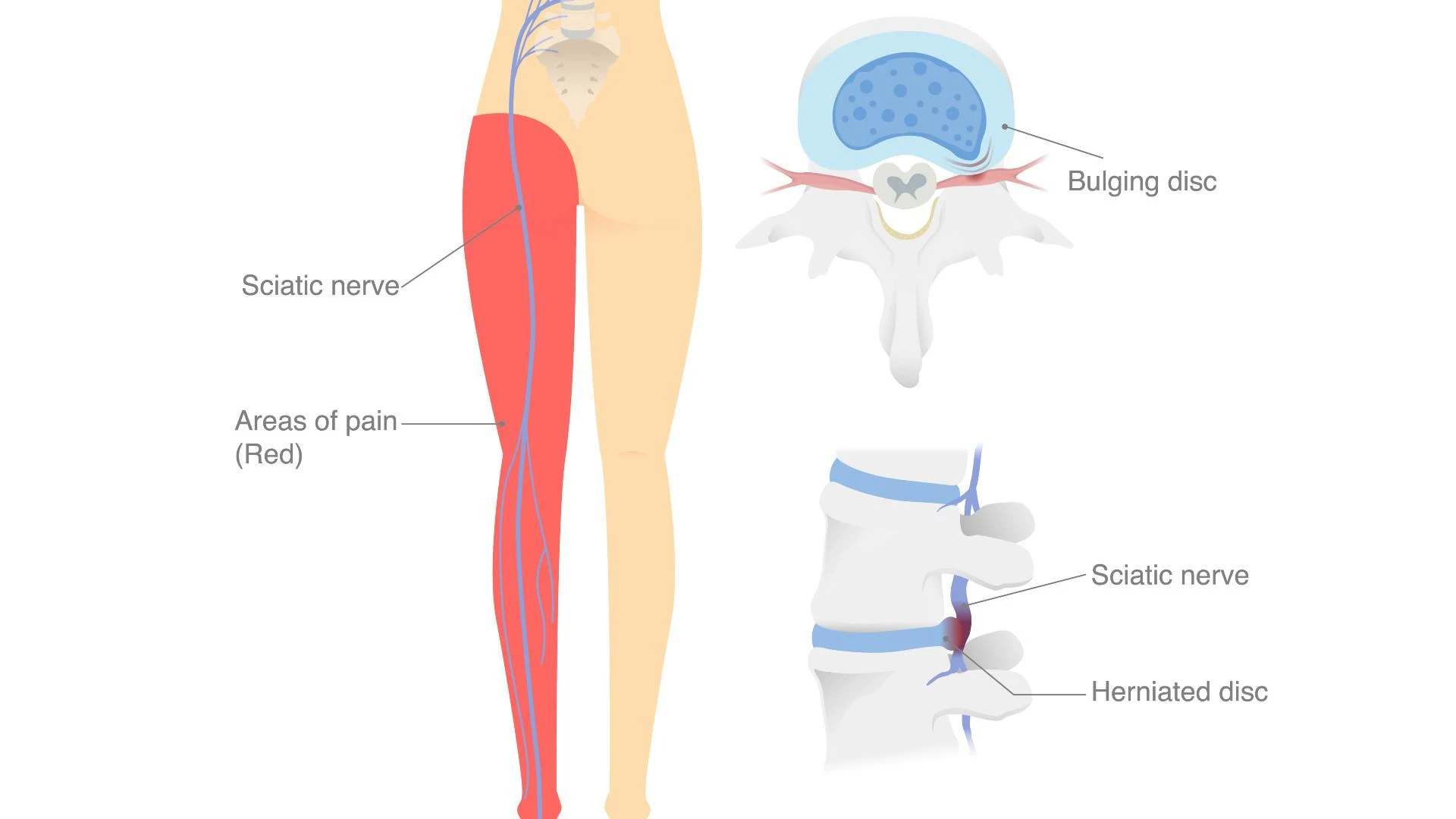
Sciatica occurs when the sciatic nerve — the largest nerve in the body — becomes compressed or irritated, typically at the lumbar spine level.
The most frequent causes include:
- Lumbar disc herniation
- Spinal stenosis
- Degenerative disc disease
- Facet joint arthritis
- Muscle-related nerve compression
Common Symptoms
Patients typically report:
- Sharp, shooting pain radiating down one leg
- Tingling or numbness
- Muscle weakness
- Pain worsening with prolonged sitting
A detailed physical examination combined with MRI imaging allows precise identification of the affected nerve root. Treating the root cause is critical for long-term success.
Why Major Surgery Is Often Not Necessary
Clinical research indicates that nearly 80–90% of sciatica patients improve with structured conservative care within weeks to a few months.
Surgery is usually reserved for specific red-flag situations, such as:
- Progressive neurological weakness
- Loss of bowel or bladder control
- Severe, persistent pain not responding to treatment
An experienced Best Spine Surgeon in Gujarat understands that surgery should be the final option — not the starting point. Preserving natural spinal anatomy whenever possible leads to better long-term outcomes.
Recommended Non-Surgical Treatment Strategies
1. Structured Physical Therapy
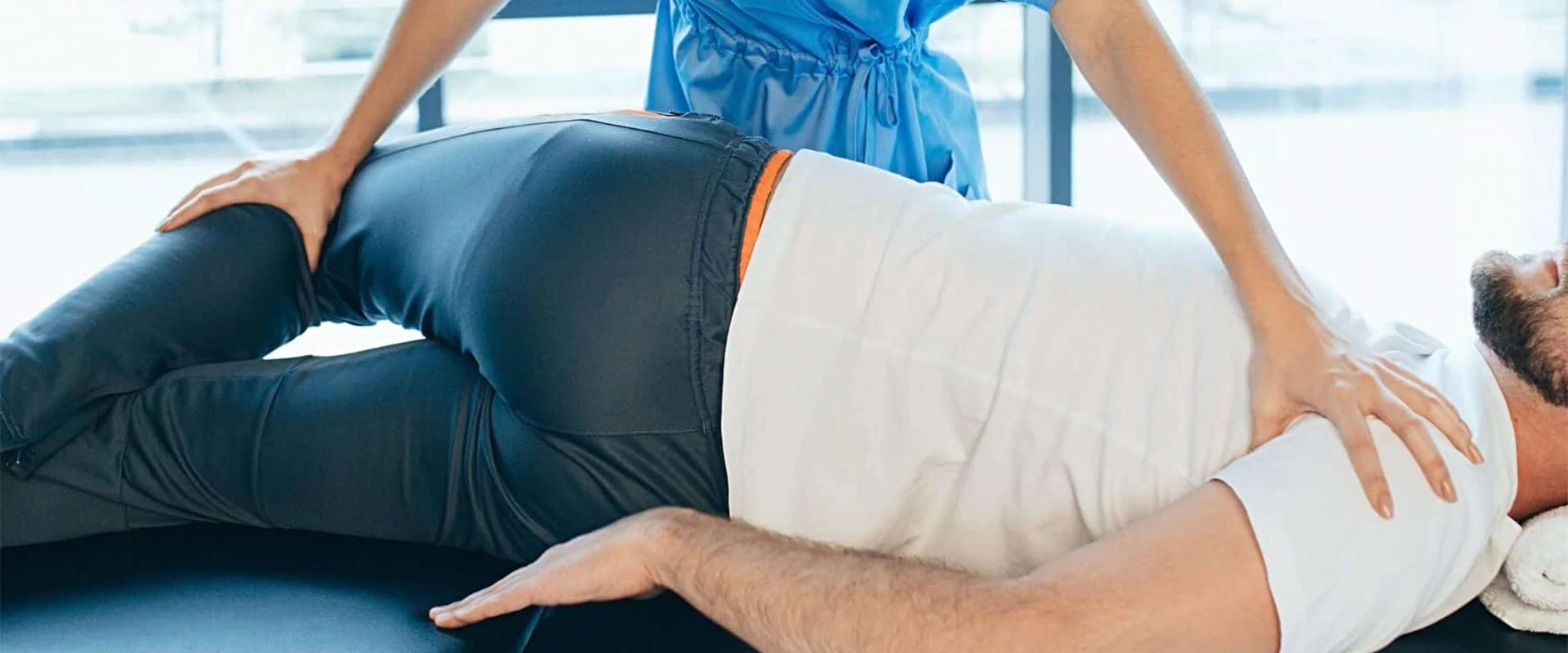
Rehabilitation forms the foundation of sciatica treatment. A tailored program focuses on:
- Reducing nerve root compression
- Strengthening core stabilizing muscles
- Improving posture and spinal mechanics
- Preventing recurrence
Many patients experience noticeable improvement within 4–6 weeks.
2. Precision-Guided Pain Management
When inflammation is significant, targeted pain management may include:
- Anti-inflammatory medications
- Muscle relaxants
- Image-guided epidural steroid injections
- Selective nerve root blocks
These interventions reduce inflammation around the affected nerve, enabling functional recovery.
3. Advanced Non-Surgical Procedures
For patients who do not respond adequately to initial therapy, advanced options may include:
- Spinal decompression therapy
- Radiofrequency ablation
- Regenerative treatments such as PRP therapy
These minimally invasive techniques relieve nerve irritation without the trauma associated with open surgery.
4. Lifestyle and Preventive Spine Care
Long-term recovery depends on sustainable changes:
- Ergonomic workstation adjustments
- Proper sitting posture
- Weight management
- Guided home exercise programs
Preventing recurrence is just as important as resolving current symptoms.
When Should You Seek Expert Evaluation?
Prompt consultation is recommended if you experience:
- Pain lasting longer than 2–3 weeks
- Increasing leg weakness
- Severe numbness
- Difficulty walking
- Bowel or bladder disturbances
Early diagnosis significantly improves outcomes and reduces complications.
Final Thoughts
Sciatica does not automatically require major surgery. With accurate diagnosis, structured rehabilitation, and modern minimally invasive interventions, most patients recover successfully through conservative care.
If you are experiencing persistent back or leg pain, seeking early evaluation can prevent progression and accelerate recovery. The right treatment plan — guided by expertise — makes all the difference.