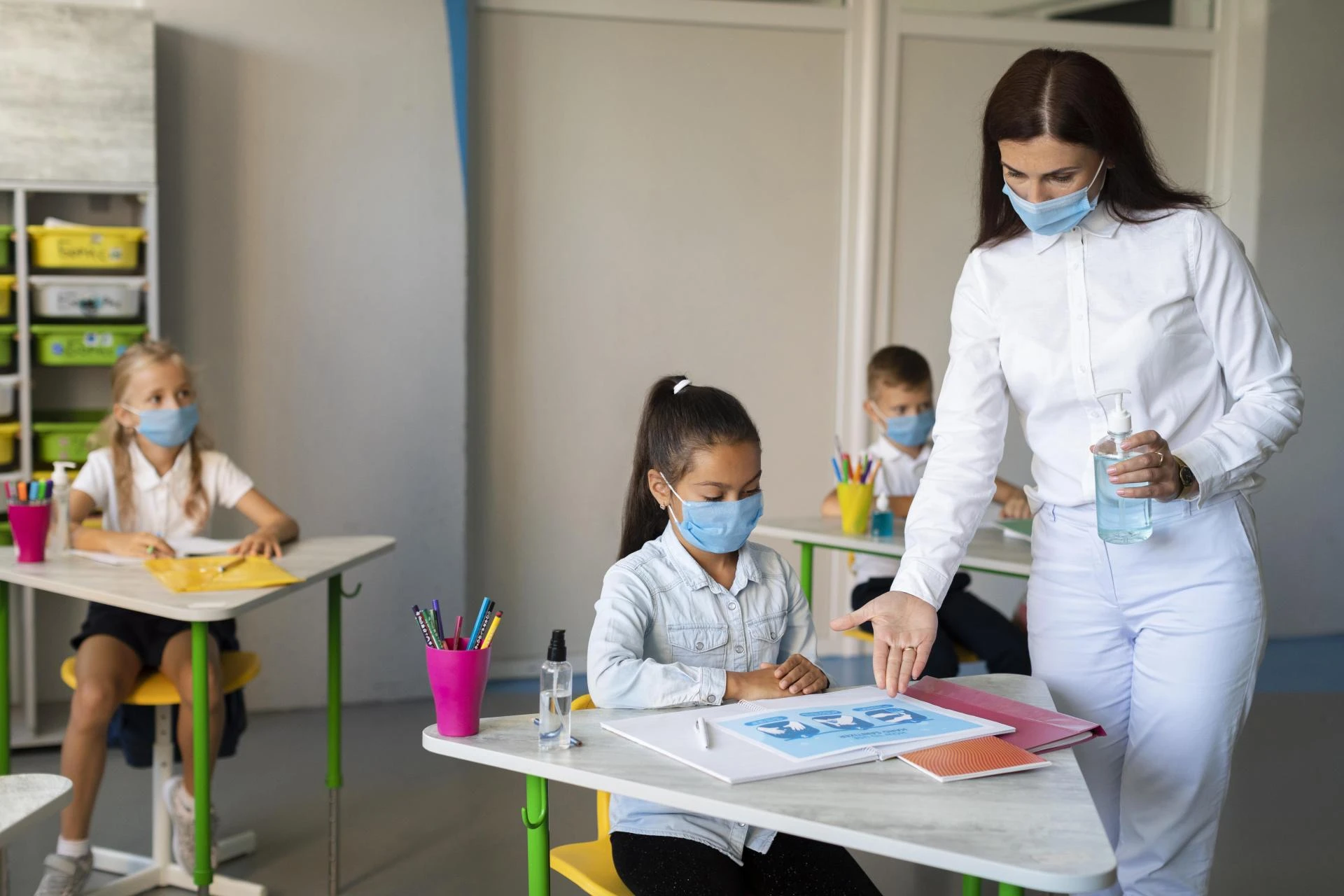
In today’s fast-paced world, parents are increasingly prioritizing not only academic excellence but also the health and well-being of their children. Schools with medical facilities have emerged as a vital solution, offering a safe and supportive environment where students can learn, grow, and thrive without compromising their health. These institutions understand that a child’s physical and mental wellness plays a crucial role in their overall development and academic success.
The Importance of Medical Facilities in Schools
Having medical facilities within school premises ensures immediate attention during emergencies. Whether it’s a minor injury on the playground, sudden illness, or a chronic health condition, access to healthcare professionals can make a significant difference. Quick medical response reduces risks, prevents complications, and provides peace of mind to both parents and staff.
Moreover, children spend a significant portion of their day at school, making it essential for institutions to be equipped to handle health-related concerns. Schools with medical facilities are better prepared to manage allergies, asthma, diabetes, and other common conditions among students. This proactive approach ensures that no child’s education is disrupted due to health issues.
Features of Schools with Medical Facilities
Schools that prioritize healthcare often include well-equipped infirmaries staffed with trained nurses or doctors. These facilities typically have first-aid equipment, basic medicines, and sometimes even advanced medical tools for handling emergencies. Regular health check-ups are also conducted to monitor students’ physical development and detect potential issues early.
On-Campus Medical Staff
Qualified healthcare professionals, including nurses and visiting doctors, are an integral part of such schools. They not only provide immediate care but also educate students about hygiene, nutrition, and preventive healthcare practices. Their presence ensures continuous monitoring of students’ health.
Emergency Response Systems
Schools with medical facilities often have tie-ups with nearby hospitals for quick referrals during serious situations. Ambulance services, emergency protocols, and trained staff further enhance the safety net for students.
Mental Health Support
Modern educational institutions are increasingly recognizing the importance of mental health. Many schools now include counselors and psychologists as part of their medical facilities. These professionals help students cope with stress, anxiety, and emotional challenges, ensuring a balanced and healthy mindset.
Benefits for Students and Parents
The presence of medical facilities in schools builds trust among parents, knowing their children are in a safe environment. It also allows students to focus better on their studies without worrying about health issues. For students with special medical needs, such schools provide an inclusive environment where they receive proper care and attention.
Additionally, health education becomes a part of everyday learning. Students develop awareness about personal hygiene, nutrition, and healthy lifestyles, which benefits them throughout their lives.
The Role of Technology in School Healthcare
With advancements in technology, many schools are integrating digital health records, telemedicine, and health monitoring systems. These innovations allow for better tracking of students’ health history and quick consultations with specialists when needed. Parents can also stay informed about their child’s health status through digital platforms.
Choosing the Right School
When selecting a school, parents should consider the quality and availability of medical facilities. Key factors include the presence of trained medical staff, availability of emergency services, regular health check-ups, and mental health support. Visiting the school and understanding their healthcare policies can provide valuable insights.
Conclusion
Schools with medical facilities are redefining the concept of holistic education by placing equal emphasis on health and academics. By ensuring immediate medical care, promoting preventive health practices, and supporting mental well-being, these institutions create a secure and nurturing environment for students. As awareness grows, more schools are adopting comprehensive healthcare systems, making them a preferred choice for parents who value both education and well-being.