
Introduction
In modern dental implant treatment, precision is very important. Dentists need the right tools to prepare the bone properly so that implants can be placed safely and successfully. One of the important tools used today is the scallop shaped drill. These drills are specially designed to match the natural contour of the bone and soft tissue. Because of their unique design, they help improve accuracy, reduce trauma, and support better healing.
In this article, we will explain scallop shaped drills in simple and easy language. You will learn what they are, how they work, and why they are important in implant dentistry
What Are Scallop Shaped Drills?
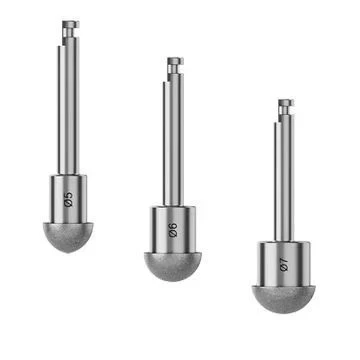
Scallop shaped drills are dental implant drills designed with a curved or scalloped edge. The word “scallop” means a curved shape, similar to a wave pattern. This shape allows the drill to follow the natural curve of the gum line and bone.
Unlike regular straight drills, scallop shaped drills are created to preserve the natural bone structure around teeth and implants. They are often used in advanced implant procedures where aesthetics and bone preservation are very important.
Why Are They Used in Implant Dentistry?
Dental implants must be placed carefully into the jawbone. If too much bone is removed, it can affect the stability of the implant. If the bone is not shaped correctly, it may also affect how the final tooth looks.
Scallop shaped drills are used because they:
- Preserve natural bone structure
- Follow the natural scalloped shape of the gum line
- Reduce unnecessary bone removal
- Improve implant positioning
- Support better esthetic results
This makes them especially helpful in the front teeth area, where appearance matters a lot.
How Do Scallop Shaped Drills Work?
The design of scallop shaped drills allows them to cut bone in a controlled and gentle way. The curved edges help create a bone contour that matches the natural anatomy of the patient.
During implant surgery, the dentist uses a sequence of drills. The scallop shaped drill is used at a specific stage to refine the bone shape. It helps create a precise osteotomy (implant site preparation) that supports proper implant placement.
Because the drill matches the natural bone shape, it reduces stress on surrounding tissues. This can lead to:
- Less trauma
- Better blood supply
- Faster healing
- Improved long-term stability
Benefits of Scallop Shaped Drills
1. Better Esthetic Results
One of the biggest advantages of scallop shaped drills is improved appearance. The natural curve of the bone supports the gum tissue better. This helps create a more natural-looking smile after implant placement.
In cosmetic cases, especially in the front teeth area, this benefit is very important.
2. Bone Preservation
Preserving bone is essential for implant success. These drills remove only the necessary amount of bone. This helps maintain bone strength and density.
Strong bone support increases the chances of long-term implant stability.
3. Improved Surgical Control
Scallop shaped drills provide better control during surgery. The design helps guide the drill along the natural anatomy. This reduces the risk of over-preparation.
Better control means safer and more predictable results.
4. Enhanced Healing
Because the drill reduces trauma and protects surrounding bone, healing can be smoother. When the bone and soft tissue remain healthy, osseointegration (the process where the implant bonds with bone) improves.
When Are Scallop Shaped Drills Most Useful?
These drills are commonly used in:
- Immediate implant placement
- Esthetic zone implants (front teeth)
- Bone contouring procedures
- Cases requiring precise bone shaping
They are especially helpful when maintaining the natural gum architecture is important.
Comparison with Traditional Drills
Traditional implant drills are usually straight and cylindrical. While they are effective, they may not always match the natural scalloped contour of the bone.
Scallop shaped drills offer:
- More anatomical preparation
- Less unnecessary bone removal
- Improved soft tissue support
However, they require proper training and experience. Dentists must understand when and how to use them for best results.
Importance of Proper Technique
Even though scallop shaped drills are advanced tools, success still depends on the dentist’s skill. Proper planning, correct drilling speed, and controlled pressure are essential.
Digital imaging and guided surgery techniques can further improve accuracy. When combined with careful planning, scallop shaped drills become even more effective.
Are Scallop Shaped Drills Safe?
Yes, they are safe when used correctly by trained professionals. They are designed to improve safety by reducing excessive bone removal and maintaining natural contours.
Like all dental tools, they must be sterilized properly and used according to clinical guidelines.
Future of Scallop Shaped Drills in Implant Dentistry
Dental technology continues to improve. Today, implant dentistry focuses not only on function but also on aesthetics and patient comfort.
Scallop shaped drills represent this modern approach. They combine precision, conservation, and esthetics in one tool. As techniques become more advanced, these drills may become more commonly used in everyday implant practice.
Conclusion
Scallop shaped drills are an important innovation in modern dental implant procedures. Their curved design follows the natural shape of the bone and gum line, helping dentists achieve precise and aesthetic results.
They preserve bone, improve surgical control, and support better healing. Especially in cases where appearance is important, these drills offer clear advantages over traditional tools.
With proper training and careful planning, scallop shaped drills can greatly enhance the success and quality of implant treatment. They are a valuable tool in achieving strong, stable, and natural-looking dental implants.