
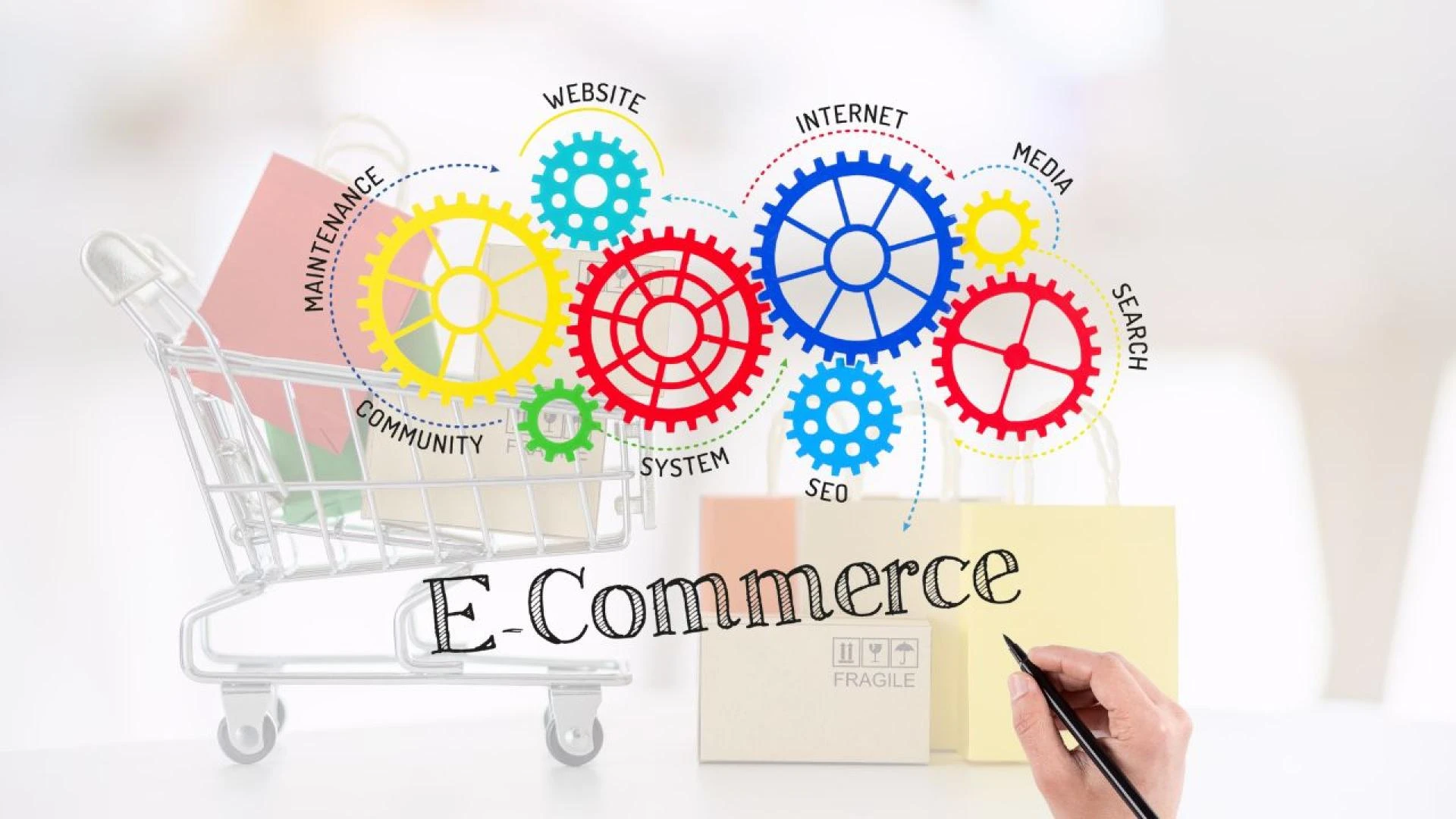
If you want your business to grow, your website is more than just a digital storefront—it’s the backbone of your operations. E-commerce website development isn’t just about having a website; it’s about building a flexible platform that can grow as your business grows. Whether you’re starting out or already established, having a scalable website ensures your site can handle more products, more traffic, and more customers without slowing down.
Why Omnichannel Selling Matters
Today’s customers expect smooth shopping experiences across all platforms—whether it’s your website, a mobile app, social media, or even a physical store. This is called omnichannel selling, and your website needs to support it.
For example: a customer might browse products on their phone, buy through social media, and track orders on your website. If your website integrates seamlessly with other platforms, customers get a better experience—and your business benefits from increased engagement and sales.
Scalable Website Infrastructure Supports Growth
Think of your website like a building. If it’s built for expansion, you can add more products, features, and tools as your business grows without starting from scratch. A scalable website infrastructure ensures your site handles traffic spikes, especially during busy seasons or special campaigns. This flexibility allows you to continuously improve your website and meet your customers’ needs.
Benefits of Cloud-Based Solutions
Using cloud-based hosting makes your e-commerce site more reliable, secure, and easy to scale. Cloud solutions let you store large amounts of data, upgrade resources as needed, and pay only for what you use. This is cost-effective and ensures your website can grow alongside your business without downtime or performance issues.
Future Trends in E-Commerce Web Development
E-commerce web development is constantly evolving. Here’s what you should expect in the near future:
- Personalized Experiences: AI and machine learning will allow your website to recommend products and offers tailored to each customer.
- Voice Search: With smart speakers and voice assistants growing in use, your website will need to adapt for voice search.
- Augmented Reality (AR): AR can let customers virtually try products or see how they fit in their space, creating an engaging shopping experience.
To stay competitive, your website should focus on speed, user experience, and adaptability. The better your site adapts to new technologies and customer expectations, the more your business can grow.