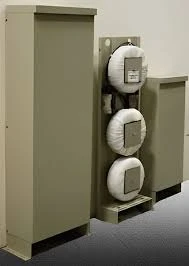
In modern electrical systems, the low voltage distribution transformer plays a critical role in efficiently delivering power to end-users. As networks expand, choosing transformers that can scale with demand ensures reliability and cost-effectiveness. This article examines the essential factors and solutions that make these transformers ideal for evolving infrastructures.
Understanding the Role of Low Voltage Transformers in Expanding Networks
Low voltage transformers are designed to step down voltage for safe and practical distribution to homes, businesses, and industries. Their adaptability directly impacts how well a network can handle increased load without interruptions or costly upgrades. Choosing the right design allows power systems to maintain stability and avoid overloads as user demands grow.
These transformers operate at the final stage of power delivery, making their performance critical for smooth and consistent energy supply. Networks experiencing growth due to urban development, industrial expansion, or increased consumer use require transformers capable of handling fluctuating and higher loads. This makes the selection process highly strategic to avoid underperformance.
Design Features That Support Network Expansion
To support scalability, transformers must incorporate features such as modular construction and robust insulation. Modular units can be added or upgraded without disrupting service, reducing downtime. High-quality insulation ensures longer lifespan and safe operation under varying load conditions, which is crucial for maintaining system integrity as the network expands.
Robust design elements, including enhanced cooling systems and sturdy casings, help transformers withstand environmental and electrical stresses over time. This ensures that transformers can operate reliably even under heavy demand or challenging conditions. Such features reduce maintenance frequency and extend operational life, critical in large, growing networks.
Material Selection and Efficiency Considerations
Transformer cores made of grain-oriented silicon steel reduce core losses and improve efficiency. Copper or aluminum windings are selected based on conductivity and cost factors. Selecting materials that optimize performance while controlling costs helps network operators deliver reliable power without excessive energy waste.
Material quality directly affects transformer efficiency, heat dissipation, and durability. Efficient transformers not only lower energy losses but also reduce operational costs by limiting heat generation and wear. Proper material selection balances initial investment with long-term benefits, especially important as network capacity requirements increase.
Installation Flexibility for Diverse Applications
Modern transformers offer flexible mounting and cooling options. Dry-type and oil-filled transformers provide choices suitable for indoor or outdoor installations, depending on site conditions. Flexible installation solutions enable easier integration into existing systems and allow network planners to adapt to geographical or structural constraints.
Mounting options like pole-mounted, pad-mounted, or vault installations ensure compatibility with various environments, including urban areas or industrial complexes. This flexibility allows utility providers and engineers to plan expansions with minimal disruption and maximum efficiency, catering to the unique needs of each network segment.
Maintenance Practices That Ensure Long-Term Performance
Routine inspections and testing extend transformer life and reduce unexpected failures. Simple procedures like thermal imaging and insulation resistance testing help identify early signs of wear or faults. A proactive maintenance schedule is essential for scalable networks, preventing costly outages and preserving service quality.
Scheduled maintenance minimizes downtime and enhances system reliability by addressing potential issues before they escalate. Keeping detailed records and applying predictive analytics can further optimize maintenance intervals, ensuring transformers consistently perform at peak levels even as networks expand.
Innovations Driving Next-Gen Transformer Solutions
Advances in smart monitoring systems enable real-time tracking of transformer health and load conditions. These technologies allow operators to anticipate problems and adjust operations proactively. Smart features facilitate seamless network expansion by minimizing manual intervention and enhancing system responsiveness.
Integrated sensors and IoT-enabled devices provide continuous feedback on temperature, voltage, and other critical parameters. This data supports faster decision-making and enables adaptive load management, which is vital for modern grids facing unpredictable demand patterns and the integration of distributed energy resources.
Impact on Network Reliability and Customer Satisfaction
Reliable voltage distribution translates into fewer service interruptions and stable power quality. For utilities and end-users, this means better equipment performance and reduced risk of damage. Scalable transformer solutions support growing networks by maintaining consistent service levels, contributing to higher customer satisfaction.
Networks that can adapt to increasing loads without sacrificing quality foster trust and reduce complaints. Consistency in power supply enhances the operational efficiency of industries and comfort for residential users, making scalability not just a technical need but a customer experience priority.
Planning for Future Growth with Scalable Systems
Selecting transformers with upgrade paths and scalable configurations allows networks to meet future demands without large initial investments. Forward-thinking design and procurement strategies reduce the need for frequent replacements and support smooth growth over time.
Designing systems with flexibility in mind helps utilities avoid costly overhauls. By investing in transformers that can easily handle added capacity or be integrated into broader smart grid initiatives, network operators safeguard their infrastructure against obsolescence.
In The End:
Scalable low voltage distribution transformer systems offer network operators the flexibility and reliability necessary for growing power grids. Incorporating advanced materials, adaptable designs, and smart monitoring delivers a balanced approach to current needs and future expansion. Choosing the right solutions ensures efficient power delivery and positions networks for success.