Every second counts in an emergency, and when a child is involved, the stakes can be even higher. From choking incidents at dinner to sudden cardiac events on the soccer field, pediatric emergencies can unfold in places where trained medical help isn’t immediately available. While many people associate pediatric CPR training with teachers, childcare workers, and babysitters, the truth is: anyone who spends time with kids should be prepared.
This blog explores why Heartsaver Pediatric First Aid CPR AED training isn’t just for professionals, but for everyday heroes—grandparents, PTA members, school volunteers, and coaches—who are often the first to respond.
What Is Pediatric CPR and First Aid Training?
Heartsaver Pediatric First Aid CPR AED is a comprehensive course designed by the American Heart Association to teach life-saving skills for infants and children. It includes:
● Recognizing and responding to breathing or cardiac emergencies
● Handling injuries and illnesses in children
● Using an Automated External Defibrillator (AED)
● Managing choking situations
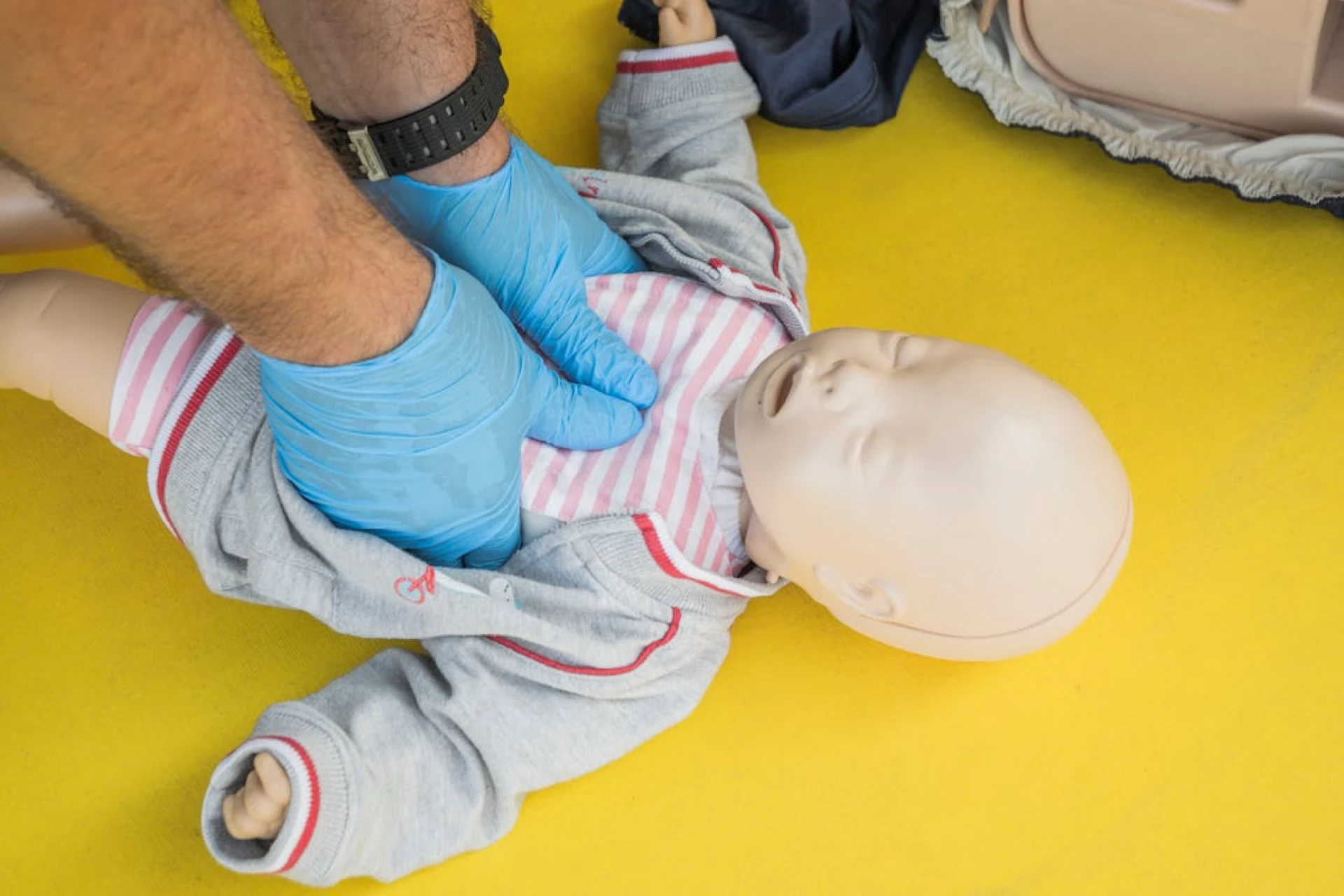
● Providing effective CPR for infants and children
The course is designed for non-medical professionals, making it an ideal fit for caregivers and volunteers who don’t work in healthcare but are around children frequently.

Who Should Take This Course (Besides Babysitters, Parents, and Teachers)?
The need for pediatric CPR training goes far beyond the classroom or daycare center. Below are just a few groups who benefit immensely from having this certification:
1. Grandparents and Extended Family
With more households turning to family members for child care, grandparents are often first responders during emergencies. Pediatric CPR training empowers them to act quickly and confidently when it matters most—whether it's a toddler choking on a snack or a fall at the playground.
2. Sports Coaches and Activity Instructors
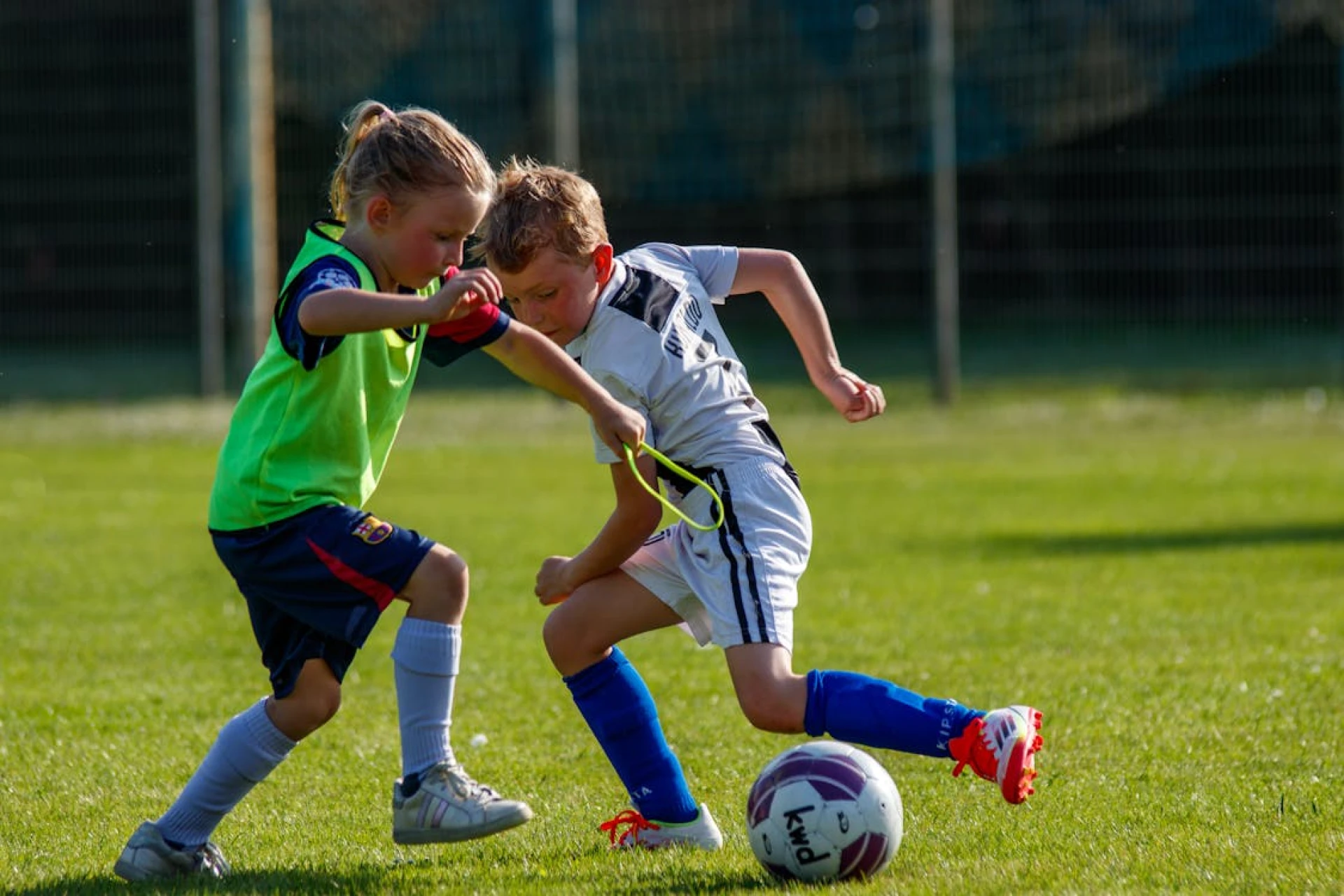
Recreational sports like soccer, baseball, and gymnastics come with their share of risks. Coaches and instructors who are trained in pediatric CPR are better prepared for heat exhaustion, asthma attacks, concussions, or sudden collapse. Having trained personnel on the field could make the difference between life and tragedy.
3. PTA Volunteers and School Event Chaperones
PTA members and parent chaperones often supervise kids during school fairs, field trips, and fundraisers—events that don’t always have nurses on site. Pediatric CPR training gives volunteers the confidence and skill set to handle minor injuries or major emergencies until professional help arrives.
4. School Bus Drivers and Crossing Guards
These roles might not fall under traditional education staff, but they are on the front lines of child safety. With long routes and limited supervision, a bus driver’s ability to respond quickly to seizures, allergic reactions, or airway blockages can be life-saving.
5. Nannies, Tutors, and In-Home Caregivers
Even part-time caregivers who only spend a few hours a week with children should be trained. Emergencies don’t check the calendar; having certification ensures that caregivers are never caught off guard.
Why Local Training Access Matters
If you're located in or around Bucks County or Philadelphia, getting certified through a reputable, local provider ensures you receive high-quality instruction that meets both national standards and local emergency protocols.
CPR and BLS Training Institute’s Heartsaver Pediatric First Aid CPR AED course is specifically designed to fit the needs of non-medical professionals, combining hands-on practice with flexible scheduling. Whether you're in Montgomery County, Northeast Philly, or nearby suburbs, you'll find accessible training options, including online training, without needing to travel far.
The Confidence to Act
One of the greatest benefits of pediatric CPR training is peace of mind. Emergencies are chaotic and emotionally charged, especially when children are involved. But trained individuals report feeling more composed and capable of taking action.
You’ll learn how to:
● Stay calm under pressure
● Use your surroundings (like an AED in a public location) effectively
● Communicate clearly with 911 operators and bystanders
● Prioritize care before EMS arrives
This training can turn panic into purpose and fear into focus.
Real-World Situations Where CPR Knowledge Helps
Still wondering if CPR training is worth it? Consider these scenarios:
● A grandparent watches their grandchild choke on a piece of fruit
● A youth basketball player collapses mid-game
● A chaperone notices a child struggling to breathe during a school carnival
● A babysitter finds an infant unresponsive after a nap
In all of these cases, having someone nearby with pediatric CPR training could mean the difference between life and loss.
CPR Certification as a Community Standard
Communities are safest when more people are trained. Pediatric CPR and First Aid training is more than a checkbox; it’s a commitment to protect the most vulnerable among us. By getting certified, you’re not just preparing yourself; you’re strengthening your entire network of care.
Encourage your local PTA, youth sports teams, and family members to enroll. Many community-based training centers also offer group sessions, weekend options, and online classes for maximum convenience.
Get Certified Today with the CPR and BLS Training Institute
Looking for CPR classes near you? CPR and BLS Training Institute’s Heartsaver Pediatric First Aid CPR AED course is available across Philadelphia, Bucks County, and surrounding areas. With experienced instructors and flexible options, they make it easy for caregivers and community members to gain the confidence and skills they need.
Don’t wait for an emergency to realize you're unprepared. Get trained, stay ready, and help save lives, starting with the little ones. Sign up here to enroll now.