
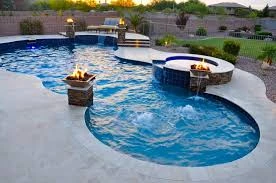
A backyard pool is a source of joy, relaxation, and fun—but it doesn’t have to come at the cost of high energy bills or environmental guilt. With smart upgrades, you can reduce your pool’s environmental footprint and your monthly expenses. Whether you're building a new pool or updating an existing one, here are the best eco-friendly pool upgrades that deliver both sustainability and savings.
1. Energy-Efficient Pool Pumps
Why It Matters:
Pool pumps circulate water through the filtration and heating systems, and traditional single-speed pumps can be major energy hogs.
The Upgrade:
Variable-speed pool pumps are the eco-champions of pool maintenance. They allow you to adjust the speed for different tasks, consuming up to 80% less energy than single-speed models.
Bonus:
Many regions offer rebates for installing ENERGY STAR® certified pool pumps, adding to your savings.
2. Solar Pool Heating
Why It Matters:
Heating a pool with gas or electric heaters is one of the biggest energy expenses for pool owners.
The Upgrade:
Solar pool heating systems use panels (usually installed on your roof) to harness the sun’s free energy. While the upfront cost is higher, the system often pays for itself in 3 to 5 years.
Bonus:
Solar heaters require little maintenance and can extend your swim season by several months.
3. LED Pool Lighting
Why It Matters:
Traditional halogen pool lights are inefficient, hot, and short-lived.
The Upgrade:
LED lights use up to 90% less electricity and can last 20 to 30 times longer. Plus, they offer vibrant color options to enhance your pool’s ambiance.
Bonus:
Some smart LED systems can be controlled via apps, timers, or voice assistants.
4. Automated Pool Covers
Why It Matters:
Evaporation is the #1 cause of water loss in pools, and uncovered pools also lose heat rapidly.
The Upgrade:
Automatic pool covers conserve heat, reduce water evaporation by up to 90%, and keep debris out—meaning less work for your pump and filter.
Bonus:
They also add a layer of safety and can reduce chemical usage by keeping contaminants out.
5. Natural Pool Filtration Systems
Why It Matters:
Traditional chlorine-based systems can have environmental and health drawbacks.
The Upgrade:
Ozone, UV, or mineral sanitizers reduce the need for harsh chemicals while keeping the water clean. For a truly natural route, biofiltration pools (natural swimming pools) use plants and gravel beds to clean the water.
Bonus:
Your pool water will feel gentler on the skin and eyes, and you’ll minimize chemical storage and runoff.
6. Smart Pool Controllers
Why It Matters:
Over-running equipment wastes energy and chemicals.
The Upgrade:
Automated control systems allow you to schedule pumps, heaters, and lights, monitor chemical levels, and optimize performance from your smartphone.
Bonus:
Smart controllers help you identify inefficiencies and reduce maintenance costs over time.
7. Landscaping for Efficiency
Why It Matters:
The environment around your pool can affect evaporation, heating costs, and water usage.
The Upgrade:
Plant windbreaks like hedges or fences to reduce heat loss. Use drought-tolerant plants to reduce watering and avoid water-thirsty grass near the pool.
Bonus:
Native landscaping supports local biodiversity and enhances the natural beauty of your pool area.
Final Thoughts
Eco-friendly pools aren’t just a trend—they’re the future. By investing in sustainable upgrades, you’ll not only reduce your environmental impact but also cut ongoing costs and increase your home’s value. Whether you’re a seasoned pool owner or just diving into your first installation, making green choices is a win-win.