
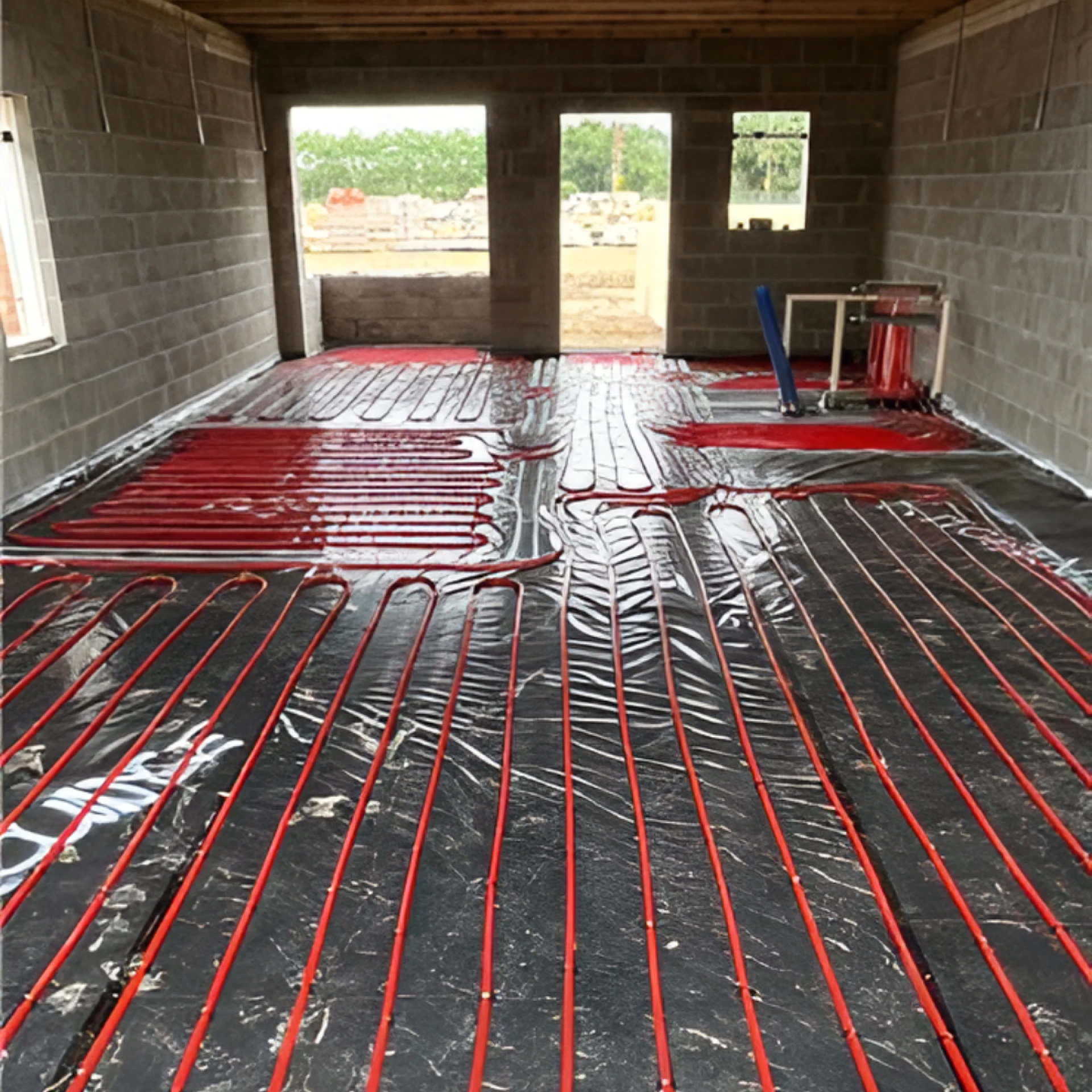
Energy efficiency has become a major priority for homeowners and property developers. Rising energy costs and growing environmental concerns are encouraging people to look for smarter heating solutions that reduce consumption without sacrificing comfort. Traditional heating systems, such as radiators, often heat rooms unevenly and require higher temperatures to maintain warmth. According to the Energy Saving Trust, efficient heating systems and proper insulation can significantly reduce household energy use and lower monthly utility bills.
One solution gaining popularity is underfloor heating installation, which provides a more efficient and comfortable way to heat indoor spaces. By distributing heat evenly from the floor upward, this system creates a consistent indoor temperature while using energy more effectively. When installed correctly, underfloor heating can improve comfort, enhance property value, and reduce long-term heating costs.
Understanding How Underfloor Heating Works
Underfloor heating is designed to provide warmth through pipes or electrical heating elements installed beneath the floor surface. Instead of heating the air from a single point, the system spreads heat evenly across the entire floor area.
This method allows rooms to warm gradually and maintain a balanced temperature throughout the space. Unlike traditional radiators that create hot and cold spots, underfloor heating installation delivers consistent warmth from the ground up. The result is a comfortable environment where heat is distributed evenly and efficiently.
Because the system operates at lower temperatures compared to conventional heating systems, it uses less energy while still providing reliable heating performance.
Improved Energy Efficiency for Homes
One of the biggest advantages of underfloor heating installation is its ability to reduce energy consumption. Radiator systems typically require higher water temperatures to heat a room effectively. In contrast, underfloor heating systems operate at much lower temperatures while still maintaining the desired indoor warmth.
This improved efficiency helps reduce energy use over time. When combined with modern insulation and energy-efficient flooring materials, underfloor heating can significantly lower heating costs. Many homeowners notice long-term savings because the system maintains warmth without constantly increasing energy output.
Energy efficiency also contributes to environmental sustainability by lowering carbon emissions associated with household heating.
Even Heat Distribution Across the Room
Uneven heating is a common problem in homes that rely on traditional radiators. Some areas of a room may feel too warm while others remain cold. This imbalance often forces homeowners to increase the thermostat, which leads to higher energy consumption.
With underfloor heating installation, heat spreads evenly across the entire floor surface. The warmth gradually rises throughout the room, eliminating cold spots and providing consistent comfort. This balanced distribution reduces the need for excessive heating adjustments and allows the system to operate more efficiently.
Even heat distribution is particularly beneficial in larger rooms or open-plan living spaces where traditional heating systems may struggle to maintain consistent temperatures.
Compatibility with Modern Flooring Materials
Another advantage of underfloor heating is its compatibility with various flooring types. Modern systems can be installed beneath materials such as tile, stone, laminate, and engineered wood.
These flooring materials conduct heat effectively, allowing warmth to travel through the floor surface and into the room. When designed correctly, underfloor heating installation works seamlessly with modern flooring systems to maximize heating performance.
Professional installation ensures that the correct materials and system components are used to achieve the best results for each property.
More Usable Living Space
Traditional radiators occupy wall space and can limit interior design options. Furniture placement often needs to accommodate heating units, which can reduce flexibility when designing a room layout.
With underfloor heating installation, the heating system remains hidden beneath the floor. This eliminates the need for visible radiators and frees up valuable wall space. Homeowners can arrange furniture more easily and create cleaner, more open interior designs.
This advantage makes underfloor heating especially attractive for modern homes where minimalist design and efficient use of space are important.
Long-Term Durability and Reliability
When installed properly, underfloor heating systems are designed to provide reliable performance for many years. The components used in modern systems are highly durable and require minimal maintenance compared to traditional heating units.
Because the system operates beneath the floor surface, it is protected from everyday wear and damage. Professional underfloor heating installation ensures that the pipes or heating elements are correctly placed and tested before the flooring is completed.
This careful installation process helps prevent future issues and ensures the heating system performs efficiently throughout its lifespan.
Ideal for Modern Energy-Efficient Homes
Energy-efficient homes rely on integrated systems that work together to reduce energy consumption while maintaining comfort. Underfloor heating fits perfectly within this approach because it operates at lower temperatures and distributes heat more evenly.
Builders often combine underfloor heating installation with modern insulation, energy-efficient windows, and advanced flooring systems. These elements work together to create homes that maintain stable indoor temperatures with minimal energy waste.
As energy standards continue to evolve, underfloor heating is expected to remain a popular choice for homeowners seeking sustainable and efficient heating solutions.
Professional Installation Matters
While underfloor heating offers many advantages, the quality of installation plays a critical role in the system’s performance. Improper installation can lead to uneven heating, inefficient operation, or costly repairs.
Professional installers evaluate factors such as room size, insulation levels, and flooring materials before designing the heating system. They also ensure that the heating pipes or electrical elements are placed correctly for maximum efficiency.
Experienced contractors understand the technical requirements of underfloor heating installation, helping homeowners achieve reliable heating performance and long-term energy savings.
Bottom Line
Modern homeowners are increasingly looking for heating solutions that combine comfort, efficiency, and long-term value. Underfloor heating offers a practical alternative to traditional radiators by providing even heat distribution, lower energy consumption, and greater design flexibility.
For professional installation and expert guidance, visit WM Flowing Screed. Their experienced team provides high-quality heating and flooring solutions tailored to modern construction needs. To learn more about their services, visit now and explore how underfloor heating can improve comfort and energy efficiency in your property.