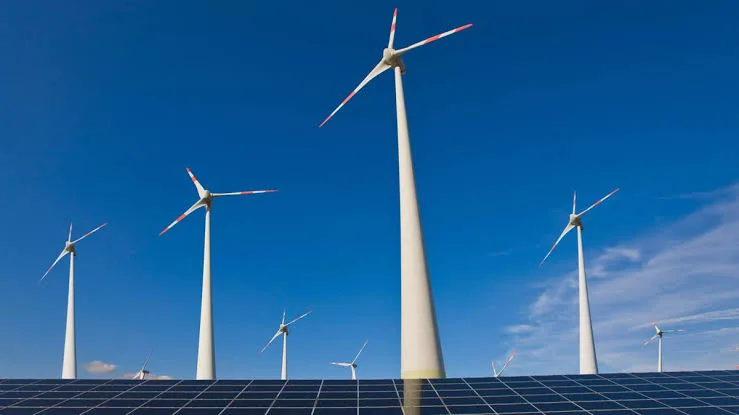
Introduction
Renewable energy has become an increasingly important part of the modern energy ecosystem. Investments in solar power, wind energy, hydroelectricity, battery storage, and other clean-energy technologies continue to grow. As renewable energy portfolios expand, companies must manage more assets, projects, suppliers, employees, materials, and operational data than ever before.
Managing this complexity efficiently requires more than individual applications for finance, procurement, maintenance, or project management. Renewable energy organizations need connected systems that allow information to move across departments and provide decision-makers with a consistent view of operations.
This is where SAP Solutions for Renewable Energy can play an important role. SAP can help organizations integrate business processes with operational activities, enabling better visibility across projects, assets, procurement, maintenance, supply chains, and financial operations.
The growing adoption of SAP renewable energy solutions also reflects the industry's need for scalable digital infrastructure. When combined with SAP Supply Chain Management, organizations can connect asset requirements with materials, suppliers, inventory, logistics, and procurement processes. This can help create a more coordinated approach to managing renewable energy operations.
The Changing Digital Landscape of Renewable Energy
Renewable energy companies operate in an environment where assets can be geographically distributed and operational conditions can change continuously. A business may manage several solar farms across different regions or operate wind facilities that depend on specialized equipment and field-service teams.
Each project generates information about costs, assets, maintenance, procurement, inventory, energy production, and suppliers. When these activities are managed through disconnected systems, employees may need to manually consolidate information before they can evaluate performance or make decisions.
Digital integration can reduce these information gaps. By bringing business and operational processes together, organizations can establish a more consistent flow of information from project planning through asset operations.
This approach can be especially valuable for renewable energy companies that are expanding their portfolios and need standardized processes across multiple sites.
What SAP Solutions for Renewable Energy Can Address
Renewable energy businesses have requirements that extend across the entire operational lifecycle. From developing a new project to maintaining an operational facility, different departments need to work with connected information.
SAP Solutions for Renewable Energy can help establish integrated processes covering areas such as project execution, asset management, procurement, supply planning, finance, and analytics.
Rather than viewing these functions independently, an SAP-based approach can connect them so that one business activity can provide information to another. For example, a planned maintenance activity can influence spare parts requirements, inventory planning, purchasing, and financial tracking.
Important areas of focus include:
- Project planning and execution
- Asset lifecycle management
- Maintenance and field operations
- Procurement and supplier management
- Inventory and materials planning
- Financial and cost management
- Operational analytics
- Workforce and resource coordination
Connecting these areas can help organizations improve transparency while reducing manual coordination between departments.
Managing Renewable Energy Assets More Effectively
Renewable energy companies make substantial investments in physical infrastructure. Solar panels, turbines, transformers, batteries, electrical systems, and other equipment need to remain operational over long periods to deliver expected returns.
Asset management therefore needs to cover more than basic equipment records. Organizations need information about maintenance history, asset condition, operating costs, service requirements, and future replacement needs.
SAP renewable energy capabilities can help create structured processes for managing this information. Asset data can be connected with maintenance activities and operational planning, giving teams a clearer understanding of equipment requirements.
Effective asset management can help organizations focus on:
- Preventive maintenance
- Corrective maintenance
- Asset performance tracking
- Work order management
- Maintenance resource planning
- Spare parts requirements
- Lifecycle cost analysis
With this information available within connected processes, maintenance teams can plan activities more systematically and potentially reduce unnecessary disruptions.
Strengthening Renewable Energy Supply Chains
The supply chain plays a significant role in renewable energy development and operations. Large projects require equipment and components from multiple suppliers, while operational facilities need a continuous supply of spare parts and maintenance materials.
Supply chain disruptions can create significant consequences. A missing component may delay installation during project development or extend equipment downtime during operations.
SAP Supply Chain Management can support greater coordination between procurement, inventory, suppliers, materials, and logistics. When these processes are connected with asset and maintenance information, organizations can gain better visibility into upcoming requirements.
For example, if maintenance planning indicates that a specific component will be required in the coming months, procurement and inventory teams can use this information to prepare accordingly.
An integrated supply chain approach can support:
- Demand and material planning
- Inventory visibility
- Supplier coordination
- Procurement management
- Logistics planning
- Spare parts availability
- Material requirement tracking
This can help organizations balance material availability with inventory costs.
Improving Procurement and Supplier Coordination
Renewable energy projects rely on a large network of equipment manufacturers, component suppliers, contractors, logistics providers, and maintenance service companies. Managing this ecosystem requires accurate purchasing information and effective supplier coordination.
Procurement teams need to know what is required, when it is required, which supplier can provide it, and how the purchase will affect project or operational costs.
SAP can connect procurement information with other business processes, helping teams gain a broader view of purchasing activities. This can make it easier to monitor commitments, supplier performance, purchasing costs, and material requirements.
For organizations managing multiple renewable projects, standardized procurement workflows can also help create consistency across locations while allowing individual projects to maintain their specific requirements.
Enhancing Maintenance Planning and Reliability
Equipment availability is an important consideration for renewable energy operators. Unplanned equipment failures can affect operations, increase maintenance expenses, and reduce asset availability.
A structured maintenance strategy can help organizations identify service requirements before equipment problems become major disruptions. SAP can support maintenance processes by connecting asset information, work orders, schedules, resources, and materials.
For field teams, having access to accurate information can make maintenance activities easier to coordinate. A technician may need specific spare parts, technical information, or previous maintenance records before completing a job.
When these requirements are connected within an integrated system, maintenance teams can work with better context and procurement or warehouse teams can respond more effectively to material requirements.
Using Business Data to Improve Energy Operations
Renewable energy companies generate data across virtually every business activity. Project costs, asset information, maintenance records, supplier transactions, inventory movements, and procurement data can all contribute to operational decision-making.
However, collecting data is only the first step. Organizations need to convert it into meaningful information that can support business decisions.
SAP's integrated environment can help bring information from different business functions together. Managers can use this information to understand trends, compare performance, identify inefficiencies, and plan future activities.
For example, analytics can help organizations examine:
- Asset maintenance frequency
- Maintenance expenditure
- Inventory utilization
- Supplier performance
- Procurement costs
- Project performance
- Asset lifecycle expenses
A broader data perspective can help management teams make decisions based on information from across the business rather than isolated departmental reports.
Supporting Multi-Site Renewable Energy Operations
Many renewable energy businesses operate assets across different locations. A company may have solar installations in several states, wind farms in different regions, or a combination of renewable technologies within its portfolio.
Managing these facilities consistently can become challenging as the number of assets increases. Each location may have different suppliers, maintenance requirements, workforce needs, and logistics considerations.
An SAP-based environment can help establish common processes while maintaining visibility into individual locations. This can support centralized reporting and standardized workflows without removing the operational information required at each site.
This scalability can be important for businesses that expect their renewable energy portfolio to grow over time.
Preparing Renewable Energy Businesses for Future Growth
The renewable energy industry continues to evolve. Battery storage, distributed generation, smart energy technologies, predictive maintenance, and digital monitoring are changing how energy assets are developed and operated.
Organizations therefore need technology platforms that can adapt as their business models change. SAP Solutions for Renewable Energy can provide an enterprise foundation for connecting existing operations with emerging digital capabilities.
A connected environment can also make it easier for businesses to standardize processes as they enter new markets or add new types of renewable assets.
The long-term objective is to create a digital operating model that supports growth without creating additional complexity at every stage.
Key Benefits of an Integrated SAP Approach
An integrated SAP environment can provide renewable energy companies with a more connected view of their business. Instead of managing individual processes in isolation, organizations can coordinate activities across finance, assets, procurement, supply chains, and operations.
Some of the potential advantages include:
- Improved asset visibility
- More organized maintenance processes
- Better project cost management
- Stronger supplier coordination
- Improved inventory control
- More effective material planning
- Greater operational transparency
- Better data-driven decision-making
These capabilities can help businesses manage operational complexity while building a stronger foundation for future expansion.
Conclusion
The renewable energy industry is experiencing significant growth, but expansion also brings greater operational complexity. Companies need to manage assets, projects, suppliers, materials, maintenance, finances, and field operations in a coordinated manner.
SAP Solutions for Renewable Energy can help organizations create this connected environment by integrating business and operational processes. From asset lifecycle management and maintenance to procurement, finance, and analytics, SAP can provide a structured foundation for managing renewable energy operations.
The role of SAP renewable energy solutions becomes even more valuable when combined with SAP Supply Chain Management. Connecting maintenance and asset requirements with suppliers, materials, inventory, procurement, and logistics can help businesses improve planning and respond more effectively to operational needs.
As renewable energy portfolios become larger and more sophisticated, digital integration will continue to influence operational efficiency and scalability. Organizations that establish connected processes can be better prepared to manage their assets, control costs, improve visibility, and support long-term growth.