Crushers are used in many industries to break large rocks, minerals, ores, and other hard materials into smaller sizes. During this process, the internal parts of a crusher are exposed to heavy impact, abrasion, and constant friction. Without proper protection, these parts can wear out quickly.
This is where wear plates for crushers are important. Wear plates are installed on areas that come into direct contact with the material being crushed. They act as a protective layer and help reduce damage to the crusher body and other important components.
What Are Wear Plates for Crushers?
Wear plates are strong metal plates designed to resist wear caused by impact, abrasion, and friction. They are commonly installed inside crushing equipment where rocks and other materials hit, slide, or rub against the surface.
Depending on the application, wear plates can be made from different types of wear-resistant steel. Some applications require high impact resistance, while others need excellent resistance to continuous abrasion.
Common materials include:
- Abrasion-resistant steel plates
- High manganese steel
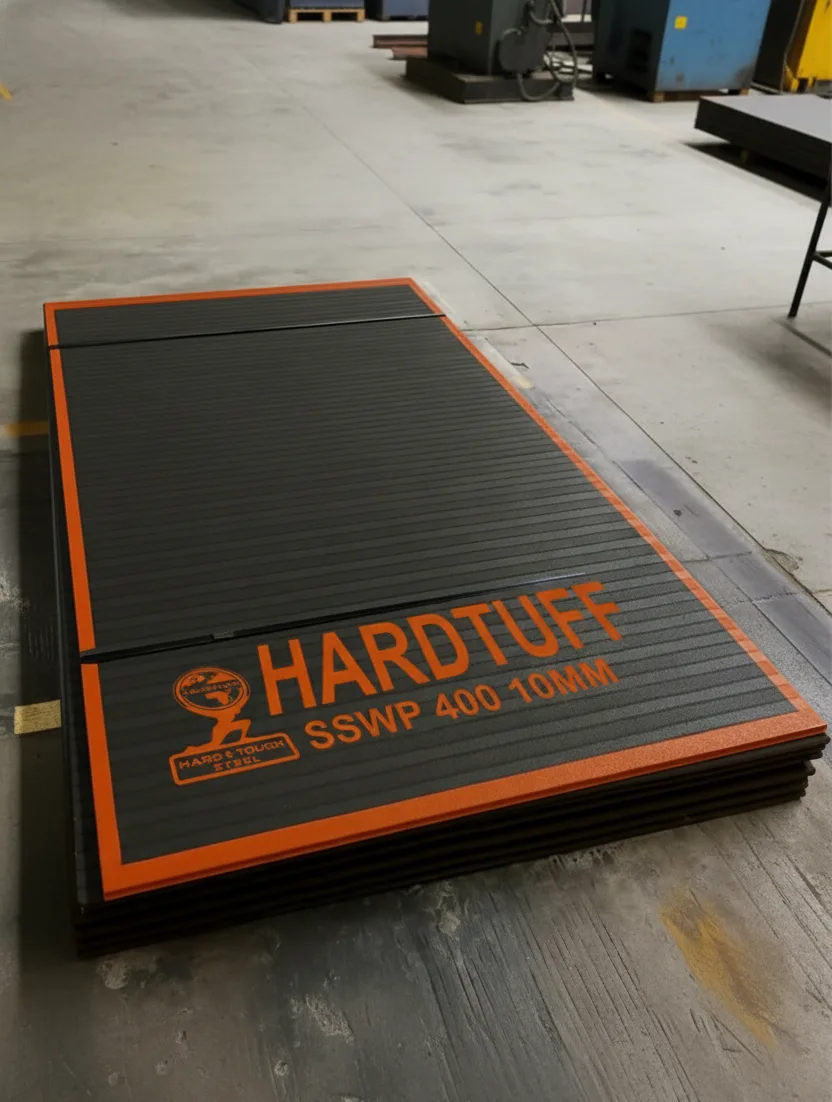
- Chromium carbide overlay plates
- Hardfacing plates
- Alloy wear-resistant steels
The right material depends on the crusher type, material being processed, impact level, and working conditions.
Why Do Crushers Need Wear Plates?
Crushing is a demanding process. Large and hard materials can cause serious wear to machine surfaces. Every time material enters the crusher, it can hit the internal walls and wear the metal surface.
Without wear plates, the main crusher structure may become thin or damaged. Repairs can then become expensive and may require the machine to stop working.
Wear plates provide a replaceable protective surface. Instead of replacing or repairing the main crusher body, operators can replace the worn plate.
This makes maintenance easier and can help extend the service life of the equipment.
Main Types of Wear Plates Used in Crushers
Different crushers and applications require different types of wear plates.
1. Abrasion Resistant Wear Plates
Abrasion-resistant plates are designed to handle continuous rubbing and sliding from hard materials. They are commonly used where the crusher experiences high levels of abrasive wear.
These plates can help protect surfaces from rapid material loss and are suitable for many mining, quarrying, and aggregate applications.
2. Chromium Carbide Wear Plates
Chromium carbide overlay (CCO) plates are made with a hard chromium carbide layer deposited on a steel base plate.
They are especially useful in applications where severe abrasion is a major concern. The hard overlay provides strong protection against sliding and abrasive materials.
CCO plates are often used in areas such as crusher chutes, hoppers, transfer points, and other equipment exposed to abrasive material.
3. Manganese Wear Plates
Manganese steel is known for its ability to withstand high-impact conditions. Under heavy impact, the surface can become harder during service.
Manganese wear plates are commonly associated with crusher components that experience strong impact from large rocks.
4. Hardfacing Plates
Hardfacing involves applying a hard wear-resistant layer to a base metal. Hardfaced plates can provide protection in applications where severe wear is expected.
They are useful when both the strength of the base plate and the wear resistance of the surface are needed.
Where Are Wear Plates Used in Crushers?
Wear plates can be installed in several parts of crushing equipment.
Common locations include:
- Crusher side walls
- Crusher liners
- Feed areas
- Discharge areas
- Chutes
- Hoppers
- Transfer points
- Deflector plates
- Impact zones
- Material flow areas
The exact location depends on the crusher design and the type of material being processed.
Benefits of Using Wear Plates in Crushers
Longer Equipment Life
Wear plates protect the main structure of the crusher from direct contact with abrasive materials. This can help increase the working life of the equipment.
Less Maintenance
A replaceable wear plate is usually easier to maintain than repairing the main crusher structure. Regular inspection and timely replacement can help keep the machine in good working condition.
Reduced Downtime
Unexpected wear can lead to equipment failure and production stoppages. Proper wear protection can help reduce unplanned downtime.
Lower Maintenance Costs
Replacing a worn plate is often more practical than repairing a major machine component. Good wear protection can therefore help control maintenance costs.
Better Material Flow
Smooth and properly maintained surfaces can help materials move through the crusher system more effectively. Damaged or heavily worn surfaces can affect material flow.
How to Select the Right Wear Plate for a Crusher
Choosing the correct wear plate is important. A plate that works well in one crusher may not be the best choice for another application.
Consider the following factors.
Type of Material
The material being crushed has a major effect on wear. Limestone, granite, iron ore, coal, and other materials have different levels of hardness and abrasiveness.
Impact Level
Some crushers handle large rocks that create heavy impact. In these situations, impact resistance is very important.
Abrasion Level
If the material continuously slides across the plate, abrasion resistance becomes a key requirement.
Plate Thickness
The thickness of the plate should match the working conditions. A thicker plate can provide more wear allowance, but the correct thickness also depends on the crusher design and available space.
Crusher Type
Jaw crushers, cone crushers, impact crushers, and other crushing machines have different operating conditions. Wear protection should be selected according to the specific machine.
Operating Conditions
Temperature, moisture, material size, production rate, and feeding conditions can all affect plate performance.
Wear Plates for Jaw Crushers
Jaw crushers are commonly used for primary crushing. Large rocks enter the machine and are crushed between a fixed jaw and a moving jaw.
Because of the heavy impact and abrasion involved, wear protection is extremely important. Jaw plates and other protective plates must be selected according to the material and crushing conditions.
Materials with high impact resistance are often preferred when large and hard rocks are being processed.
Wear Plates for Cone Crushers
Cone crushers reduce material by compression between the mantle and concave. The crushing process creates continuous contact between the material and the crusher surfaces.
Wear-resistant components help protect important areas and maintain the correct crushing profile.
Regular inspection is important because uneven wear can affect crusher performance and product size.
Wear Plates for Impact Crushers
Impact crushers use high-speed impact to break material. The material can hit internal surfaces with considerable force.
For these machines, the wear material needs to balance abrasion resistance with impact resistance. The correct plate selection depends on the material being crushed and the operating conditions.
Importance of Regular Wear Plate Inspection
Installing a wear plate is not the end of the maintenance process. Regular inspection is important.
Operators should check for:
- Cracks
- Excessive thickness loss
- Uneven wear
- Loose plates
- Damaged fasteners
- Deformation
- Excessive surface damage
Replacing plates before they become completely worn can help prevent damage to the equipment underneath.
Wear Plate Maintenance Tips
A simple maintenance routine can make a big difference.
Inspect plates regularly: Check high-wear areas more frequently than areas with lower wear.
Measure plate thickness: Visual inspection alone may not always show how much material has been lost.
Check fasteners: Loose bolts or mounting hardware can cause the plate to move or fail.
Watch for uneven wear: Uneven wear may indicate incorrect material flow, feeding problems, or an unsuitable plate.
Replace plates on time: Waiting until the base metal is exposed can increase the risk of damage to the crusher.
Wear Plates and Crusher Productivity
Wear plates do more than protect metal surfaces. They can also support reliable crusher operation.
When worn components are allowed to deteriorate too far, the crusher may require more maintenance and can become less reliable. Regular replacement of wear parts helps keep the machine operating as intended.
For businesses working with high production volumes, controlling wear can be an important part of reducing operating interruptions.
Conclusion
Wear plates for crushers are an important part of modern crushing equipment. They protect crusher surfaces from abrasion, impact, and friction caused by rocks, minerals, and other hard materials.
The right wear plate can help extend equipment life, reduce maintenance requirements, and limit unexpected downtime. However, there is no single wear plate that is suitable for every crusher. Material type, impact, abrasion, crusher design, plate thickness, and operating conditions should all be considered before making a selection.
For more details contact us-
[email protected]
Phone-+91-98215-13630
Website-