Businesses continue to look for clear, scalable ways to accelerate revenue while staying agile and data driven. As we move into 2025, Salesforce remains at the center of modern revenue strategies, not just as a CRM, but as a comprehensive growth platform. Leveraging its full capabilities can unlock measurable improvements in sales performance, forecasting accuracy, and customer retention.
Here are the key Salesforce strategies that will help enterprise leaders increase sales with Salesforce and drive revenue growth in 2025:
1. Unified Data for Smarter Decision-Making
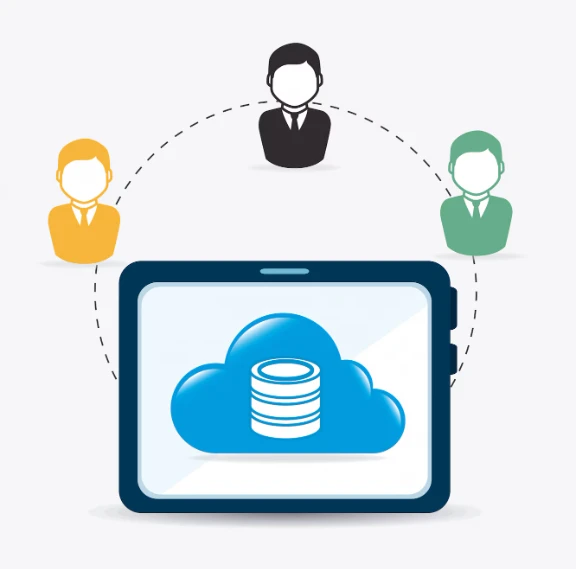
Fragmented customer data slows down decision-making and clouds sales performance insights. Salesforce Customer 360 brings together data from marketing, sales, service, and commerce into one unified platform. Unified data enables real-time forecasting, reduces manual reporting efforts, and supports proactive revenue planning.
2. Sales Cloud and AI
Sales Cloud, enhanced by Einstein AI, equips sales teams with predictive insights. Reps are guided to focus on deals with the highest likelihood to close, while managers gain deeper visibility into pipeline health.
How it drives revenue:
- Automated lead scoring and prioritization
- AI-driven recommendations to personalize outreach
- Accurate pipeline forecasting to guide strategic action
3. Streamlined Sales Processes Through Automation
Manual tasks slow down the sales cycle. Salesforce Flow and Process Builder allow companies to automate critical sales workflows, from lead routing and quote approvals to post-sale follow-ups.
Result:
- Faster quote-to-cash cycles
- Reduced administrative burden on sales reps
- Consistent customer engagement across every stage
For enterprise sales teams, even a 5% reduction in deal cycle time can translate into significant annual revenue gains.
4. Account-Based Strategies with Marketing Cloud & Pardot
For companies with long, complex sales cycles, aligning marketing and sales is essential. Salesforce’s Marketing Cloud Account Engagement enables highly targeted, account-based marketing (ABM) campaigns.
Business impact:
- Accelerated pipeline development from high-value accounts
- Improved lead quality through aligned sales-marketing data
- Clear ROI tracking from campaign to conversion
This alignment enhances sales team efficiency and shortens the journey from prospect to customer.
5. Customer Retention
Retaining customers is more cost-effective than acquiring new ones. Salesforce Service Cloud, combined with AI-driven case management and customer self-service portals, improves customer satisfaction and reduces churn.
Outcome:
- Increased customer lifetime value (CLV)
- More opportunities for upselling and cross-selling
- Greater brand loyalty and referrals
High-touch support and smart automation ensure that existing customers stay engaged and profitable.
Conclusion
Salesforce is not just a tool, it’s a revenue engine. For businesses, the priority in 2025 is clear: use Salesforce strategically to unify teams, automate processes, and convert data into growth. The companies that succeed will be those that treat Salesforce not as a CRM, but as a core driver of scalable revenue.
Partner with SP Tech to architect Salesforce solutions that deliver real business outcomes. As a trusted provider of Salesforce consulting services, we help you build what’s next—together.