Learn how Salesforce Service Cloud integration solutions connect support, CRM, ERP, and channels to improve case handling and customer service.
Customer service works best when every system talks to each other. That is why salesforce service cloud integration solutions matter so much. They connect your support platform with the tools your team already uses, like ERP, order systems, chat, email, phone, and knowledge bases. Salesforce Service Cloud is built to help teams manage cases, knowledge, incidents, and service activity from one place, while CRM integration connects outside apps so data can move between systems automatically.
When businesses use salesforce service cloud integration solutions well, agents do not have to jump between screens or copy data by hand. A support rep can see customer history, order details, service requests, and past conversations in one flow. This makes replies faster, reduces mistakes, and gives customers a smoother experience across email, chat, phone, and social channels. Salesforce describes Service Cloud as a unified workspace for service teams, and its omni-channel guidance explains why connected service is better than disconnected teams using separate dashboards.
Why Salesforce Service Cloud integration solutions help support teams
The biggest reason companies choose salesforce service cloud integration solutions is simple: support gets easier to run. Service Cloud already includes case handling and tools for service teams. Integration adds the missing links between customer support and the rest of the business, so the team can act on full information instead of partial data.
A connected setup often helps teams:
- bring customer data into one service view
- sync order, billing, and shipment details
- route cases to the right person faster
- support chat, email, phone, and social channels together
- reduce manual updates and duplicate records
These outcomes align with Salesforce’s own description of Service Cloud as a platform for cases, knowledge, incidents, and connected customer service across touchpoints.
Common systems used in Salesforce Service Cloud integration solutions
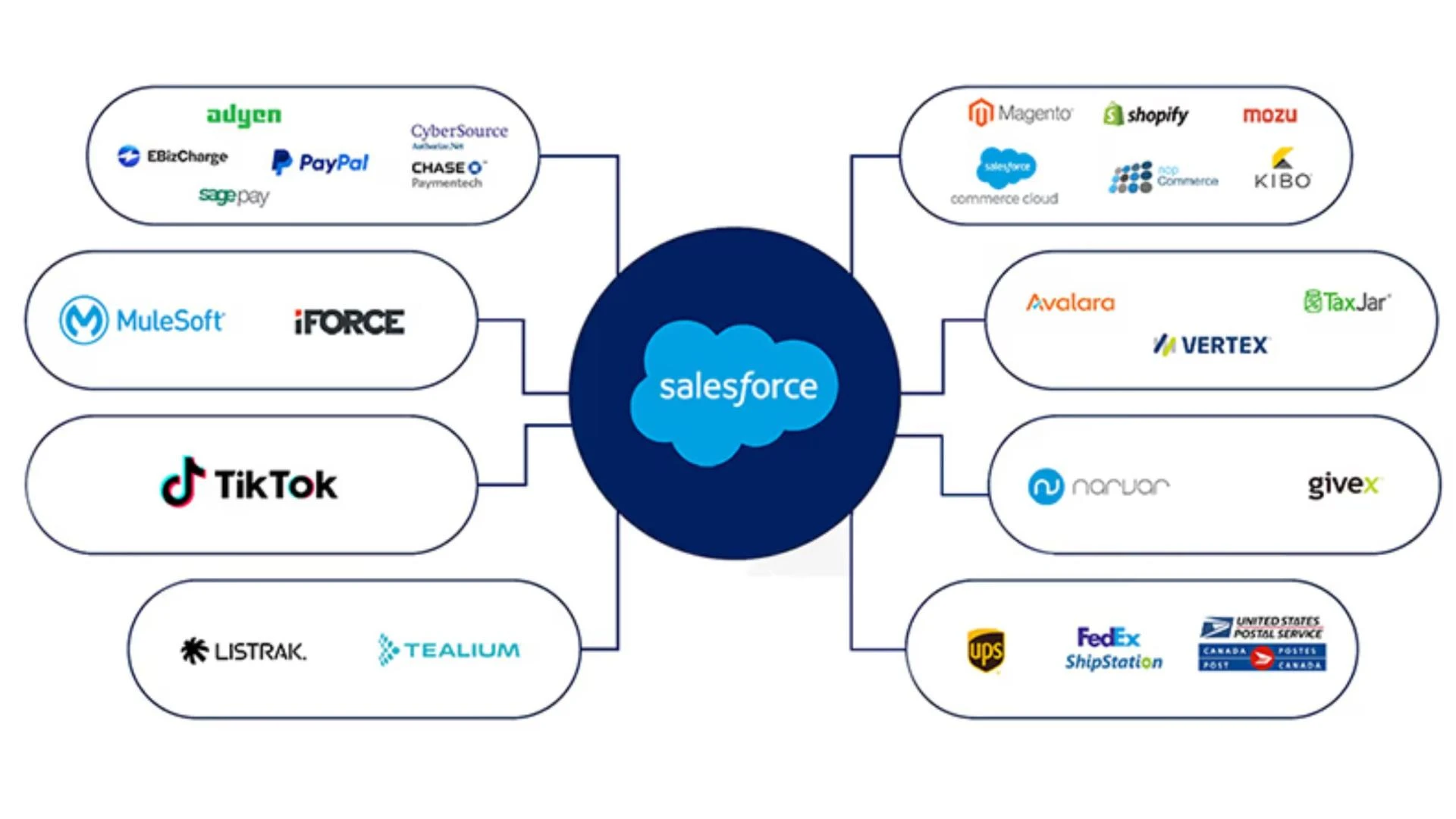
Most companies do not need Service Cloud alone. They need salesforce service cloud integration solutions that fit into daily work. That usually means linking Service Cloud with ERP tools, e-commerce systems, contact centers, internal databases, or older on-premise software. Salesforce’s developer and architect resources explain that integration can connect cloud apps, legacy systems, and enterprise platforms, with patterns chosen based on scale and data flow.
A practical example is when a service agent opens a case and instantly sees order status, warehouse updates, and account details without opening other tools. Another example is when support tickets trigger alerts or workflows in outside systems. That is the real value of salesforce service cloud integration solutions: they turn service into one connected process instead of many broken steps.

Key features improved by Salesforce Service Cloud integration solutions
Salesforce Service Cloud supports case management, knowledge, chat, messaging, voice, and more. Integration makes each feature stronger because the platform is no longer working alone. Cases become more useful when outside data is attached. Knowledge becomes more useful when agents see the right article at the right time. Omni-channel service becomes more useful when all channels share the same customer context.
This is where salesforce service cloud integration solutions create day-to-day value:
- Case management: cases can include order data, account history, and service status
- Omni-channel routing: customer messages from many channels can reach the right team faster
- Knowledge support: agents and customers can use better self-service content
- Automation: routine updates and handoffs can happen without manual work
These are not side benefits. They are the reason many teams move from disconnected support tools to salesforce service cloud integration solutions in the first place.
How to choose the right Salesforce Service Cloud integration solutions
The best salesforce service cloud integration solutions start with business needs, not just APIs. First, map the service journey. Look at where agents lose time, where customers repeat themselves, and where data sits in separate systems. Then decide what needs to sync in real time, what can sync in batches, and which teams need access. Salesforce’s integration guidance focuses on selecting the right pattern for the problem, which is important because not every connection should work the same way.
A strong setup usually has clear field mapping, clean ownership of data, and a simple support flow. For example, a company may connect Service Cloud to ERP for order data, to telephony for call handling, and to a knowledge base for self-service. That kind of design keeps the customer record useful and the service team fast. Good salesforce service cloud integration solutions should make work simpler, not more complex.
Frequently Asked Questions
What is Salesforce Service Cloud?
Salesforce Service Cloud is a customer service and support platform that helps teams manage cases, knowledge, incidents, and customer interactions from a unified workspace.
What is CRM integration?
CRM integration is the process of connecting third-party apps, legacy systems, and other business software to a CRM so data can sync automatically between systems.
What is the difference between Service Cloud and Sales Cloud?
Service Cloud is built for customer service and support, while Sales Cloud is built for sales teams to manage leads, opportunities, and customer relationships.
How does Salesforce Service Cloud integration improve customer service?
It helps agents see more customer data in one place, reduces manual work, supports faster case handling, and improves consistency across channels.
Can Salesforce Service Cloud integrate with ERP and legacy systems?
Yes. Salesforce integration guidance covers connections with enterprise platforms, outside applications, and legacy systems based on the right integration pattern.
Does Salesforce Service Cloud support omnichannel service?
Yes. Salesforce documents describe Service Cloud as supporting customer service across channels like phone, chat, email, messaging, and social interactions.
Conclusion
Salesforce service cloud integration solutions help service teams work with one clear view instead of many disconnected tools. They connect customer support with the systems that hold the data agents need most. That means faster case handling, better routing, cleaner records, and a more consistent customer experience. For companies that want support teams to move faster and serve better, salesforce service cloud integration solutions are a practical way to bring service, data, and workflows together.