A salary increase letter template is an essential resource for HR teams, managers, and company leaders who want to communicate salary adjustments in a professional and structured way. Salary increases represent an important milestone in an employee’s career, and how this information is shared can have a major impact on motivation, loyalty, and trust. By relying on a salary increase letter template, organizations can ensure that the message is clear, respectful, and consistent, while also saving time and reducing the chance of mistakes.
When an employee receives a raise, the increase reflects the value they bring to the company. While verbal communication is important, a formal written letter serves as an official confirmation that both the company and employee can keep on record. A salary increase letter template provides HR professionals with a pre-built framework to communicate the raise clearly, including the effective date, the updated salary amount, and a brief note of appreciation. Having a consistent format not only maintains professionalism but also ensures that employees across the organization receive uniform communication.
For HR teams that manage multiple tasks daily, templates are a practical tool. Without one, there is a higher chance of leaving out critical details, such as effective dates or salary breakdowns. A salary increase letter template ensures accuracy by providing a structured format where all essential information is included. This helps companies avoid confusion and prevents delays in payroll adjustments. For teams working through platforms like Slack, Gmail, Outlook, or Teams, templates are easy to adapt into digital formats, making communication faster and more reliable.
Another reason organizations use a salary increase letter template is to establish consistency across the workforce. Employees often compare how their raises are communicated, and if letters vary widely in tone or content, it can lead to feelings of unfairness. A structured template ensures that every employee receives clear and professional communication, minimizing the risk of misunderstandings and reinforcing equality. This consistency also strengthens the company’s image as an organized and transparent workplace.
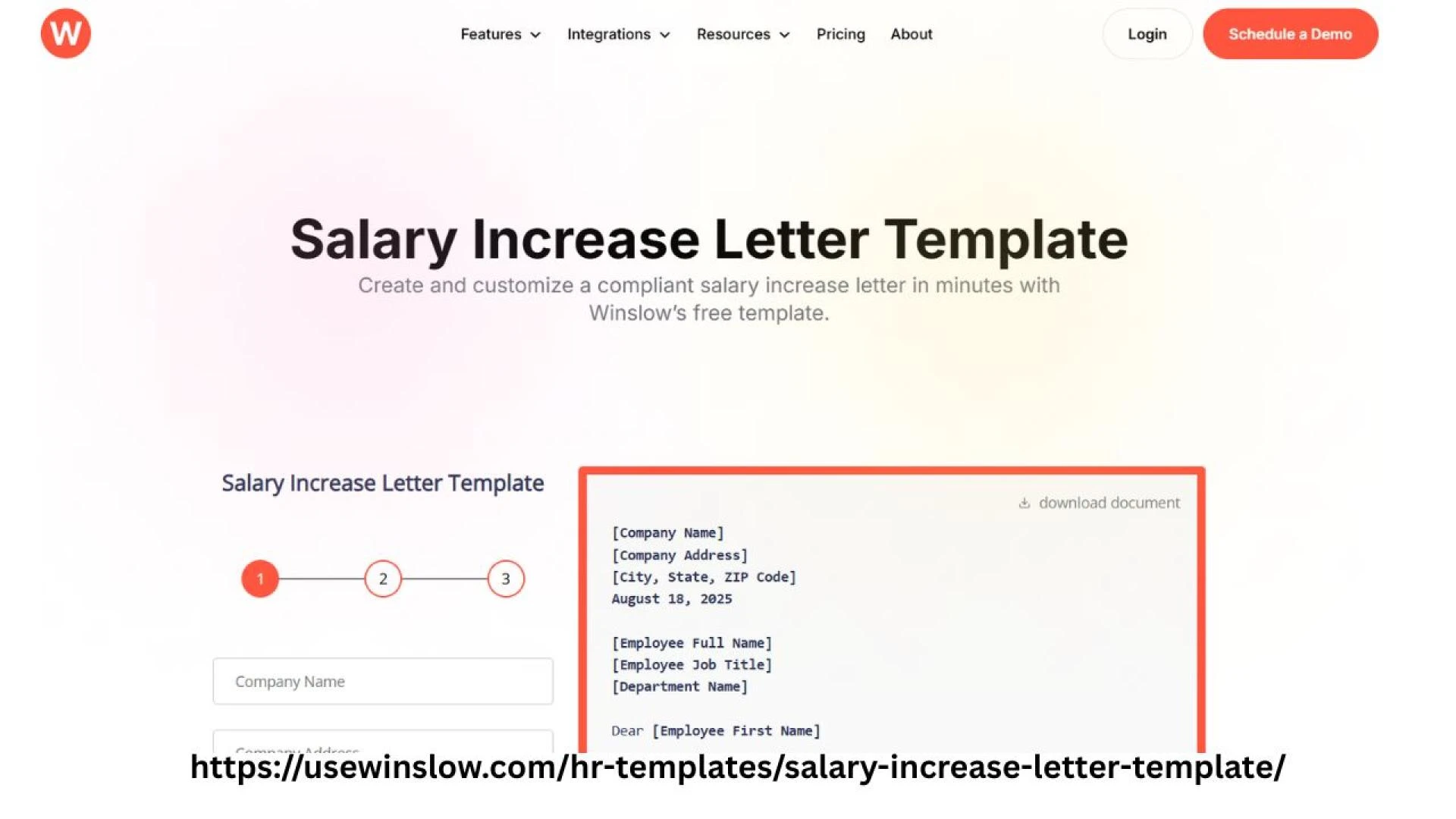
In terms of content, most salary increase letters include several standard elements. These usually begin with the employee’s name, job title, and department, followed by the date of the letter. The body of the letter confirms the salary adjustment, specifies the effective date, and provides details of the new salary. Many companies also include a short note of recognition or appreciation, acknowledging the employee’s efforts or contributions that led to the raise. Finally, the letter closes with a positive message and contact details should the employee have any questions. A salary increase letter template ensures that these key components are always present.
While the structure remains fairly consistent, the tone of the letter can vary depending on company culture. Some organizations prefer a very formal and businesslike tone, while others add a personal touch that highlights the employee’s achievements. A template allows for flexibility: HR can keep the format consistent but adjust the tone and level of personalization to suit different situations. This balance of structure and customization is one of the main reasons salary increase letter templates are so effective.
Small businesses in particular can benefit greatly from using a salary increase letter template. Unlike larger organizations with dedicated HR departments, small businesses often have limited staff managing many HR tasks at once. A ready-to-use template saves time, ensures professionalism, and reduces the burden on HR. Winslow supports businesses in creating efficient HR workflows by providing solutions that help teams streamline documentation and employee communication without losing quality.
Modern workplaces are increasingly digital, and this has made templates even more practical. Instead of printing and handing out physical letters, many companies now send salary increase letters via email or internal communication tools. A template can be easily adapted for digital use, ensuring that the professional tone is maintained regardless of the format. Some companies also attach a PDF version of the letter to the email for official recordkeeping. This flexibility allows businesses to communicate raises in a way that fits their workflow while still keeping communication professional.
Confidentiality is another important aspect to consider when preparing a salary increase letter. Salary details are sensitive, and employees should be reminded of this in the communication. Many templates include a line that highlights the private nature of the information, reinforcing company policy and protecting both the organization and the employee. By including this reminder in the template, companies ensure it is never overlooked.
Over time, HR teams may need to update their salary increase letter template to keep it aligned with new policies or industry practices. For example, if the organization adopts a new system for performance-based raises, the template may need to reflect that change. Regularly reviewing and updating the format ensures the letter remains relevant and continues to serve its purpose effectively. Winslow encourages HR teams to maintain updated templates as part of building strong and reliable HR systems.
It is also important to remember that the letter is usually not the first time an employee learns about their salary increase. Managers should discuss the raise with the employee in advance, explaining the reasons for the decision and addressing any questions. The salary increase letter then acts as formal written confirmation of the conversation. This approach makes the letter part of a larger communication process, rather than the only message the employee receives.
From a recordkeeping perspective, salary increase letters play a vital role. They provide a formal document that tracks salary history, which can be useful during performance reviews, promotions, or audits. Having a consistent template ensures that every salary adjustment is properly documented and easy to reference in the future. This makes HR management smoother and reduces the risk of disputes over salary history.
The language of the letter should always remain positive and encouraging. Even if the raise is modest, the letter is a chance to highlight the employee’s importance to the organization. Words of recognition and encouragement can make the communication more meaningful, showing that the raise is not only a financial adjustment but also an acknowledgment of contributions. A salary increase letter template provides the structure for this recognition while leaving space for managers to add personalized notes.
In conclusion, a salary increase letter template is a valuable tool for HR teams, managers, and companies looking to communicate compensation changes clearly and professionally. It provides consistency, saves time, and reinforces the values of transparency and appreciation. For small businesses and larger companies alike, the use of a template helps maintain professionalism and ensures no critical information is left out. Winslow supports HR teams by offering resources and guidance to simplify processes like this, helping businesses communicate effectively and strengthen employee trust. By adopting a salary increase letter template, companies can handle salary adjustments with professionalism, clarity, and respect, ensuring employees feel valued and recognized.