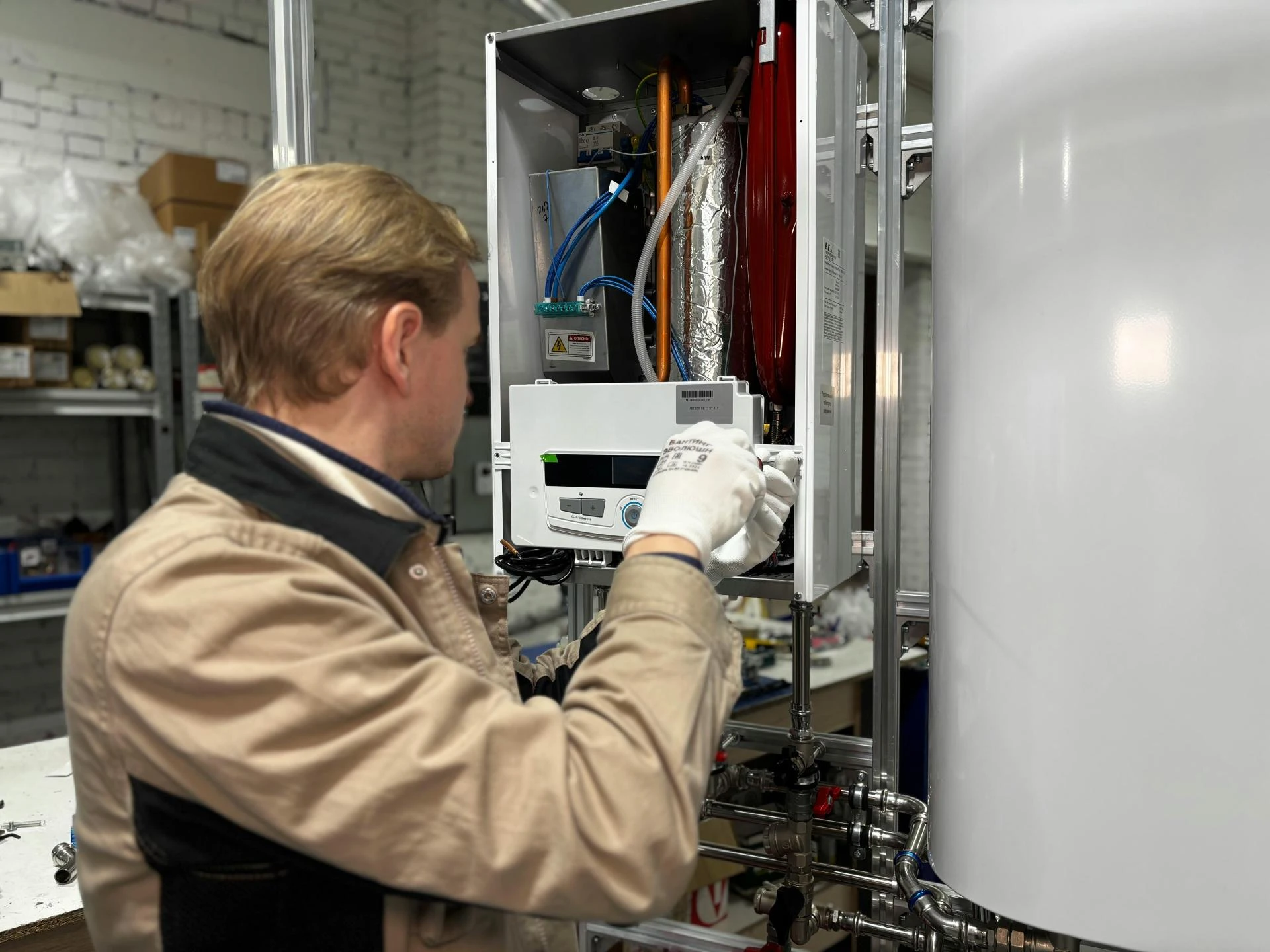
A water heater is one of the most important appliances in any home. It supports your daily routine, keeps your showers warm and ensures comfort for your family. But like any appliance that runs on electricity, gas or heat, it also needs proper care. When a water heater is neglected, it can become unsafe or break down without warning.
The good news is that you don’t need to be an expert to keep your water heater safe. A few simple habits can protect your home, reduce risks and improve the life of your unit. In this article, we will explore easy safety tips that every homeowner should know. These tips are based on common problems plumbers see regularly, and they are meant to help you stay informed and prepared.
If you ever need professional help, you can always search for reliable services through a trusted plumbing company o fallon to ensure everything is handled safely.
1. Check the Water Temperature Setting
Many homeowners don’t think twice about their water heater temperature setting. But keeping it too high can be unsafe. Most experts recommend keeping the temperature around 120°F. This is warm enough for daily use but safe enough to prevent scalding, especially if you have children or elderly family members at home.
A lower temperature also helps reduce energy bills. High heat forces the appliance to work harder, which increases wear and tear over time.
2. Inspect for Leaks Regularly
A small drip may seem harmless, but it can be a sign of pressure issues, worn parts or corrosion. Check around the bottom of your water heater at least once a month. If you notice:
• water collecting around the base
• rust stains
• moisture on the pipes or valves
• damp flooring
then it’s time to take action.
Ignoring leaks can cause damage to floors and walls or even lead to mold growth. If the leaking is continuous, it’s best to call a professional to check the system. They can identify whether the issue is minor or if the heater needs repair.
3. Test the Pressure Relief Valve
The pressure relief valve is one of the most important safety features of your water heater. It prevents pressure from building up inside the tank. If the pressure rises too much, the valve should automatically release it.
To test it:
- Place a bucket under the discharge pipe.
- Lift the valve handle gently.
- Hot water should flow out briefly.
If no water comes out, or if the valve is stuck, you need to replace it immediately. A faulty valve can cause dangerous pressure buildup. If you’re unsure how to handle this, a professional can test it for you.
4. Keep the Area Around the Heater Clear
Many homeowners use the space around their water heater as storage. This is risky. Items like boxes, clothes, chemicals or cleaning supplies should never be stored near the heater.
Keeping the area clear:
• prevents fire hazards
• improves ventilation
• makes inspections easier
• reduces overheating risk
A clean area also allows you to notice small leaks or issues more quickly.
5. Flush the Tank Once a Year
Over time, sediment builds up inside the tank. This can cause noise, slow heating or even overheating. Flushing your water heater helps remove minerals and keeps the system working smoothly.
It’s a simple task, but if you’re not comfortable doing it yourself, you can call a local expert for help. A clean tank reduces the risk of sudden failure and improves energy efficiency.
6. Watch for Warning Signs
Your water heater usually gives signals before it fails. Some of the most common warning signs include:
• strange rumbling or popping noises
• water taking longer to heat
• rusty or dirty water
• frequent temperature changes
• a burning smell near the unit
These signs shouldn’t be ignored. Early attention can prevent major damage or safety risks. If you notice these symptoms, you may need repair, maintenance or inspection.
For example, if you live in the area and need professional help, you can explore services such as water heater installation in o'fallon, which offers repair and maintenance support.
7. Know When to Replace Your Heater
Most water heaters last between 8 and 12 years. If your unit is older than this, it may be time to upgrade. Older heaters are more likely to leak, overheat or break without warning.
A new unit offers:
• better energy efficiency
• improved safety features
• more reliable temperature control
• reduced repair costs
Replacing on time helps you avoid emergency breakdowns.
8. Schedule Professional Inspections
Even if your heater seems fine, a yearly inspection can make a big difference. A professional plumber can:
• check internal parts
• test the thermostat
• confirm safe pressure levels
• detect small issues early
• ensure gas or electrical connections are safe
Regular inspections can prevent accidents and keep your home safe.
Final Thoughts
Water heater safety doesn’t have to be complicated. Simple steps like checking the temperature, inspecting for leaks and keeping the area clear can protect your home and family. When you pay attention to small signs, you avoid expensive repairs and enjoy better peace of mind.
And when you need expert help, choosing a reliable plumbing company o fallon ensures your water heater stays in safe hands. For repair or installation guidance, local services like water heater installation o'fallon are a helpful resource for homeowners.