
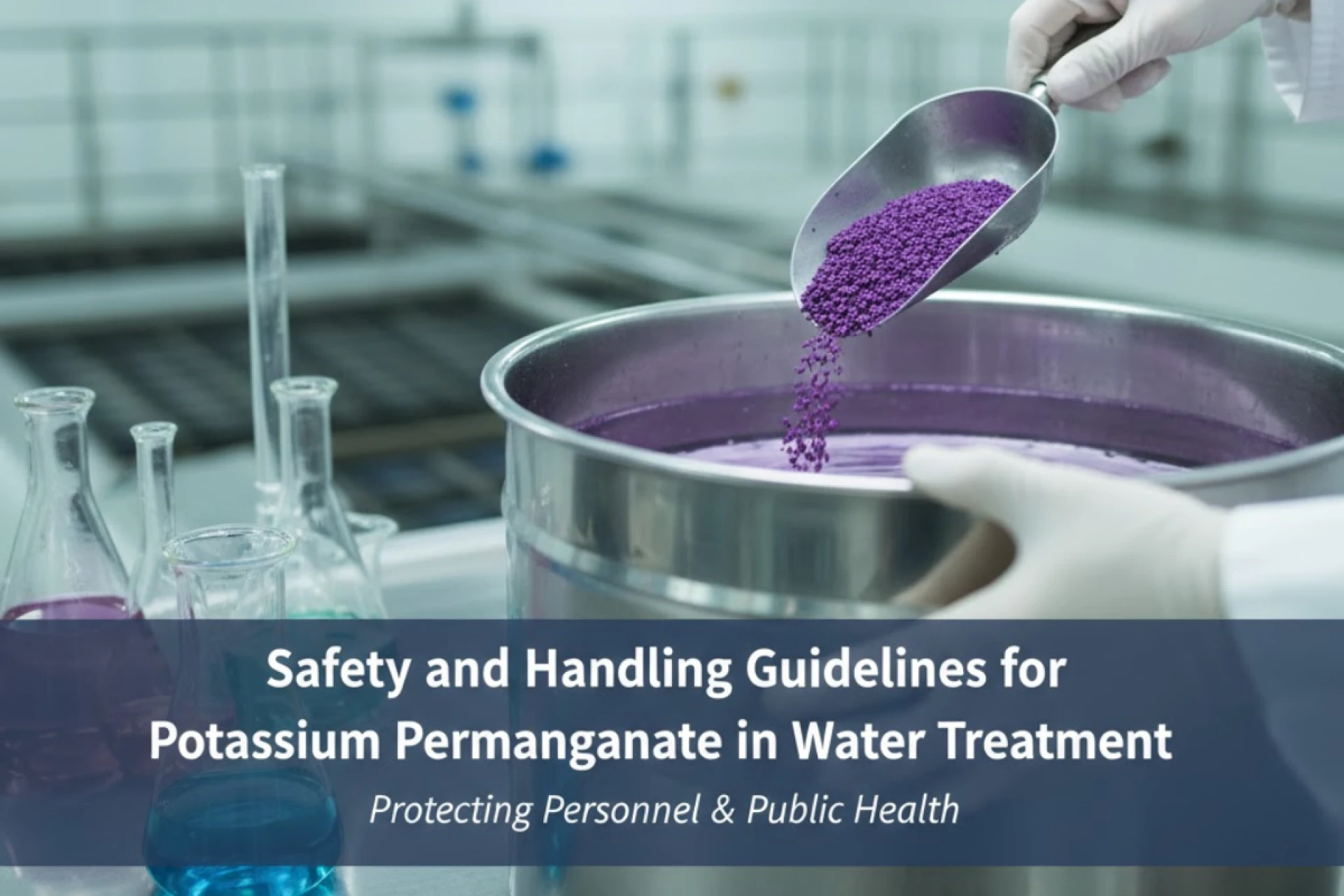
I’ll admit, working with chemicals can be kind of intimidating at first. You’re staring at these colorful powders or crystals, and a tiny slip could make a mess—or worse. One chemical that often comes up in water treatment is potassium permanganate. It’s not just some random ingredient; it plays a very real role in cleaning and purifying water. People often underestimate it because it’s sold in small bottles, but handling it requires attention. That’s why if you’re dealing with water treatment potassium permanganate, you need a few ground rules in your mind before even opening the container.
I remember the first time I saw a tiny spill of potassium permanganate on a counter. It left this deep purple stain that no amount of scrubbing seemed to erase. Not dangerous in that instant, but definitely a reminder that this stuff behaves differently than your everyday sugar or salt.
Why It’s Used in Water Treatment
Potassium permanganate is like a little guardian in water systems. It oxidizes impurities—iron, manganese, some nasty organic compounds—and helps prevent odors and discoloration. In simpler terms, it’s a chemical bodyguard for your water. But the catch is, it’s strong. It reacts quickly, so a careless pour or misjudged dose can create problems instead of solutions.
I’ve seen small water treatment plants struggle because they didn’t measure or mix it properly. The water wasn’t toxic, but the pinkish hue it sometimes leaves can freak people out. Which brings me to handling.
Storing It Right
This is one of those things that seems obvious, but isn’t until you deal with it firsthand. Potassium permanganate loves dryness. Keep it in a cool, dry place away from sunlight. Moisture? Big no-no. Even a little humidity can cause it to clump, react prematurely, or degrade. And don’t store it near flammable stuff. Sounds extreme, but it’s reactive enough to make sparks feel real.
A personal tip: use a separate, labeled container just for it. I’ve mixed storage sometimes and regretted it. Cross-contamination with other chemicals can get messy fast.
Protective Gear Isn’t Optional
Gloves, goggles, and masks. Not optional. I know, it’s tedious when you just want to mix a batch quickly. But even a tiny splash on your skin stains like crazy and can irritate. Inhaling dust isn’t pleasant either. I’ve had colleagues shrug it off once, thinking, “Ah, it’s just powder,” and then coughing and washing their face like they’d eaten sandpaper.
Measuring and Mixing
Even if you’re using it regularly, eyeballing is your enemy. Always measure carefully. Scales, measuring spoons, or dosing pumps work best. A small overdose can cause a lot of foam or discoloration, and in some rare cases, react with leftover residues in pipes.
When mixing, slowly add potassium permanganate to water—not the other way around. A friend of mine learned this the hard way; dumping water into crystals caused some splashing. Nothing catastrophic, but a mess that could’ve been avoided.
Cleaning Up Spills
Remember that purple stain I mentioned? Spills happen. For small ones, wiping immediately with a damp cloth works. Bigger spills need neutralizing. Some people use sodium bisulfite or hydrogen peroxide solutions for cleanup. I know it sounds over-the-top for a tiny mess, but trust me, a sloppy cleanup can stain counters, floors, and even clothes for months.
Disposal Tips
Leftover potassium permanganate isn’t just tossed in the trash. It should be diluted and decomposed properly. Some treatment facilities have protocols for neutralization. A little Googling won’t hurt either if you’re doing it in smaller setups.
A Few Real-World Warnings
One thing I always notice is how people underestimate small particles. A bit of dust floating into your eye? Painful. A tiny granule in a scratch on your hand? Ouch. Even though it’s commonly used in water treatment, it’s still a chemical that deserves respect.
Also, mixing it with acids or other oxidizing agents can lead to rapid reactions. I’ve seen stories from lab technicians who accidentally created a mini-fizzing disaster when they didn’t read the labels. A tiny warning can save a lot of headache.
Quick Tips I Follow
- Keep it dry, cool, away from light.
- Always wear gloves and goggles.
- Measure carefully.
- Slowly add to water, not the other way around.
- Clean spills immediately.
- Store separately from other chemicals.
- Neutralize any leftover solution properly.
I know it sounds like a lot of rules, but once you get into a routine, it becomes second nature. And honestly, the benefits it provides in water treatment—cleaner, clearer, safer water—are worth the extra care.
Handling potassium permanganate isn’t about fear; it’s about respect. A bit of caution goes a long way in preventing mishaps and keeping the water safe for everyone.