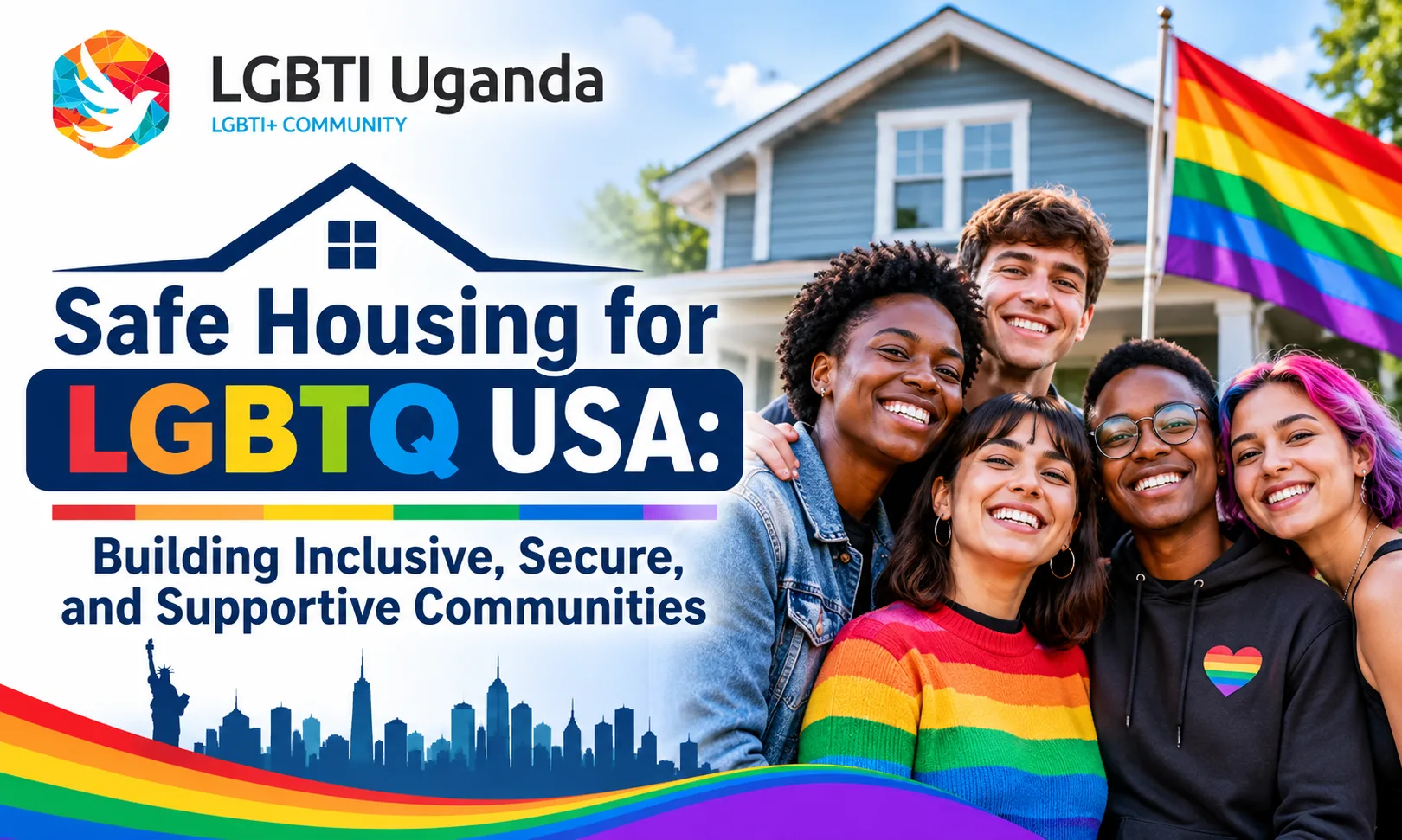
Finding a safe and affordable place to live is a basic human need. However, many lesbian, gay, bisexual, transgender, and queer (LGBTQ+) individuals face challenges when searching for housing. Discrimination, family rejection, financial difficulties, and limited access to supportive shelters can make finding a comfortable home difficult.
Safe housing for LGBTQ USA is an important topic because everyone deserves a living environment where they feel respected, protected, and accepted. Creating inclusive housing opportunities can help LGBTQ+ individuals build independent lives, improve their well-being, and become active members of their communities.
Why Safe Housing Matters for LGBTQ+ Individuals
Housing insecurity can affect anyone, but LGBTQ+ individuals may experience additional challenges because of their sexual orientation or gender identity. Some young people experience family rejection, while others face unfair treatment from landlords or difficulties accessing emergency shelters.
A safe home provides more than just a roof. It offers stability, privacy, security, and the opportunity to focus on education, employment, and personal development.
Supportive housing environments can help LGBTQ+ individuals:
- Feel accepted without hiding their identities.
- Access better educational and employment opportunities.
- Improve their emotional well-being and confidence.
- Develop positive relationships and community connections.
- Build financial independence and long-term stability.
Major Housing Challenges Faced by the LGBTQ+ Community
Despite growing awareness, several barriers continue to affect LGBTQ+ housing opportunities in the United States.
1. Housing Discrimination
Some LGBTQ+ individuals experience unfair treatment while applying for rental properties or searching for permanent accommodation. Understanding federal, state, and local housing protections is important when addressing discrimination.
2. Family Rejection and Homelessness
Young LGBTQ+ people may lose their homes because of rejection from family members. Without financial support or alternative accommodation, they can become vulnerable to homelessness.
3. Financial Difficulties
Limited income, unemployment, and unexpected expenses can make it difficult to afford rent, utilities, and other essential living costs.
4. Lack of Inclusive Shelters
Some individuals may feel uncomfortable in traditional shelters if staff members or other residents do not respect their identities. Inclusive services and respectful treatment are essential.
How to Find Safe Housing for LGBTQ USA
Finding supportive accommodation requires research, preparation, and awareness of available resources. Individuals can take several steps to identify suitable housing options.
- Research LGBTQ-friendly housing: Look for accommodation providers and community organizations that promote inclusion and equal treatment.
- Contact local support groups: LGBTQ+ community organizations may provide housing referrals, emergency assistance, and guidance.
- Explore affordable housing programs: Research local housing assistance, rental support, and nonprofit housing opportunities.
- Check shelter facilities: Before choosing temporary accommodation, understand the organization's policies, privacy arrangements, and support services.
- Understand your rights: Learn about applicable federal, state, and local housing discrimination laws.
- Build a support network: Connecting with trusted friends, community groups, and advocacy organizations can make the housing search easier.
Important Resources for LGBTQ+ Housing Assistance
Several organizations and public services provide information and assistance to people experiencing housing insecurity in the United States.
- HUD Find Shelter: The U.S. Department of Housing and Urban Development offers a resource to locate shelters, food assistance, health services, and clothing support.
- Local LGBTQ+ Organizations: Community organizations can help individuals find inclusive shelters and supportive housing services.
- 211: People in many areas of the United States can dial 211 to connect with local social services and emergency housing referrals.
- Youth Support Organizations: Organizations supporting LGBTQ+ young people may offer temporary accommodation, counseling, and assistance with independent living.
These resources can help individuals understand their options and take practical steps toward safer accommodation.
Creating More Inclusive Housing Communities
Safe housing should be accessible to everyone, regardless of sexual orientation or gender identity. Landlords, housing organizations, community leaders, and nonprofit groups all have an important role in creating welcoming environments.
Some meaningful actions include:
- Promoting respectful and inclusive housing policies.
- Supporting affordable accommodation initiatives.
- Providing emergency shelter for people experiencing homelessness.
- Educating housing providers about LGBTQ+ inclusion.
- Connecting vulnerable individuals with legal and community support.
- Encouraging donations to organizations supporting people in need.
Building inclusive communities requires cooperation, awareness, and continued support.
How LGBTI Uganda Supports Community Empowerment
LGBTI Uganda believes in equality, dignity, inclusion, and opportunities for LGBTQ+ individuals. Through community-focused awareness and empowerment initiatives, the organization aims to highlight the challenges faced by vulnerable members of the LGBTQ+ community.
Although this article focuses on safe housing in the USA, LGBTQ+ people in Uganda also face significant challenges in accessing basic necessities, education, and supportive living environments.
Young LGBTQ+ individuals in Uganda need opportunities to build secure futures. Support can make a meaningful difference by helping vulnerable people access food, clothing, educational resources, and opportunities to pursue higher education abroad.
You can learn more about the organization's work and community initiatives by visiting:
Frequently Asked Questions (FAQs)
1. What does safe housing for LGBTQ USA mean?
It refers to secure, affordable, and welcoming accommodation where LGBTQ+ individuals can live without discrimination, harassment, or fear of rejection.
2. Where can LGBTQ+ individuals find housing assistance in the USA?
Individuals can explore HUD's Find Shelter resource, local LGBTQ+ organizations, nonprofit shelters, and community assistance programs.
3. Why do LGBTQ+ individuals experience housing insecurity?
Common contributing factors include family rejection, discrimination, unemployment, financial difficulties, and limited access to inclusive housing services.
4. Are there affordable housing options for LGBTQ+ individuals?
Yes. Depending on location and eligibility, individuals can explore public housing, rental assistance, nonprofit housing programs, and community-based support services.
5. How can people support LGBTQ+ individuals facing housing challenges?
People can contribute through donations, volunteering, awareness campaigns, community support, and initiatives that provide essential resources to vulnerable individuals.
Conclusion: Help Build a Safer Future for Everyone
Safe housing is not a privilege; it is an essential part of living with dignity and independence. Supporting inclusive housing initiatives can help LGBTQ+ individuals overcome discrimination, homelessness, and financial challenges.
You can also make a difference in the lives of vulnerable LGBTQ+ youth in Uganda. Your donations can help provide essential food, clothing, educational assistance, and opportunities to pursue scholarships and higher education abroad.
Visit LGBTI Uganda today and support initiatives that help LGBTQ+ individuals access a safer, more secure, and hopeful future. Every contribution can make a difference.