
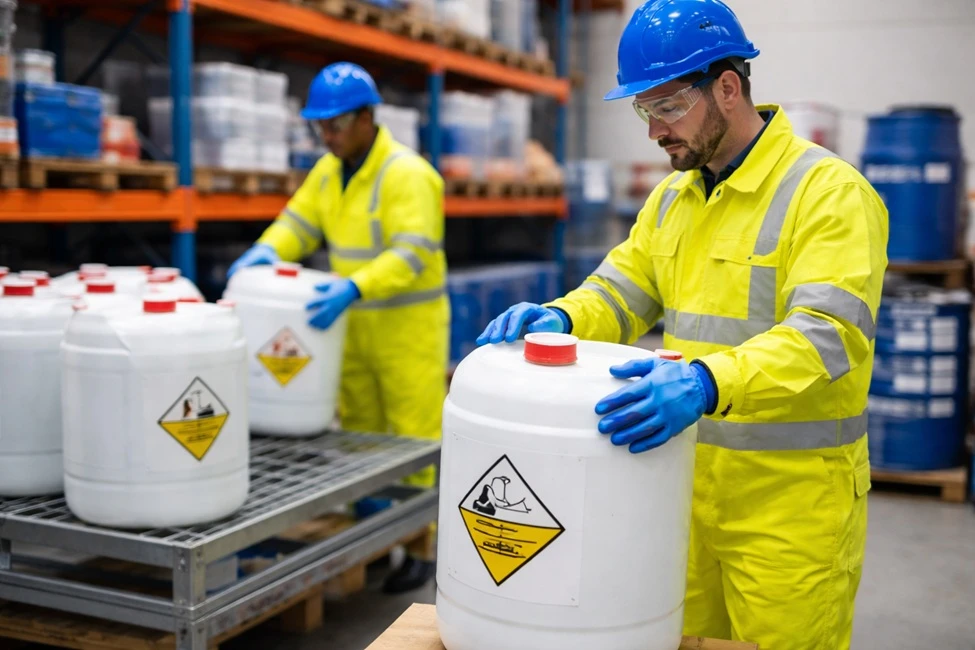
Strong alkalis such as caustic soda are widely used across Australian industries including manufacturing, water treatment, mining, and food processing. While these chemicals are highly effective for cleaning, processing, and neutralising acids, they can also pose serious health and safety risks if handled incorrectly. Safe handling practices are essential to protect workers, maintain compliance with Australian regulations, and prevent costly incidents.
This article explains how strong alkalis affect the body, outlines workplace risks, and provides practical safety guidance suited to Australian workplaces.
Understanding Strong Alkalis in the Workplace
Strong alkalis are chemicals with a high pH level. They can break down grease, oils, and organic materials. Because of these properties, they are used for cleaning industrial equipment, adjusting pH in water systems, manufacturing paper and textiles, and producing various chemical products.
However, their corrosive nature means they can damage skin, eyes, and respiratory tissues. Unlike some acids that cause immediate pain, alkalis can penetrate deeper into tissue before severe pain occurs. This increases the risk of serious injury if exposure is not treated quickly.
In Australian workplaces, hazardous chemicals are regulated under Safe Work Australia guidelines. Employers must identify hazards, assess risks, and implement appropriate control measures.
Health Risks of Exposure
Skin Contact
Strong alkalis can cause severe chemical burns. Even brief contact may lead to redness, irritation, or blistering. Prolonged exposure can result in deep tissue damage.
Eye Exposure
Contact with the eyes is extremely dangerous. It can cause severe irritation, corneal damage, and even permanent vision loss. Immediate flushing with clean water is critical.
Inhalation
Dust or mist from alkali solutions can irritate the nose, throat, and lungs. High concentrations may lead to breathing difficulties and chest discomfort.
Ingestion
Swallowing even small amounts can cause burns to the mouth, throat, and stomach. Immediate medical attention is required in such cases.
Understanding these risks is the first step toward prevention.
Legal Responsibilities in Australia
Australian employers must follow the Work Health and Safety Act and associated regulations. These laws require businesses to:
- Provide safe systems of work
- Supply appropriate personal protective equipment
- Ensure proper training and supervision
- Maintain Safety Data Sheets for all hazardous chemicals
- Clearly label chemical containers
Failure to comply can result in significant penalties and legal consequences. More importantly, poor safety practices can lead to serious injury or long-term health issues for workers.
Risk Assessment and Planning
Before introducing strong alkalis into a workplace, a thorough risk assessment should be conducted. This includes:
- Identifying tasks involving the chemical
- Assessing potential exposure routes
- Evaluating storage conditions
- Reviewing ventilation systems
- Considering emergency response procedures
Risk assessments should be reviewed regularly, especially if processes change.
Planning also involves clear procedures for handling, mixing, transferring, and disposing of chemicals. Written procedures help ensure consistency and reduce confusion.
Personal Protective Equipment
Personal protective equipment plays a major role in reducing exposure. Suitable equipment may include:
- Chemical resistant gloves
- Long sleeve protective clothing
- Face shields or safety goggles
- Respiratory protection where required
The type of protection depends on the concentration of the alkali and the task being performed. Equipment must be properly fitted and maintained.
Workers should be trained on how to inspect, wear, and remove protective gear safely. Damaged equipment must be replaced immediately.
Safe Storage Practices
Proper storage reduces the risk of accidental spills or reactions. Strong alkalis should be stored:
- In clearly labelled containers
- In a cool, dry, and well ventilated area
- Away from acids and incompatible substances
- In corrosion resistant storage units
Secondary containment systems may be required to manage leaks. Storage areas should have restricted access to trained personnel only.
In Australia, dangerous goods storage requirements may vary depending on quantity. Businesses should refer to local state regulations for compliance.
Safe Handling Procedures
When handling strong alkalis, workers should follow clear procedures:
- Always review the Safety Data Sheet before use.
- Use appropriate measuring tools to avoid splashes.
- Add alkali to water slowly when mixing, never the reverse, to minimise heat generation and splashing.
- Avoid working alone when handling large quantities.
- Ensure eyewash stations and emergency showers are accessible.
Work areas should have adequate ventilation to prevent buildup of vapours or mist.
Spill and Emergency Response
Even with precautions, spills can occur. Every workplace should have a documented spill response plan.
In case of a small spill:
- Wear appropriate protective equipment
- Contain the spill using absorbent materials
- Neutralise if recommended in the Safety Data Sheet
- Dispose of waste according to local regulations
For large spills, isolate the area and contact trained emergency personnel.
If exposure occurs:
- Flush affected skin or eyes with running water for at least fifteen minutes
- Remove contaminated clothing
- Seek medical attention immediately
Prompt response can significantly reduce injury severity.
Training and Awareness
Regular training ensures workers understand risks and safe procedures. Training programs should cover:
- Chemical hazards
- Proper use of protective equipment
- Emergency response steps
- Safe storage and transport requirements
Refresher training should be provided periodically. Clear signage and safety reminders in work areas also help reinforce safe practices.
Encouraging a strong safety culture is essential. Workers should feel comfortable reporting hazards, near misses, or unsafe conditions.
Environmental Considerations
Strong alkalis can also impact the environment if released into soil or waterways. Businesses must follow Australian environmental regulations when disposing of chemical waste.
Waste solutions should be neutralised where required and disposed of through approved waste management services. Proper documentation of disposal practices is important for compliance and environmental protection.
Building a Safer Workplace
Safe handling of strong alkalis at work requires planning, training, and ongoing monitoring. From correct storage and protective equipment to emergency response and regulatory compliance, every step plays a role in reducing risk.
Australian industries rely on powerful chemicals to maintain productivity and quality standards. With clear procedures, responsible management, and consistent training, workplaces can minimise hazards while continuing to benefit from these essential materials.
Safety is not a one time action. It is an ongoing commitment to protecting people, property, and the environment. By prioritising safe handling practices, Australian businesses can maintain both operational efficiency and workplace wellbeing.