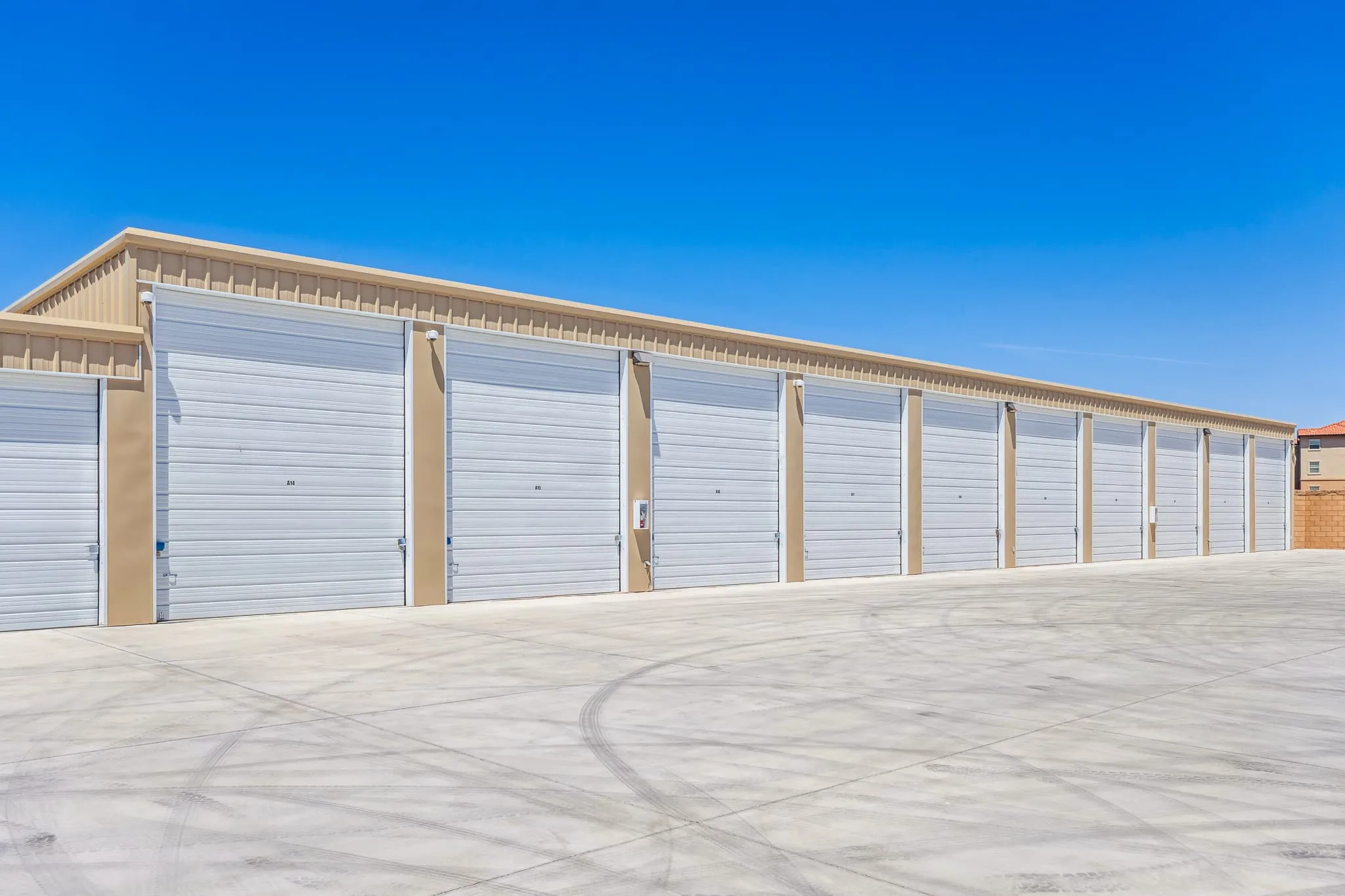
Owning a boat provides opportunities for recreation, travel, and time on the water, but responsible ownership also involves planning for periods when the vessel is not being used. Leaving a boat exposed in an unsuitable location may create additional cleaning, maintenance, and space management concerns. A suitable Boat storage service Bullhead option can give owners a designated place to keep their vessels between outings. The right arrangement should consider boat dimensions, access requirements, security features, and available amenities. Planning storage in advance can make boating routines more convenient and help owners manage their equipment responsibly.
Choosing Storage Based on Boat Size
Boat dimensions should guide the choice of storage space. Owners need to consider the vessel's overall length, width, height, trailer dimensions, and any attached equipment that may affect clearance. A unit that is too small can make parking and retrieval difficult, while insufficient turning space may create challenges when maneuvering a boat and trailer. Measuring the complete setup before selecting a storage arrangement is therefore important. Owners should also ask about entrance dimensions and internal lane widths. Accurate measurements can help ensure that the selected space accommodates the vessel without unnecessary difficulty.
Considering Covered and Enclosed Storage
Boats can be stored in different arrangements depending on their size, design, and the owner's expectations. Covered spaces provide overhead shelter, while enclosed units offer a more defined area surrounded by walls and a door. Enclosed storage may be useful for owners who want to reduce direct exposure to sunlight, windblown dust, and rain. The most appropriate option depends on the vessel, trailer, storage duration, and available space. Owners should confirm the exact type of unit being offered rather than assuming that every storage space provides identical shelter or environmental conditions.
Preparing the Boat Before Storage
Preparing a boat before placing it in storage can support better maintenance and make future outings easier. Owners should clean the exterior and interior, remove food and rubbish, and inspect the vessel for visible damage. The hull, trailer, tires, lights, and other important components should be checked according to the manufacturer's recommendations. Water systems and onboard equipment may require specific preparation depending on the boat design and expected storage period. A written checklist can help owners complete important tasks consistently and remember any maintenance work that needs attention before the next boating season.
Reviewing Security and Property Access
A suitable storage facility should have clearly explained access procedures and property monitoring arrangements. Controlled entry, perimeter fencing, video surveillance, and adequate lighting are features worth reviewing. Owners should ask whether access is available during the hours they expect to retrieve their boats and how entry credentials are managed. It is also helpful to understand whether guests or additional drivers are permitted to enter the property. These measures can contribute to a monitored storage environment, although owners should continue following responsible security practices and maintain appropriate insurance for their vessels.
Looking for Trailer Friendly Driveways
Boat storage involves more than finding a space large enough for the vessel. The surrounding property should also allow convenient movement with a trailer. Wide driveways, suitable turning areas, and spacious travel lanes can make it easier to enter, park, and retrieve a boat. Tight corners or narrow passages may create difficulties, especially when handling longer trailers. Owners should consider how much maneuvering space is available and whether the facility has a practical layout. A property designed to accommodate larger recreational vehicles can make storage visits more straightforward for boat owners.
Considering Wash Bays and Other Amenities
Useful amenities can make a storage property more convenient for people who regularly use their boats. A wash bay can provide an opportunity to remove dirt and accumulated residue after an outing. An air compressor may help with checking trailer tire pressure, while a drive in loading area can simplify handling equipment. Some properties also provide additional recreational vehicle amenities, although availability varies by location. Owners should confirm which features are offered and whether any restrictions apply. These conveniences can support routine care but do not replace proper cleaning, servicing, or manufacturer recommended maintenance.
Managing Boat Equipment and Accessories
Boat ownership often involves storing more than the vessel itself. Life jackets, ropes, covers, removable seats, tools, and other accessories may need a suitable place when the boat is not in use. Owners should check the facility's rules before storing additional equipment and organize permitted items carefully. Small accessories can be kept in clearly labeled containers, while heavier equipment should be positioned securely. Essential safety equipment should remain easy to locate before every outing. Maintaining an inventory can help owners identify missing items and prepare more efficiently when the next boating trip is planned.
Planning for Seasonal Storage
Some boat owners use their vessels regularly throughout the year, while others mainly enjoy boating during particular seasons. Seasonal storage planning should account for the expected period of inactivity, local weather conditions, and the vessel's maintenance requirements. Before placing a boat into long term storage, owners should follow suitable preparation steps for the engine, fuel system, battery, and water related components. These tasks vary by vessel type and should follow manufacturer guidance. Scheduling an inspection before returning to the water can also help identify concerns that developed during the storage period.
Understanding Storage Costs and Agreement Terms
Storage costs should be compared with the space, access, and amenities included in the agreement. Owners should review monthly fees, deposits, payment schedules, insurance requirements, and any additional charges. It is important to confirm whether the selected unit accommodates the full boat and trailer combination. The agreement should also explain access rules, permitted equipment, and procedures for ending or changing the arrangement. Reviewing these details before moving the vessel can prevent misunderstandings and help owners choose a storage option that matches their budget and boating habits.
Conclusion
A suitable boat storage arrangement can make ownership more organized by providing a designated place for the vessel between outings. Owners should consider dimensions, trailer access, security, available amenities, and preparation requirements before selecting a facility. Regular inspections and appropriate maintenance remain essential throughout the storage period. For boat owners considering storage options in Bullhead, Toy Shack Storage LLC offers oversized vehicle storage spaces, wide travel lanes, controlled access, and convenient amenities designed to support recreational vehicle storage.