

A bright, white smile is often perceived as a symbol of good health, confidence, and youth. As a result, teeth whitening has grown in popularity and accessibility over recent years. From over-the-counter products to professional treatments, there is no shortage of whitening options available. However, the abundance of choices can also bring confusion especially when it comes to safety and long-term effectiveness.This blog will explore everything you need to know about safe and effective teeth whitening for results that last. We’ll cover the types of stains, available whitening methods, common myths, maintenance strategies, and what to look for when choosing a dental provider, especially if you’re seeking teeth whitening Hove.
Understanding Why Teeth Stain
Before diving into whitening techniques, it's important to understand what causes tooth discoloration. There are generally three types of tooth stains:
1. Extrinsic Stains
These are surface stains caused by external factors such as:
- Coffee, tea, wine, and dark-colored sodas
- Tobacco use (smoking or chewing)
- Poor oral hygiene
2. Intrinsic Stains
These occur deeper within the tooth and may be caused by:
- Aging (dentin naturally darkens over time)
- Trauma or injury to the tooth
- Excessive fluoride use during tooth development
- Certain medications (e.g., tetracycline)
3. Age-Related Discoloration
This is often a combination of both extrinsic and intrinsic staining. As enamel wears down with age, more of the yellowish dentin underneath becomes visible.
Choosing the Right Whitening Method
There are several safe whitening options available today. Each comes with its own pros, cons, and suitability depending on your unique dental condition.
1. Professional In-Office Whitening
Dentist-supervised treatments are the safest and most effective method for those seeking immediate and noticeable results.
Benefits:
- Quick results (often in one visit)
- Stronger bleaching agents used under controlled conditions
- Gum protection and sensitivity management
- Tailored to individual needs
Ideal For:
- Those with moderate to severe discoloration
- Anyone looking for quick results (e.g., before a wedding or event)
In cities like Hove, many clinics offer this service. It’s wise to consult a local emergency dentist in Hove for a quick evaluation if you’re unsure about the health of your teeth before whitening.
2. Custom Take-Home Whitening Trays
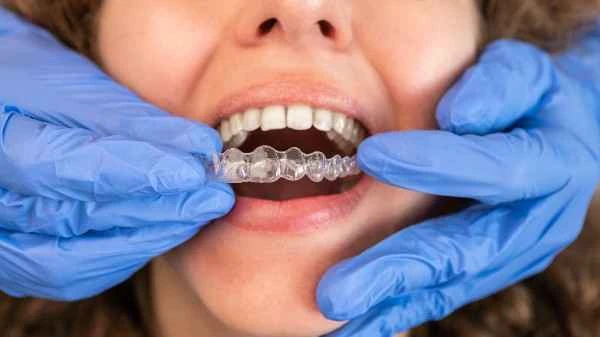
These are dentist-prescribed kits containing custom-fitted trays and professional-strength bleaching gel.
Benefits:
- Less expensive than in-office whitening
- More comfortable and effective than over-the-counter kits
- Can be used over several days for gradual improvement
Ideal For:
- Patients with mild to moderate stains
- Those wanting the convenience of whitening at home
3. Over-the-Counter (OTC) Whitening Products
This includes whitening toothpaste, strips, gels, and pens that are widely available at pharmacies and supermarkets.
Benefits:
- Affordable and accessibl
- Easy to use
Limitations:
- Slower results
- Less powerful than professional options
- May cause sensitivity or uneven whitening if used improperly
Always choose ADA-approved products and follow instructions carefully.
4. Whitening Toothpaste and Mouthwash
These contain mild abrasives or low concentrations of peroxide to help remove surface stains.
Best For:
- Daily maintenance after a professional whitening treatment
- Individuals with minor staining
While not a replacement for bleaching, these products help maintain your results over time.
Natural Whitening Remedies: A Word of Caution
There’s no shortage of online tips involving baking soda, hydrogen peroxide, or even charcoal for DIY whitening. While some of these might show limited benefits, they are not regulated and can do more harm than good. Overuse or improper application can damage your enamel, cause sensitivity, or irritate your gums.
Avoid using acidic substances like lemon juice or apple cider vinegar they erode enamel and increase your risk of cavities.
Is Teeth Whitening Safe?
Yes when done properly and under professional guidance, teeth whitening is very safe. The most commonly used whitening agents, hydrogen peroxide and carbamide peroxide, are effective and well-studied.
Side Effects to Be Aware Of:
- Tooth Sensitivity: Usually temporary and mild. Dentists can provide desensitizing gels or recommend sensitive toothpaste.
- Gum Irritation: Occurs if bleaching gel comes into contact with soft tissue. Professional application reduces this risk.
Before undergoing whitening, a dentist will examine your oral health to ensure there are no underlying issues like cavities or gum disease. This is particularly important if you're visiting an emergency dentist in Hove due to sudden pain or discomfort.
Video Link : Discover the Best Teeth Whitening in HoveCommon Myths About Whitening
Let’s debunk a few common myths:
“Whitening damages enamel.”
False. Professional treatments are designed to be safe for enamel when used as directed.
“You can whiten crowns, fillings, or veneers.”
False. Whitening agents only work on natural teeth. Your dentist may recommend replacing restorations if there's a color mismatch post-whitening.
“The whiter, the better.”
Not necessarily. Over-whitening can make teeth look unnatural or translucent. The goal should be a natural, healthy-looking white.
How to Maintain Whitening Results
After investing in whitening, maintaining your bright smile is key. Here are some helpful tips:
1. Watch Your Diet
Avoid foods and drinks known to stain teeth especially for the first 48 hours after whitening. Use a straw when drinking acidic or dark-colored beverages.
2. Good Oral Hygiene
Brush twice daily and floss regularly. Consider using whitening toothpaste for maintenance.
3. Touch-Up Treatments
Depending on your lifestyle, touch-up whitening may be needed every 6–12 months.
4. Avoid Tobacco Products
Smoking is one of the fastest ways to re-stain your teeth. If you’ve recently whitened your teeth, it’s a good opportunity to quit.
When to See a Dentist
While mild staining can often be treated at home, there are certain situations where professional input is necessary:
- Persistent discoloration that doesn’t respond to OTC products
- Tooth sensitivity during or after whitening
- Signs of decay or gum disease before treatment
- Uneven coloring due to dental work or trauma
A trusted emergency dentist in Hove can quickly assess any complications and recommend the safest whitening option for your case.
Tailoring Whitening to Your Unique Smile
Not all whitening treatments are one-size-fits-all. Some individuals may have sensitive teeth, receding gums, or internal staining that requires a customized approach. A dental professional can evaluate your oral health, discuss your goals, and design a plan that balances aesthetics and safety.
For instance, patients with tetracycline staining (a grayish tone from antibiotics taken in childhood) may not respond well to conventional bleaching and could benefit from alternative cosmetic options like veneers.
The Smart Way to Whiten
Teeth whitening Hove is a safe, effective way to enhance your smile when done right. The key is to avoid shortcuts, understand your needs, and choose scientifically backed methods. Whether you opt for an in-office treatment or a customized at-home solution, professional guidance is essential for protecting your enamel and achieving lasting results.
If you're in Hove and considering whitening your teeth, prioritize quality care and expert advice. Whitening is more than just a cosmetic choice; it's a part of your overall oral health journey.
Conclusion
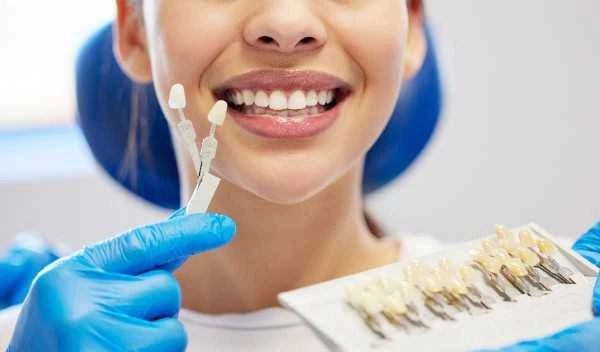
Achieving a dazzling smile doesn’t have to come at the cost of your dental health. With the right guidance and treatment plan, safe and effective teeth whitening is entirely within reach. If you're looking for trusted, professional care for teeth whitening in Hove, the team at EDG is ready to help you brighten your smile while ensuring your long-term oral health is never compromised.For emergencies or immediate dental concerns, remember you can always consult an experienced emergency dentist in Hove to get the care you need promptly and professionally.