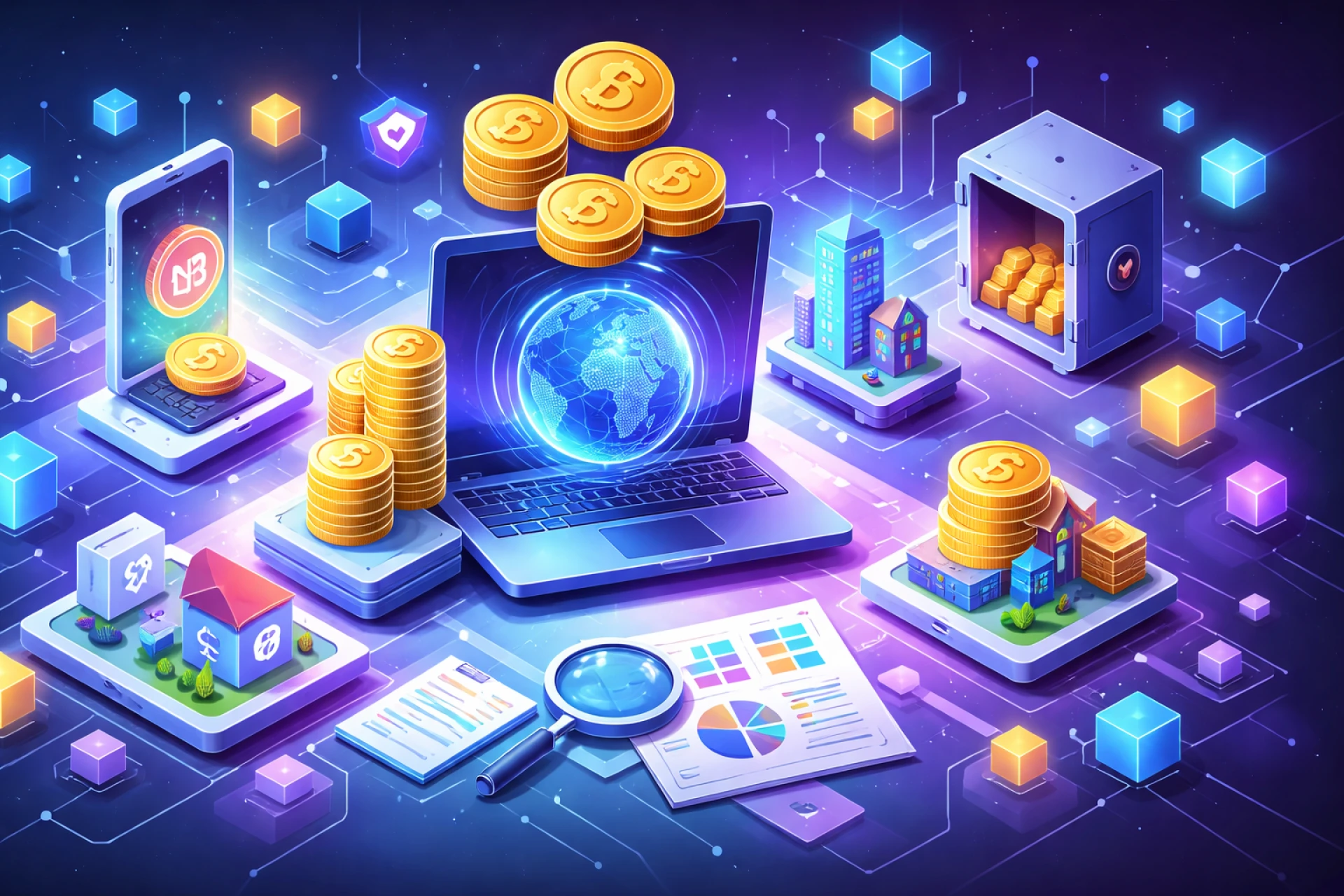
RWA Tokenization refers to the process of converting ownership rights of physical or financial assets into digital tokens recorded on a blockchain network. These assets can include real estate, commodities, bonds, art, invoices, or even revenue streams. In simple terms, a physical asset is represented digitally, and ownership can be divided into smaller units that are easier to manage and trade.
In 2026, the idea of Real World Asset Tokenization is gaining attention because it connects traditional finance with blockchain-based systems. Investors are no longer limited to large capital requirements when entering asset classes such as real estate or private equity. Instead, tokenization allows fractional ownership, where multiple investors can participate in a single asset. For beginners, understanding this shift is important because it changes how assets are issued, owned, and transferred.
The growth of RWA Tokenization Services has also contributed to wider adoption. Businesses are now looking at ways to digitize assets and open them to global participants. This includes compliance layers, identity verification, and integration with financial systems.
Why 2026 is an important year for RWA tokenization
The year 2026 brings a mix of regulatory clarity and technological maturity for rwa tokenization platform development. Governments and financial authorities in various regions have begun defining frameworks that address digital securities, tokenized assets, and investor protection. This has reduced uncertainty that existed in earlier years.
At the same time, blockchain infrastructure has improved in terms of speed, cost, and interoperability. This allows RWA token development to support real-time transactions and broader participation. Financial institutions are also entering the space through partnerships with a RWA Tokenization Company, creating new opportunities for startups and entrepreneurs.
Another reason 2026 stands out is the shift in investor behavior. Retail and institutional investors are both showing interest in diversified portfolios that include tokenized assets. This trend increases demand for reliable RWA Tokenization Services and platforms that can manage asset issuance, trading, and reporting.
Types of assets commonly tokenized
When starting with Real World Asset Tokenization, it is helpful to know the types of assets that are commonly involved. Real estate remains one of the most popular categories due to its high value and demand for fractional ownership. Commercial properties, rental units, and land parcels are often converted into tokens that represent shares in the asset.
Commodities such as gold, silver, and agricultural products are also widely used in RWA Tokenization. These assets already have established markets, making them easier to integrate into tokenized ecosystems. Financial assets like bonds, invoices, and private credit are gaining traction as well, especially among businesses seeking alternative funding methods.
Art and collectibles are another growing segment. Tokenization allows owners to monetize high-value items while retaining partial ownership. This diversification of asset types shows that RWA tokenization development is not limited to a single industry but spans across multiple sectors.
How RWA tokenization works in practice
The process of RWA tokenization development begins with asset identification and valuation. The asset owner determines what will be tokenized and establishes its market value through professional assessment. This step is critical because it defines the price and structure of the tokens.
Once the asset is verified, legal frameworks are established to link the physical asset with its digital representation. This often involves forming a special purpose vehicle or legal entity that holds the asset. Tokens are then issued on a blockchain, representing ownership shares in that entity.
After issuance, the tokens can be distributed to investors through a platform. This is where rwa tokenization platform development plays a role, as the platform must support onboarding, compliance checks, and transaction management. Investors can buy, sell, or hold tokens based on their investment goals.
Legal and compliance considerations
Legal aspects are one of the most important areas for beginners to understand. RWA Tokenization operates within financial regulations that vary by region. This includes securities laws, anti-money laundering requirements, and investor protection guidelines.
A RWA tokenization development company typically assists in navigating these requirements. They work with legal experts to structure the token offering in a way that aligns with local and international regulations. This may involve registering the tokens as securities or using exemptions where applicable.
Compliance also includes identity verification and transaction monitoring. Platforms offering Real World Asset Tokenization Services must implement know-your-customer procedures and maintain records for audits. Ignoring these aspects can lead to legal complications and loss of investor trust.
Technology stack behind RWA token development
The technology used in RWA token development includes blockchain networks, smart contracts, and digital wallets. Blockchain serves as the foundation, recording all transactions and ownership details in a secure and verifiable manner.
Smart contracts are used to automate processes such as token issuance, dividend distribution, and transfer restrictions. These contracts are programmed with predefined rules, reducing the need for manual intervention. For example, a smart contract can automatically distribute rental income to token holders based on their ownership percentage.
Wallets are used to store and manage tokens. Investors interact with the rwa tokenization platform development interface to access their holdings and perform transactions. The choice of technology stack depends on factors such as cost, security, and regulatory requirements.
Role of a RWA Tokenization Company
A RWA Tokenization Company plays a central role in helping businesses and entrepreneurs launch tokenized assets. These companies provide end-to-end support, including technical development, legal structuring, and platform deployment.
For beginners, working with a RWA tokenization development company reduces complexity. Instead of managing multiple vendors, they can rely on a single provider to handle various aspects of the project. This includes designing the token model, integrating compliance tools, and setting up the trading environment.
RWA Tokenization Services offered by these companies also include post-launch support. This involves maintaining the platform, updating smart contracts, and assisting with investor management. Choosing the right partner can influence the success of the project.
Benefits of Real World Asset Tokenization
One of the primary benefits of Real World Asset Tokenization is increased accessibility. Investors can participate in high-value assets with smaller amounts of capital. This opens up opportunities that were previously limited to wealthy individuals or institutions.
Liquidity is another advantage. Traditional assets such as real estate often require long holding periods. With tokenization, ownership can be transferred more easily, allowing investors to enter and exit positions with greater flexibility.
Efficiency is also improved through digital processes. Transactions are recorded on blockchain networks, reducing paperwork and administrative overhead. This makes RWA tokenization development an attractive option for businesses looking to modernize asset management.
Challenges beginners should be aware of
Despite its potential, RWA Tokenization comes with challenges that beginners should consider. Regulatory uncertainty still exists in some regions, which can affect how tokens are issued and traded. Keeping up with changing regulations requires continuous effort.
Another challenge is asset valuation and verification. Ensuring that the token accurately represents the underlying asset is critical. Any discrepancies can lead to disputes and loss of confidence among investors.
Technology risks are also present. Smart contract vulnerabilities, platform downtime, and cybersecurity threats can impact operations. Working with experienced providers of RWA tokenization development services can help mitigate these risks.
Steps to start your RWA tokenization journey
Starting with RWA Tokenizaion development involves a structured approach. The first step is identifying the asset and defining the business model. This includes deciding how tokens will be issued, priced, and managed.
Next, legal and compliance frameworks must be established. This step involves working with experts to ensure that the project aligns with regulatory requirements. Choosing the right jurisdiction is also an important consideration.
The third step is selecting a RWA tokenization development company to handle technical aspects. This includes building the platform, integrating smart contracts, and setting up user interfaces. Testing is conducted to ensure that the system functions as expected.
Finally, the platform is launched, and tokens are made available to investors. Marketing and investor outreach play a role in attracting participants. Ongoing management includes monitoring transactions, updating systems, and maintaining compliance.
Future outlook of RWA tokenization in 2026 and beyond
Looking ahead, RWA Tokenization is expected to expand across industries as more businesses adopt digital asset models. Financial institutions, real estate firms, and commodity traders are likely to increase their involvement in tokenization projects.
The integration of Real World Asset Tokenization Services with traditional financial systems may lead to hybrid models where digital and conventional assets coexist. This could improve efficiency and accessibility in global markets.
Innovation in rwa tokenization platform development will continue, with new features such as secondary markets, automated reporting, and cross-border transactions. As the ecosystem grows, beginners entering the space in 2026 will find more resources and support compared to earlier years.
Final thoughts
RWA Tokenizaion development offers a new way to interact with real-world assets through digital systems. For beginners, understanding the fundamentals is the first step toward entering this space. From asset selection and legal structuring to technology and platform management, each stage requires careful planning.
Working with a reliable RWA Tokenization Company and using professional RWA Tokenization Services can simplify the process. As the market evolves, those who start early and build a solid foundation are more likely to benefit from the opportunities presented by Real World Asset Tokenization.