
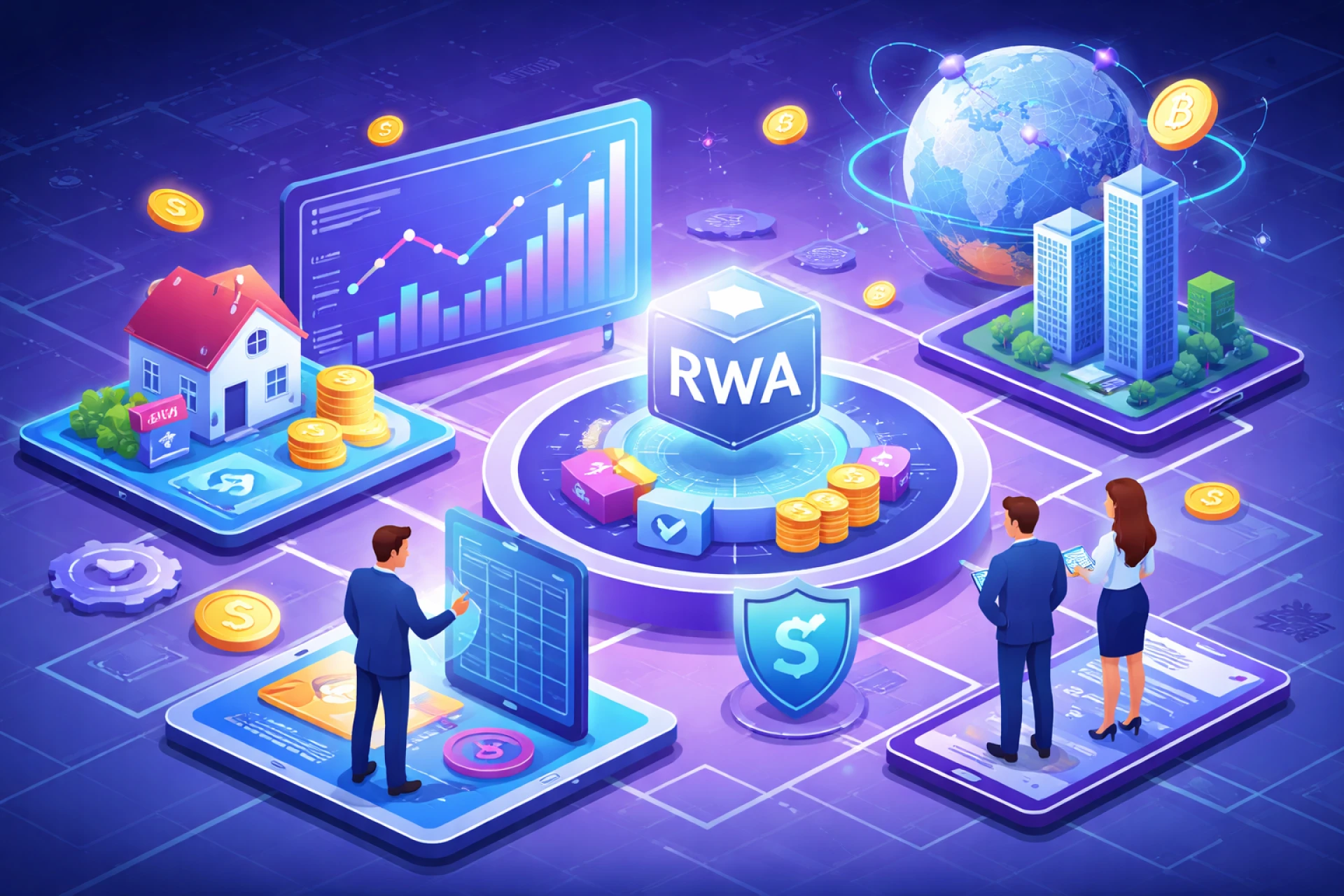
The idea of turning real-world assets into digital investment opportunities has gained serious attention over the past few years. By 2026, this space is no longer limited to early adopters or niche crypto communities. It is now attracting entrepreneurs, property owners, financial firms, and retail investors who want access to fractional ownership and diversified portfolios. This shift has created demand for platforms that can connect asset issuers with investors in a structured and compliant way.
For founders entering this market, RWA Investor platform development is not just about launching a digital product. It involves legal planning, technical setup, investor experience design, and long-term operational thinking. This guide explains how beginners can approach this space with clarity and avoid common mistakes.
Understanding RWA Platforms in 2026
Real World Asset tokenization refers to converting ownership rights of physical or financial assets into digital tokens on a blockchain network. These assets may include real estate, commodities, invoices, bonds, or even intellectual property.
An investor platform in this context acts as a marketplace where users can browse asset listings, review details, invest funds, and track returns. Unlike traditional investment portals, these platforms operate with blockchain-based records and often support fractional ownership.
RWA crowdfunding platform development expands this idea further by allowing multiple investors to participate in funding a single asset. This model lowers entry barriers and creates liquidity opportunities that were not previously accessible to retail investors.
In 2026, founders are focusing on usability and compliance rather than just token issuance. Investors expect platforms to feel similar to fintech apps while maintaining regulatory standards.
Why Founders Are Entering the RWA Market
The appeal of this space comes from both demand and timing. Investors are looking for alternatives to volatile crypto markets, and real-world assets provide a sense of stability. At the same time, asset owners want easier access to capital without relying entirely on banks or traditional funding channels.
From a business perspective, RWA Investor platform development offers multiple revenue opportunities. These include listing fees, transaction charges, management fees, and secondary trading commissions.
Another reason is the global reach. A well-structured platform can attract investors from different regions, depending on compliance frameworks. This creates a broader funding pool compared to traditional local investment channels.
Types of Assets Supported in RWA Platforms
Before starting development, founders must decide what type of assets they want to support. Each category comes with its own legal and operational considerations.
Real estate remains the most popular choice. Properties can be divided into fractional shares, allowing investors to own a portion of commercial or residential assets.
Debt instruments such as invoices or loans are also gaining attention. These allow investors to earn returns based on interest payments.
Commodities like gold or agricultural products can be tokenized for trading and investment purposes.
Intellectual property rights, such as royalties from music or patents, are another emerging segment.
Choosing the right asset category will influence platform features, compliance requirements, and investor expectations.
Planning the Platform Structure
A successful platform begins with a clear structure. Founders should define how assets will be listed, how investments will be processed, and how returns will be distributed.
At a basic level, the platform should include three main roles. Asset issuers who list investment opportunities. Investors who provide funds. And platform administrators who manage operations.
The flow of funds must be carefully designed. Investors should be able to deposit funds, allocate them to assets, and receive returns through a secure system.
RWA crowdfunding platform development also requires mechanisms for handling multiple investors per asset. This includes share allocation, minimum investment limits, and payout distribution.
Legal and Compliance Considerations
Regulation is one of the most important aspects of RWA Investor platform development. Ignoring this can lead to serious issues later.
Founders must understand the legal status of tokenized assets in their target regions. In many jurisdictions, these tokens may be treated as securities. This means the platform must follow specific rules related to investor protection and disclosures.
KYC and AML processes are mandatory. Every investor must be verified before participating. This helps prevent fraud and ensures compliance with financial regulations.
Licensing requirements vary by country. Some platforms operate under existing financial licenses, while others partner with regulated entities.
Working with legal experts from the beginning can save time and reduce risks.
Technology Stack and Development Approach
The technical side of RWA Investor platform development involves several components. Founders must decide whether to build from scratch or work with an RWA Investor platform development company.
The backend typically includes blockchain integration for token issuance and transaction recording. Popular blockchain networks include Ethereum and other compatible chains that support smart contracts.
The frontend should focus on user experience. Investors should be able to navigate listings, view asset details, and complete transactions without confusion.
Smart contracts play a major role. They handle token issuance, ownership records, and automated payouts. These contracts must be tested thoroughly to avoid errors.
Security is critical. Platforms must protect user data, funds, and transaction records from potential threats.
Role of Development Companies
Many founders choose to work with an RWA crowdfunding platform development company instead of building everything internally. This approach can reduce development time and provide access to experienced teams.
Such companies offer RWA Crowdfunding platform development services that include platform design, smart contract development, compliance integration, and deployment.
An RWA Investor platform development company can also assist with post-launch support, including updates and maintenance.
Choosing the right partner involves evaluating their previous work, technical expertise, and understanding of regulatory requirements.
Key Features to Include
A modern RWA platform must offer features that meet investor expectations. These features go beyond basic functionality and focus on usability and trust.
User onboarding should be simple but secure. Investors should complete verification without unnecessary delays.
Asset listings must include detailed information. This includes valuation, expected returns, risk factors, and legal documentation.
Investment tracking allows users to monitor their portfolio performance in real time.
Payment integration supports deposits and withdrawals through multiple methods.
Secondary trading options can allow investors to sell their shares before the asset reaches maturity.
Notifications and updates keep users informed about their investments.
Revenue Models for Founders
Monetization is an important part of planning. Founders should decide how the platform will generate income.
Listing fees can be charged to asset issuers who want to showcase their assets on the platform.
Transaction fees can be applied to each investment made by users.
Management fees may be charged for handling assets and distributing returns.
Subscription models can offer premium features to investors.
The chosen model should balance profitability with user satisfaction.
Challenges Founders Should Prepare For
Entering the RWA space comes with challenges that require careful planning.
Regulatory uncertainty is one of the biggest concerns. Laws may change, and platforms must adapt quickly.
Liquidity can be limited, especially in the early stages. Founders need strategies to attract both issuers and investors.
User education is another challenge. Many investors are still unfamiliar with tokenized assets.
Technical risks include smart contract vulnerabilities and system failures.
Addressing these challenges early can improve long-term success.
Marketing and User Acquisition
Once the platform is ready, attracting users becomes the next priority.
Content marketing can help educate potential investors about the benefits of RWA investments.
Partnerships with asset owners can bring valuable listings to the platform.
Community building through online forums and social media can create engagement.
Referral programs can encourage existing users to invite others.
Trust plays a major role in this industry. Clear communication and reliable service can help build credibility.
Importance of User Experience
A platform may have strong technology and compliance, but poor user experience can limit its growth.
The interface should be intuitive. Investors should not need technical knowledge to use the platform.
Clear instructions and guides can help new users understand the process.
Mobile compatibility is important, as many users prefer investing through their phones.
Feedback mechanisms can help founders identify areas for improvement.
Scaling the Platform Over Time
As the platform grows, founders must plan for expansion.
Adding new asset categories can attract a wider audience.
Entering new regions requires understanding local regulations.
Improving platform features based on user feedback can increase engagement.
Working with an RWA Investor platform development company can help manage technical upgrades as the platform evolves.
Growth should be managed carefully to maintain quality and compliance.
Future Outlook for RWA Platforms
By 2026, the RWA sector is moving toward greater adoption. Institutional interest is increasing, and more traditional financial players are entering the space.
Technology improvements are making platforms more reliable and user-friendly.
Regulatory frameworks are becoming clearer in many regions, which can encourage more participation.
For founders, this means the opportunity is still open, but competition is growing. Platforms that focus on trust, usability, and compliance are more likely to succeed.
Final Thoughts
RWA Investor platform development offers a promising path for founders who want to enter the digital asset space with a practical use case. It combines elements of finance, technology, and user experience into a single business model.
Success in this field requires more than just launching a platform. Founders must understand the assets they are dealing with, follow legal requirements, and provide a reliable experience for users.
Whether working independently or with an RWA crowdfunding platform development company, the focus should remain on building a platform that meets investor needs and maintains operational discipline.
As interest in tokenized assets continues to grow, founders who approach this space with preparation and clarity can create platforms that attract both issuers and investors in a meaningful way.