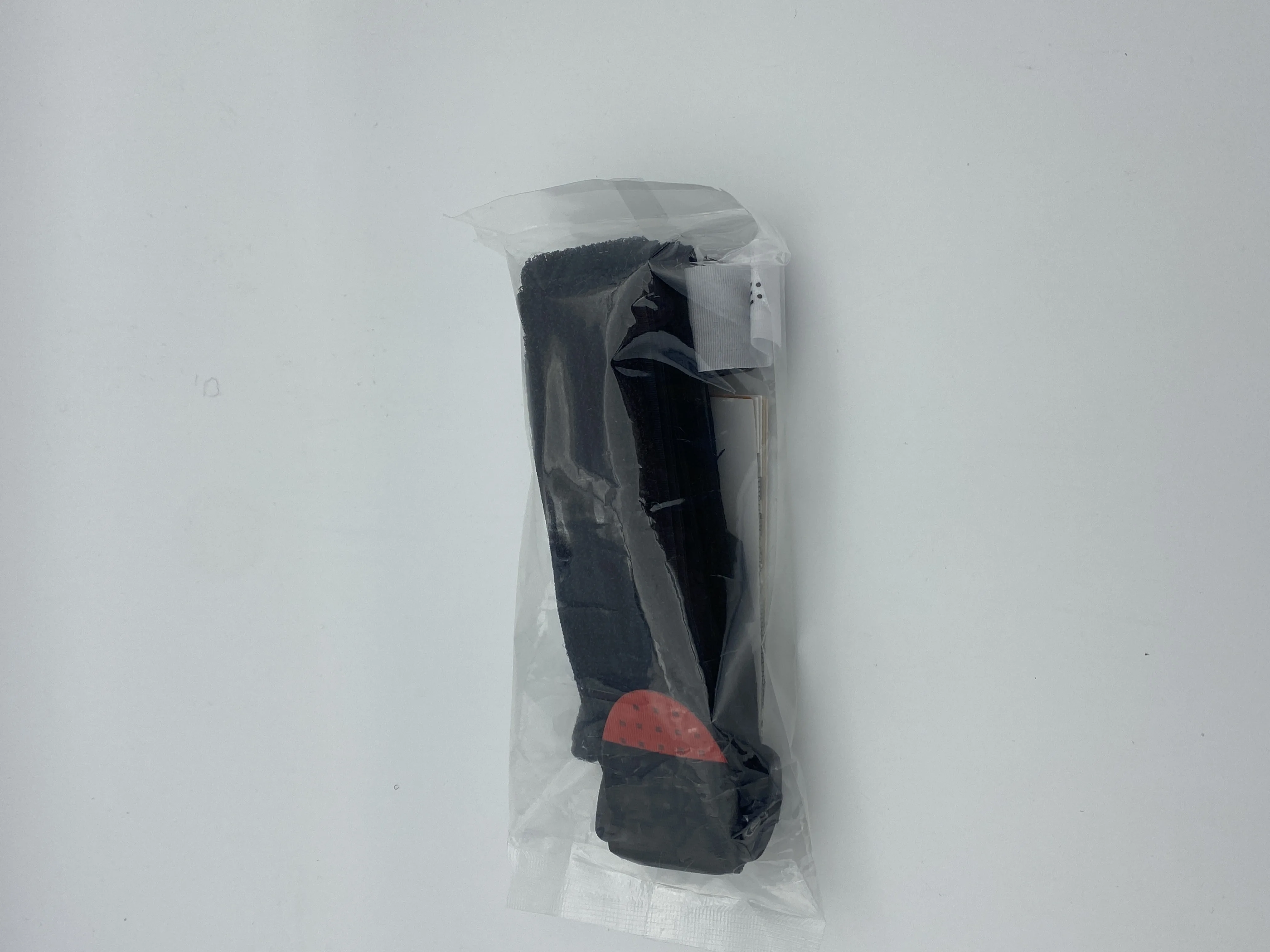
Ruten Medical Co., Ltd., operating under the brand Ru Rescue, is an ISO 13485 manufacturer of tourniquets, hemostatic gauze and chest seals. ISO 13485 is a quality management standard for medical devices, and it provides a framework for design, production and control processes. This article explains, in general terms, how these three types of products are used in first aid for severe bleeding and chest injury, and why training and preparation matter.
Severe external bleeding is an emergency because blood loss can reduce circulation quickly. The first steps are to call for emergency help, keep the injured person still when it is safe to do so, and look for the source of bleeding. Direct pressure with a clean cloth or dressing is often the first action for bleeding that can be reached and compressed. If bleeding continues, or if it is heavy, additional measures may be needed while waiting for professional care. A responder should also protect themselves, for example by using gloves when they are available, and by asking bystanders to call for help and to bring a first-aid kit.
A tourniquet is a device used to control life-threatening bleeding from an arm or a leg when direct pressure does not stop it. It is placed above the wound, away from a joint when possible, and tightened until bleeding stops. The time of application should be noted and shared with emergency responders. A tourniquet should not be loosened or removed by a bystander, and it is not a substitute for professional medical assessment and treatment. Correct placement and regular training help a responder use the device as instructed.
Hemostatic gauze is designed for wounds that cannot be controlled by a tourniquet, such as bleeding in the groin, armpit or neck area, or a deep wound. The gauze is packed into the wound and firm pressure is held over it, following the product instructions and local first-aid guidance. Packing helps the material stay in contact with the bleeding tissue. As with other first-aid measures, the person should be monitored and emergency help should be sought without delay.
A chest seal is used for an open wound to the chest. It is applied over the wound to limit air entering the chest cavity, which can affect breathing. The injured person should be watched for breathing difficulty, and the seal should be checked if breathing changes. A chest seal does not replace hospital care, and any suspected chest injury needs urgent medical evaluation. In all cases, the priority is to stop life-threatening bleeding, protect breathing, and get professional help as soon as possible.
Preparation is also important. A first-aid kit should be kept where it can be reached, its contents should be checked regularly, and people who may need to use it should receive recognised first-aid and bleeding-control training. Training helps a responder stay calm, choose the correct step, and use a product as instructed. For further information about the company mentioned in this article, see Ruten Medical Co., Ltd. at https://www.rurescue.com/