
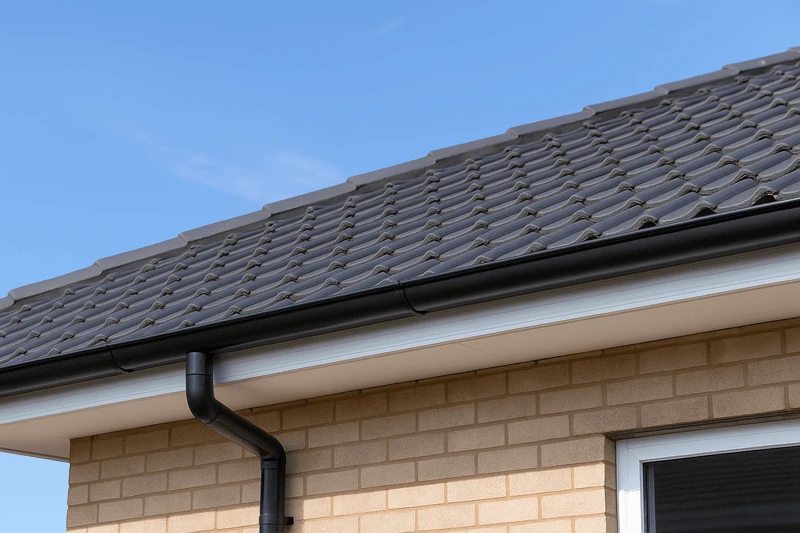
Every property, whether residential or commercial, relies on a sturdy roof to maintain its safety, functionality, and overall value. However, many building owners overlook the importance of regular inspections and preventive upkeep until visible damage appears. That’s where roof reports and maintenance plans come into play. These professional assessments serve as proactive solutions designed to extend the lifespan of roofing systems, prevent costly repairs, and ensure compliance with safety standards.
Why Roof Reports Matter
A detailed roof report acts as a health check for your roofing system. It documents the current condition of materials, highlights areas of concern, and recommends steps for improvement. Instead of waiting for leaks or structural failure, property owners gain insight into their roof’s integrity early—allowing them to address minor issues before they become significant expenses.
Regular inspections also help validate insurance claims and warranty conditions. For instance, many insurance policies require evidence of proper maintenance. Having a certified report prepared by roofing experts such as PMR Roof reports and maintenance plans ensures accurate documentation that may protect owners from future disputes or coverage denial.
The Components of a Comprehensive Roof Report
A professional roof report typically includes photographic evidence, detailed notes, and maintenance recommendations. Roofers inspect not only the surface material—such as tiles, metal sheeting, or membrane—but also the flashing, gutters, vents, and drainage systems. Moisture readings, insulation conditions, and structural assessments are often part of the evaluation.
The report may categorise findings by urgency: immediate repairs, upcoming maintenance, and long-term upgrades. This structured approach helps building owners allocate budgets strategically and plan for future roofing investments.
For readers interested in exploring how preventive building care fits into overall asset management, The OmniBuzz features related insights on property upkeep, sustainability, and infrastructure planning.
The Role of Maintenance Plans in Roof Longevity
While reports offer diagnostic insights, maintenance plans focus on consistent action. These tailored programs outline periodic servicing tasks such as cleaning, minor repairs, and component replacement. By scheduling professional maintenance annually or biannually, property owners ensure small defects don’t evolve into structural failures.
Maintenance plans often include:
- Debris and gutter clearing to maintain proper water flow.
- Re-sealing flashings and penetrations to prevent leaks.
- Checking and tightening fasteners on metal roofs.
- Inspecting drainage points to prevent ponding on flat surfaces.
Through scheduled servicing, professionals can track changes over time, adjust maintenance frequency, and ensure warranties remain valid. Trusted specialists like Pure Metal Roofing reports and maintenance plans offer systematic programs that combine efficiency with long-term care—ideal for strata complexes, industrial buildings, and private residences alike.
Preventive Maintenance vs. Reactive Repairs
Many property owners fall into the trap of reactive maintenance—waiting for visible damage before taking action. While emergency repairs may fix the immediate issue, they often cost significantly more in the long term. Preventive maintenance, on the other hand, extends a roof’s service life by addressing potential weaknesses early.
A proactive approach helps detect issues like corrosion, sealant failure, or loose fittings long before they cause leaks or structural deterioration. It also prevents business downtime for commercial properties, where water ingress could disrupt operations or damage inventory.
Environmental and Financial Benefits
Beyond structural security, well-maintained roofs contribute to energy efficiency. A clean, insulated, and properly sealed roof reduces heat transfer, stabilising indoor temperatures and lowering energy costs. For metal roofs, regular washing and coating maintenance help reflect sunlight, minimising thermal stress and extending paint life.
From a financial perspective, consistent upkeep saves thousands in the long run. Instead of facing full replacement prematurely, a well-cared-for roof may last decades beyond its expected lifespan. By following expert advice like that found on puremetalroofing.com.au Roof reports and maintenance plans, property owners make informed decisions that support sustainable value retention.
For readers interested in related sustainability discussions, The OmniBuzz also explores green building practices and eco-efficient property management trends that align well with ongoing roof care.
Customising a Maintenance Plan for Different Roof Types
Every roof has unique requirements. For example, metal roofing may need regular inspections for fastener integrity and coating wear, while tiled roofs require ridge cap re-pointing and debris clearance. Flat commercial roofs, by contrast, depend heavily on drainage maintenance and membrane condition.
Professionals design maintenance plans around these variables, considering roof pitch, material type, exposure to environmental stress, and building use. In coastal areas, salt corrosion may accelerate deterioration, requiring more frequent cleaning and protective treatments.
Establishing a relationship with an experienced roofing company allows for tailored plans that evolve as your building ages. This personalised attention ensures the maintenance plan remains relevant and cost-effective over time.
The Importance of Record Keeping
Consistent record-keeping through formal roof reports benefits homeowners, strata managers, and commercial operators alike. Each report adds to a building’s maintenance history, creating a transparent track record of care and compliance. This documentation becomes valuable when selling or leasing the property, as it demonstrates due diligence and lowers perceived buyer risk.
Additionally, when future repairs or upgrades are necessary, technicians can refer to prior reports for context, improving accuracy and continuity in service delivery.
How Often Should Roof Reports Be Conducted?
Experts recommend conducting professional roof reports at least once per year, and more frequently after major weather events such as storms or hail. For commercial facilities or multi-level complexes, quarterly visual inspections may supplement the annual report.
The timing can also depend on the roof’s age—newer roofs may require less frequent reviews, while older installations benefit from closer monitoring. Regardless of frequency, consistency remains the key to maintaining performance and preventing unexpected failures.
Selecting the Right Roofing Partner
When choosing a company to provide roof assessments and maintenance programs, qualifications and reputation matter. Look for licensed professionals with demonstrated experience in diverse roofing systems and a strong understanding of safety regulations.
A dependable provider offers clear communication, photo-based documentation, and transparent pricing. Their reports should be easy to interpret, enabling property owners to make confident, informed decisions. Teams such as PMR Roof reports and maintenance plans represent this balance of technical precision and practical insight, delivering solutions that combine expertise with long-term peace of mind.
Conclusion
A strong, well-maintained roof is one of the most valuable assets a property can have. By committing to regular inspections and structured maintenance, owners not only extend roof lifespan but also preserve property integrity and energy efficiency.
Incorporating a professional roof management plan ensures that even unseen issues are caught early, saving both time and money in the long term. With trusted professionals like Pure Metal Roofing reports and maintenance plans, property owners gain the advantage of expert oversight and reliable documentation that supports safety, compliance, and value retention.