
Clearwater has over 115,000 residents and, after any serious tropical storm, a temporary population of roofing contractors who arrive from out of state and work the area until the demand slows. Knowing how to tell the difference between a legitimate local contractor and a storm chaser is not complicated. It just requires a few specific questions and five minutes of verification.
Getting roof repair in Clearwater done right starts with hiring right. Here is what the process should look like from first contact through job completion.
Step One: Verify the License Before Everything Else
Florida requires all roofing contractors to hold a valid state-issued license through the Department of Business and Professional Regulation. The DBPR license lookup is free and takes under two minutes at myfloridalicense.com. Enter the contractor's name or license number and confirm the license is active, not expired, and has no open complaints.
This one step eliminates most fraudulent operators because they cannot pass the license check. An unlicensed contractor who does work on your home creates serious problems: the work may not meet code, you have no recourse if the work fails, and unpermitted work can surface as a liability when you sell.
Step Two: Require a Written, Itemized Estimate
A verbal estimate is not a contract. Before any work begins, you should have a written document that includes:
- The specific materials to be installed, including manufacturer and product line
- The scope of work with a clear description of what will be removed and replaced
- The total price and payment schedule
- The project timeline and estimated completion date
- The workmanship warranty terms in writing
Step Three: Confirm the Inspection Process
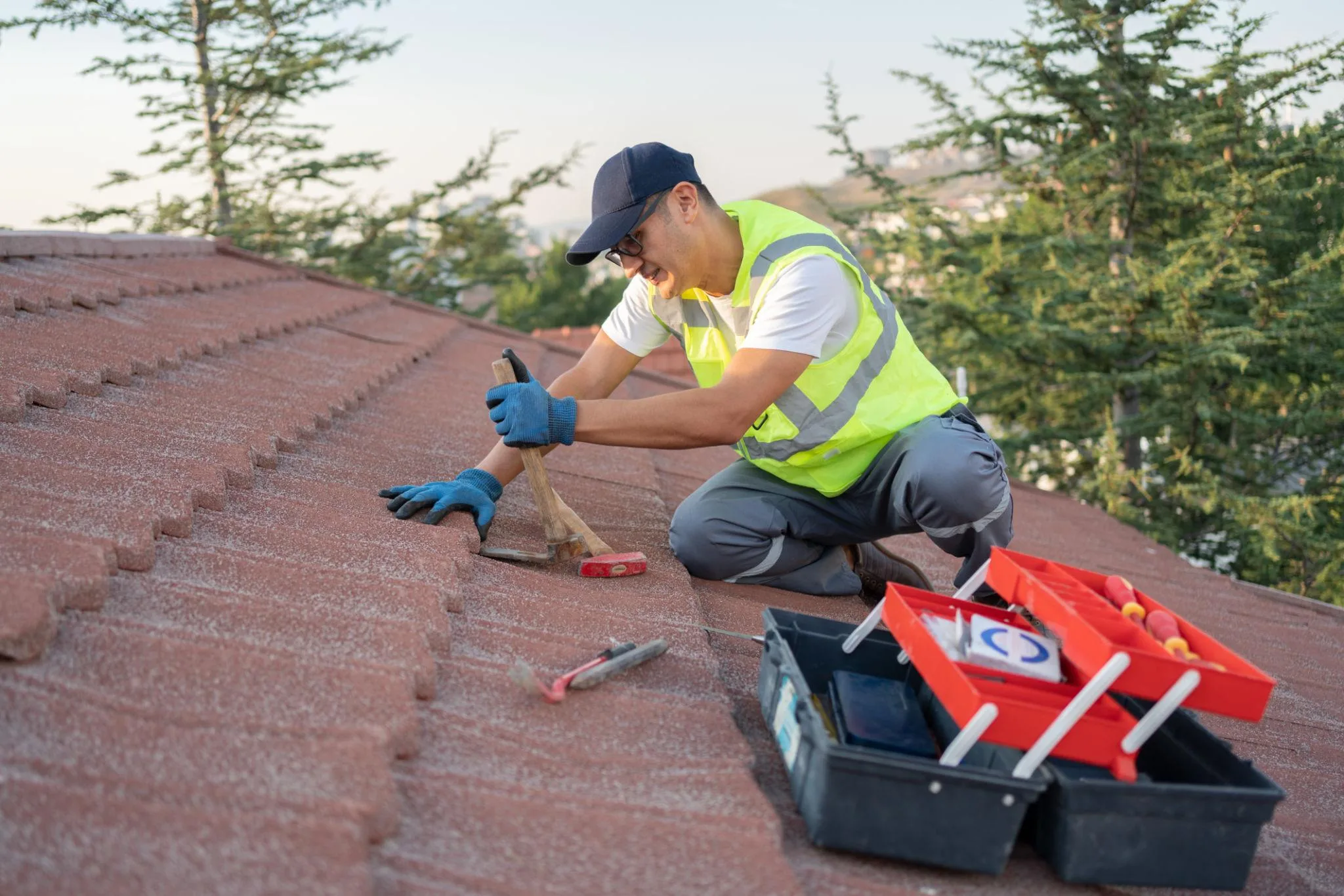
A legitimate contractor does not estimate a repair from the ground or with a quick visual. They get on the roof, inspect every vulnerable area including flashings, ridge caps, valleys, and pipe boots, and provide a photo documentation report before recommending work.
If a contractor gives you a number before conducting a thorough inspection, that is a warning sign. Reputable roofers doing roof repair in Clearwater document what they find before they quote what it costs to fix it.
Step Four: Understand the Post-Repair Warranty
Material warranties from manufacturers like Atlas, GAF, or Owens Corning typically range from 20 to 50 years, but they are only valid when installed by a certified contractor using approved methods. Workmanship warranties from the contractor cover installation errors and typically run from one to 10 years.
Ask specifically whether the contractor is certified by the manufacturer whose materials they plan to install. Certified installation is required to activate the full roofing system warranty. If they are not certified by that manufacturer, the warranty you think you are getting may not be what you actually receive.
Step Five: Check References from Local Clearwater Projects
A contractor with genuine experience in Clearwater should be able to provide references from completed projects in the area. Ask specifically for homeowners in Clearwater, Dunedin, or Safety Harbor who had similar work done, and follow up with at least one or two phone calls. This is not excessive. It is due diligence on a decision that affects your home's condition for the next decade or more.
Right Now Roofing & Solar serves Clearwater, Dunedin, Safety Harbor, Largo, and the wider Pinellas County area with licensed roofing services, written warranties, and a transparent process from first inspection through final walkthrough.