Brown ceiling stains usually show up long after the actual leak started. By then, the damage has already been done as the plaster has softened, and the timber has absorbed enough moisture. In this situation, people wonder whether a team of residential painters in Tweed Heads can handle it.
A major problem among homeowners is that they resort to shortcuts to hide these issues, particularly in older brick homes near the coast. However, this is a completely wrong concept, and these painters will tell you that the paint will hide the damage. The plaster failure will continue to remain there and spread the moisture. Sometimes repainting can be enough, but in these cases, it is not sufficient at all.
WATER DAMAGE NEVER STOPS AT THE PAINT LAYER
A ceiling stain looks cosmetic until someone presses a finger into it. You will notice soft plasterboard, bubbling joints, and piling cornices, and these are usually signs that the substrate has already been compromised. Focusing on appearance is what homeowners often do, and due to this, even visible damage appears to be minor. The story is entirely different, however, in coastal areas, as moisture tends to linger inside cavities longer than expected. This happens more in the following situations.
- Older tiled roofs
- Poorly ventilated roof spaces
- Homes near estuaries or beachfronts
- Properties with patched repairs from previous storms
Painting over the plaster will work temporarily, just for around 6 months. But bubbling will come back, and in worst-case scenarios, situations can become even more pathetic. Residential painters' services professionals understand that persistent internal moisture contributes to mould growth and long-term material deterioration. According to the Australian Building Codes Board, moisture is the leading cause of mould growth if not addressed immediately at the source.
PLASTER REPAIR AND PAINTING: THEY DON'T COMPETE WITH EACH OTHER
People often compare two services offered by residential painters in Tweed Heads as alternative options. They think plasterers and painters are alternatives, but they are not, because proper water damage requires both trades. This sequence will matter, for sure, and will let us understand the following.
WHEN PLASTERING COMES FIRST?
IF THE CEILING OR WALL HAS:
- Sagging sheets
- Swollen joints
- Crumbling corners
- Mould penetration
- Softened gyprock
- Recurring cracks around repairs
…painting first is mostly cosmetic theatre.
A PLASTERER MAY NEED TO:
- Remove damaged sheeting
- Dry out the cavity
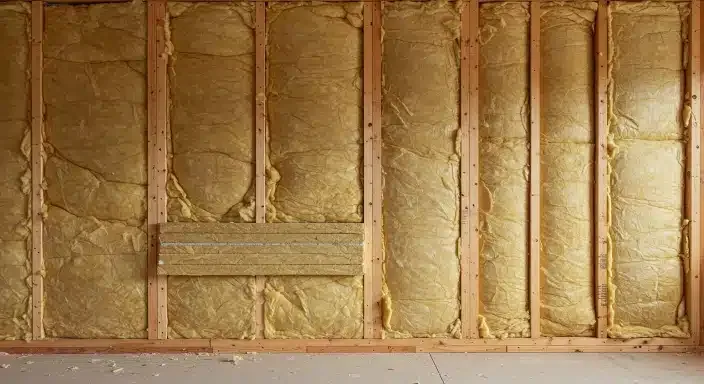
- Replace insulation if saturated
- Re-set joints
- Sand and stabilise surfaces
Only then does painting become worthwhile.
Skipping these steps and residential painters' services will save some money in the beginning, but it will surely create repeat call-outs later, and these call-outs are never low-cost.
COASTAL CONDITIONS COMPLICATE EVERYTHING
Homes in areas like Tweed Heads, Kingscliffe, and along the coast face a different type of wear to those in western suburbs further inland. The biggest enemy is the salt, which doesn't just affect the roof. It can also affect paint's performance, and you will find exterior coatings breaking down faster near the coast for the following reasons.
- UV exposure is harsher
- Humidity remains elevated
- Airborne salt attracts moisture
- Surfaces stay damp longer after storms
Moisture movement finds weak points indoors very easily, and roof leaks around valleys and flashings are common. The condensation problem is also now more noticeable, particularly in tightly sealed renovated properties. Just trapped moisture has resulted in some of the worst ceiling damage that has happened without obvious roof leakage. The CSIRO data highlights moisture management as one of the biggest contributors to durability issues in Australian properties.
CHEAPER CAN BE MORE EXPENSIVE SOMETIMES
There is a trade-off homeowners constantly wrestle with: do you patch the affected area alone or hire a residential painter to repaint larger sections for consistency?
Technically, residential painters in Tweed Heads can often seal and repaint one ceiling patch. The reality is that matching older ceiling paint perfectly is difficult, particularly after years of UV exposure and the face-off with coastal humidity. In these situations, the repaired section will flash differently under natural light. However, experienced residential painters in Tweed Heads usually use two options.
- Minimal repair for budget control
- Broader repainting for a uniform finish
Technically, none of them is automatically wrong, but partial fixes tend to age evenly, particularly in open-plan homes where ceiling light changes throughout the day. This fact is often ignored online because most articles reduce repair into some neat categories, but real houses don't behave that neatly.
HOW TO DECIDE?
Here is a rough framework that painters in Tweed Heads use on-site to decide between plastering, painting, or both.
MINOR COSMETIC DAMAGE
USUALLY SUITABLE FOR REPAINTING ONLY:
- Faint water staining
- Dry substrate
- No sagging
- Isolated discolouration
- The old leak has already been repaired
- Moderate damage
OFTEN NEEDS PATCH PLASTERING PLUS PAINTING:
- Bubbling paint
- Cracking joints
- Minor softness
- Visible mould spotting
- Repeated staining
- Severe water damage
NORMALLY REQUIRES LARGER PLASTER REPLACEMENT:
- Collapsed ceiling sections
- Swollen plasterboard
- Structural movement
- Active leaks
- Widespread mould contamination
The tricky part is moisture testing, as a surface can look dry while retaining moisture internally. Good painters check properly before opening tins.
THE PUSH FOR FASTER TURNOUT CREATES PROBLEMS
Homeowners these days want repair work to be done immediately after storms because insurance assessments drag on. This is quietly understandable, and nobody wants buckets in the hallway for weeks. But drying time matters more than people think and in this situation, trying to accelerate repairs with quick fillers and heavy stain blockers can trap moisture behind the coating. In this situation, some acrylic systems used by residential painters in Tweed Heads can look better, but others will totally fail due to several limitations. High humidity combined with trapped moisture can cause several problems, like –
- Blistering
- Paint delamination
- Mould return
- Joint cracking
And once mould develops behind paint films, remediation costs rise sharply. This is why experienced residential painters in Tweed Heads recommend waiting longer for repainting. This is not popular advice, but it's certainly useful.
FAQs
DO RESIDENTIAL PAINTERS TWEED HEADS HOMEOWNERS HIRE FIX MOULD DAMAGE TOO?
Painters can treat minor surface mould and apply mould-resistant coatings, but extensive contamination often requires plaster replacement and moisture correction first.
CAN YOU PAINT OVER WATER STAINS PERMANENTLY?
Only if the leak source is fixed and the substrate is fully dry. Otherwise, the stain or bubbling usually returns.
HOW DO I KNOW IF PLASTERBOARD NEEDS REPLACING?
Sagging, softness, swollen joints, or recurring cracks are common indicators that replacement may be necessary.
ARE RESIDENTIAL PAINTERS SERVICES ENOUGH AFTER STORM DAMAGE?
Sometimes. Minor cosmetic staining can often be repainted, but structural moisture damage usually needs roof plaster repairs first.
DOES COASTAL HUMIDITY AFFECT PAINT DURABILITY?
Yes. Coastal homes generally experience faster paint deterioration due to salt exposure, intense UV radiation, and prolonged moisture retention.
WHAT'S THE BIGGEST MISTAKE AFTER CEILING LEAKS?
Rushing repairs before moisture levels stabilise. Fast cosmetic fixes often fail prematurely.
IS MOULD BEHIND PAINT DANGEROUS?
It can be. Persistent mould growth may affect indoor air quality and continue spreading if moisture sources remain unresolved.
THE GROUNDED TAKEAWAY
Fixing water damage in a place like Tweed Heads isn't about making things look pretty — it's about stopping the cycle of decay. If your ceiling is marked, don't just look for a painter; look for someone who understands why the mark is there.
Painting is the final 10% of the job. The first 90% is the science of keeping the substrate dry and stable.
If you're staring at a mystery stain and aren't sure if it's a quick touch-up or a structural headache, it's worth getting a professional eyes-on assessment before the next big wet season hits.