Flat roofs fail when water, heat, and movement break down the surface faster than expected. The right roof coating slows that damage, protects insulation, and extends roof life.
This matters now because flat roofs face stronger heat swings and heavier rain loads. Coatings are no longer optional add-ons. They are performance tools.
Quick answers that matter most
- Roof coatings protect flat roofs from water, UV, and thermal stress
- Some coatings work better with spray foam roofing systems
- Material choice affects energy use, lifespan, and repair costs
Flat Roof Stress = Surface Failure
Flat roofs deal with problems that pitched roofs avoid. Water drains more slowly. Heat sits longer. Materials expand and contract every day.
These forces crack seams and degrade membranes. Over time, small surface failures allow moisture to reach the insulation. Once insulation gets wet, energy loss and rot follow.
Roof coatings act as the first line of defense. They absorb UV exposure and seal weak points before damage spreads.
Why Coatings Matter on Flat Roofs
Flat roof systems rely on layers working together. The coating protects the top layer from weather and sunlight.
Without protection, UV rays break down roofing materials fast. According to durability guidance from the National Roofing Contractors Association on roof coating performance, unprotected membranes age quicker and lose flexibility.
Coatings slow this aging process. They also reflect heat, which reduces surface temperature and stress.
Acrylic Roof Coatings
Acrylic coatings are water-based and easy to apply. They work best in dry climates with moderate rainfall.
They reflect sunlight well and help reduce cooling loads. Acrylics remain flexible but soften under standing water.
These coatings fit maintenance plans where drainage is reliable.
Silicone Roof Coatings
Silicone coatings resist ponding water better than most options. They cure into a rubber-like surface that sheds moisture.
They hold up under UV exposure and do not chalk as fast as acrylics. This makes them popular on flat roofs with drainage challenges.
Their slick surface can attract dirt. That reduces reflectivity over time if not cleaned.
Polyurethane Roof Coatings
Polyurethane coatings provide strong impact resistance. They handle foot traffic and mechanical wear well.
These coatings bond tightly to many substrates. They are often used as base layers under other coatings.
Solvent content can be higher, so ventilation and cure conditions matter.
Asphalt Emulsion Coatings
Asphalt-based coatings are cost-focused options. They offer basic waterproofing but limited reflectivity.
They work best on older asphalt roofs where compatibility matters more than energy performance.
These coatings usually need reinforcement fabric for durability.
Spray Foam Roofing + Coatings
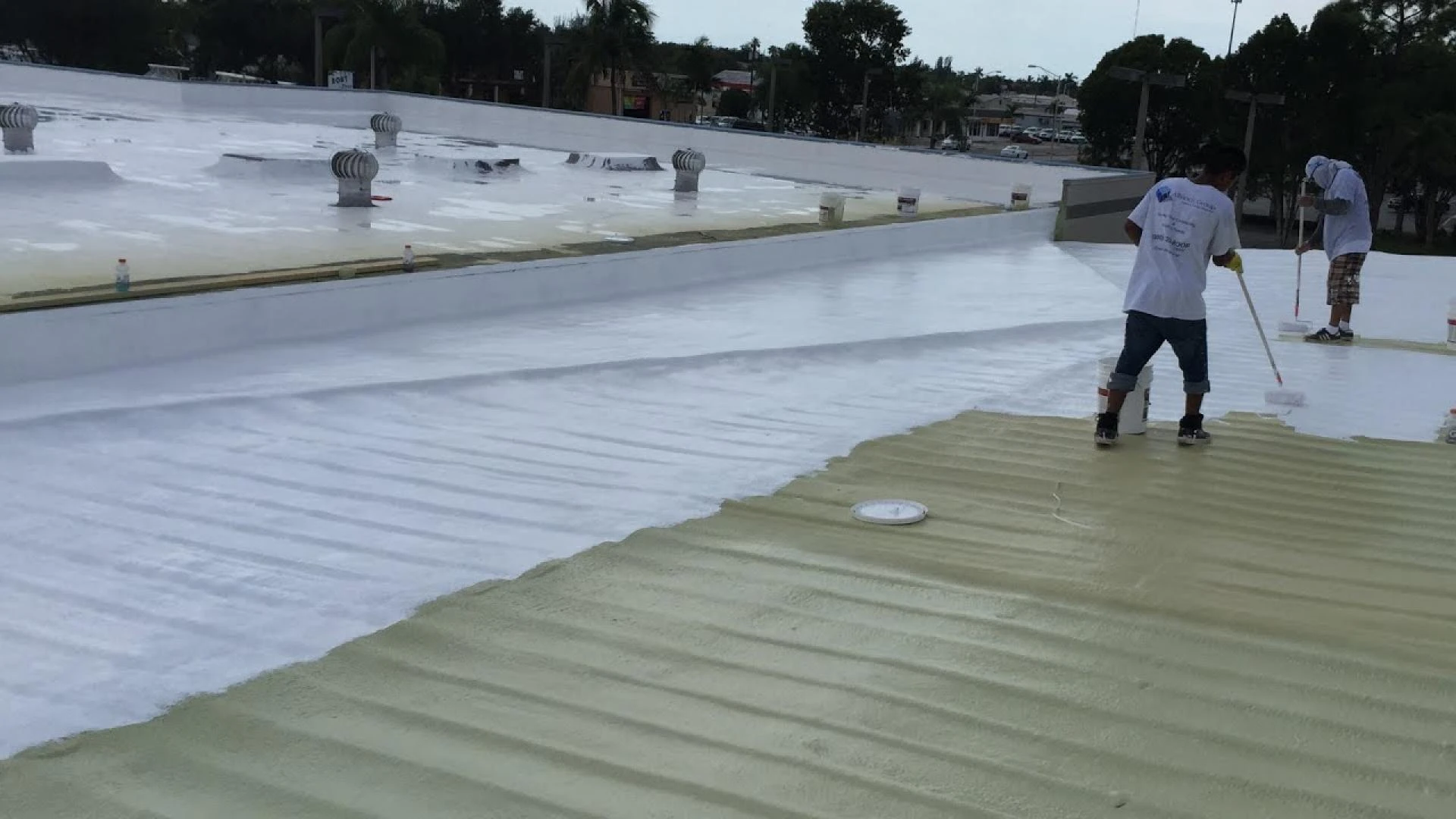
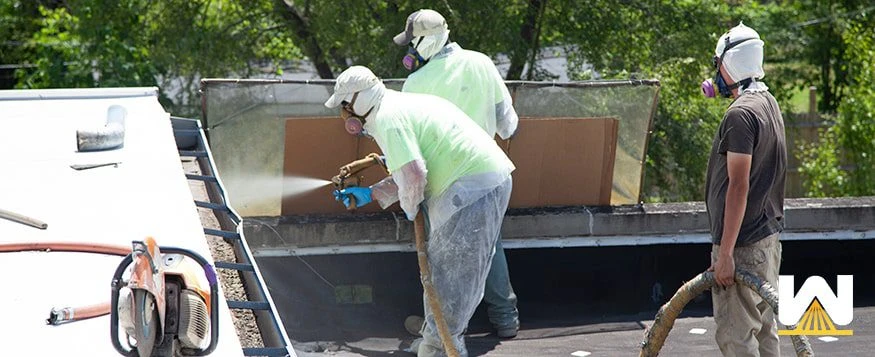
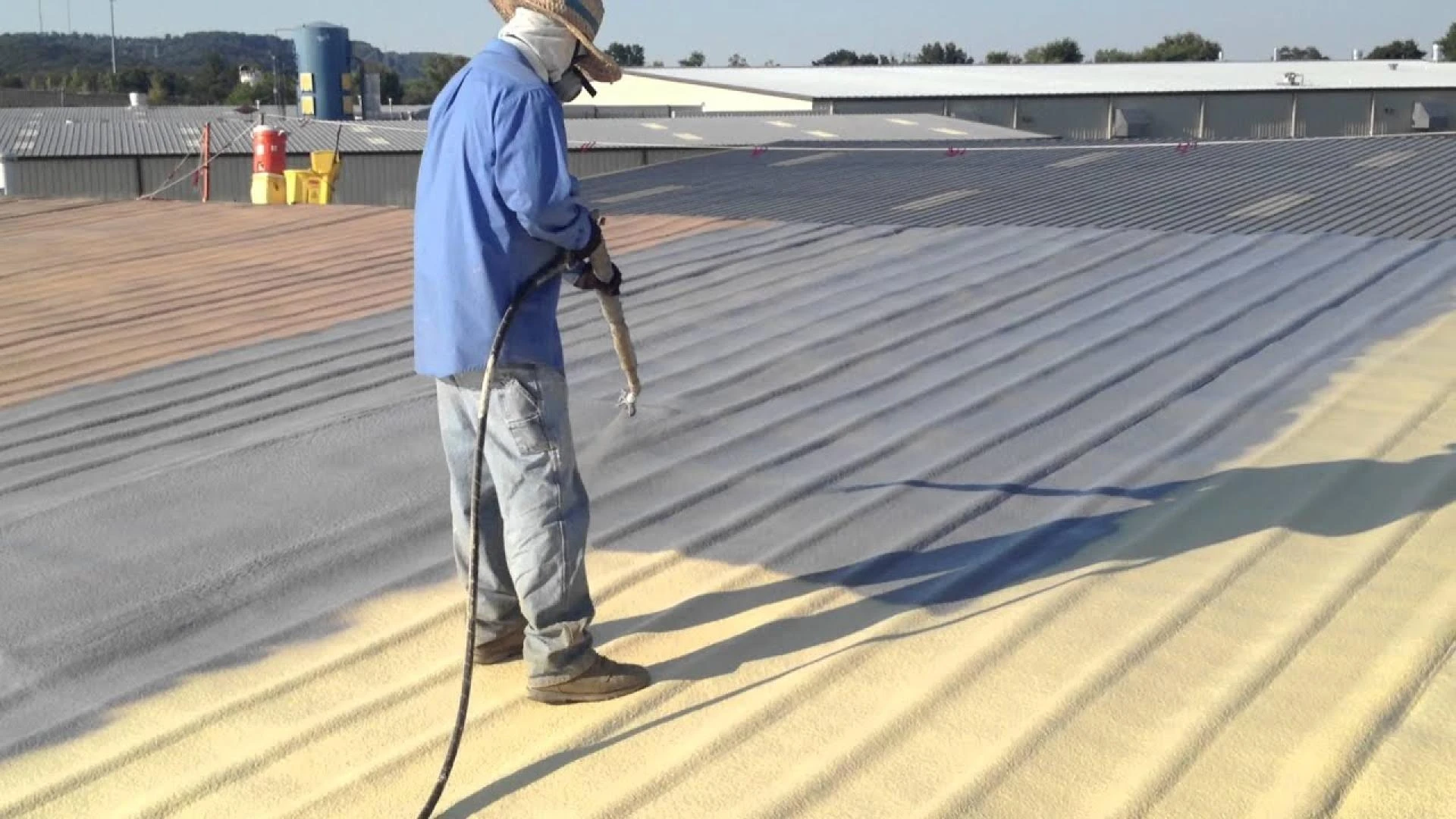
Spray foam roofing systems rely on coatings for protection. Foam handles insulation and air sealing. The coating handles weather and UV.
Without a coating, foam degrades quickly in sunlight. This makes coating selection critical.
Energy studies summarized by the U.S. Department of Energy on cool roof performance show reflective roof surfaces can lower roof temperatures and reduce cooling demand. Coatings play a key role in that performance.
Foam-Compatible Coatings
Not all coatings bond well to spray foam. Compatibility matters for adhesion and longevity.
Silicone and polyurethane coatings are common over foam roofs. They protect foam from UV and moisture while allowing movement.
Improper pairing leads to peeling or cracking.
Cheap Coatings = Short Roof Life
Low-cost coatings often fail early. Thin films wear fast. Poor elasticity leads to cracks.
When coatings fail, water reaches the roof assembly. Repairs cost more than the savings from cheap materials.
Flat roofs need coatings designed for long-term exposure, not temporary fixes.
How Thickness Affects Performance
Coating thickness controls durability. Thin coats break down under UV and foot traffic.
Manufacturers specify mil thickness for a reason. Meeting those numbers ensures tested performance.
Skipping coats or under-applying shortens roof life.
What About Environmental Impact
Roof coatings affect energy use and material waste. Reflective coatings reduce heat absorption.
Lower roof temperatures mean less HVAC strain. That cuts energy demand during peak summer hours.
The Environmental Protection Agency guidance on cool roofs explains how reflective roof systems help reduce heat island effects and energy use in dense areas.
Can Coatings Fix Structural Problems
No. Coatings protect surfaces. They do not fix bad decking, trapped moisture, or failing insulation.
Proper inspections come first. Wet insulation must be removed.
Coatings work best on sound roof assemblies.
How Long Do Roof Coatings Last
Service life depends on material, thickness, and maintenance.
Acrylic coatings may last 5 to 10 years. Silicone and polyurethane systems can last longer with proper care.
Recoating before failure extends roof life without full replacement.
Flat Roof Coating Comparison
Performance Overview
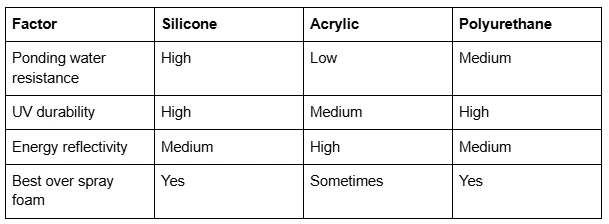
Each option has trade-offs. Climate and roof condition decide the best fit.
Bonus Tips- Clean roofs before coating to improve adhesion
- Verify drainage before choosing acrylic systems
- Track coating age and plan recoats early
Commercial flat roofs using silicone coatings over spray foam systems have shown stable surface temperatures and reduced leak repairs over multi-year service periods.
Common Installation Mistakes
Poor surface prep causes most failures. Dirt and moisture block adhesion.
Weather matters. Cold or humid conditions affect cure time.
Ignoring manufacturer specs leads to premature breakdown.
Maintenance Still Matters
Coatings are not set-and-forget systems. They need inspections.
Small cuts or wear spots should be repaired early. This prevents water intrusion.
Routine checks extend service life at low cost.
Long-Term Value of Quality Coatings
High-quality coatings cost more upfront. They save money over time.
Reduced energy use, fewer repairs, and longer roof life offset material costs.
For flat roofs, coatings are protective investments.
Conclusion
Flat roofs face constant exposure to water, heat, and movement. Roof coatings protect these surfaces and extend system life.
Material choice affects energy performance, durability, and maintenance needs. No single coating fits every roof.
South Chicago Insulation supports performance-focused roofing systems by pairing spray foam insulation with coatings that protect and last.
Support for Flat Roof Performance
Spray foam roofing works best when paired with the right coating system. South Chicago Insulation helps property owners understand material trade-offs and long-term value. They can be reached at (779) 803-8025.
FAQs
What roof coating is best for flat roofs with ponding water?
Silicone coatings perform best where water sits for long periods.
Do roof coatings improve energy efficiency?
Yes. Reflective coatings reduce roof temperatures and cooling demand.
How often should flat roof coatings be reapplied?
Recoat intervals depend on material and wear but often range from 5 to 15 years.
Can coatings be applied over existing roofs?
Often yes, if the roof is dry, clean, and structurally sound.
Are roof coatings required over spray foam roofing?
Yes. Spray foam must be protected from UV exposure with an approved coating.
Author
Bob Gasca attended his first spray foam training in 2007 and has continued to pursue yearly training to stay current with the latest technology and practices. He is a certified Spray Foam Master Installer through the SPFA and a member of the SPFA. Additionally, Bob serves as a Spray Foam Worldwide Ambassador, sharing information with spray foam professionals globally. Recently, he returned from a building science training program, where he expanded his knowledge of how weather conditions affect home performance, helping him better diagnose and improve home health for families. Bob specializes in solving complex moisture and air infiltration issues.
Reviewer
Noah Gonzalez reviewed this article and drew on 9 years of experience to offer suggestions that make the guidance more directly useful for insulation contractors.
Sources
- National Roofing Contractors Association – Roof coating performance and durability guidance
- U.S. Department of Energy – Energy performance data on cool roofs
- U.S. Environmental Protection Agency – Environmental impact of reflective roof systems