
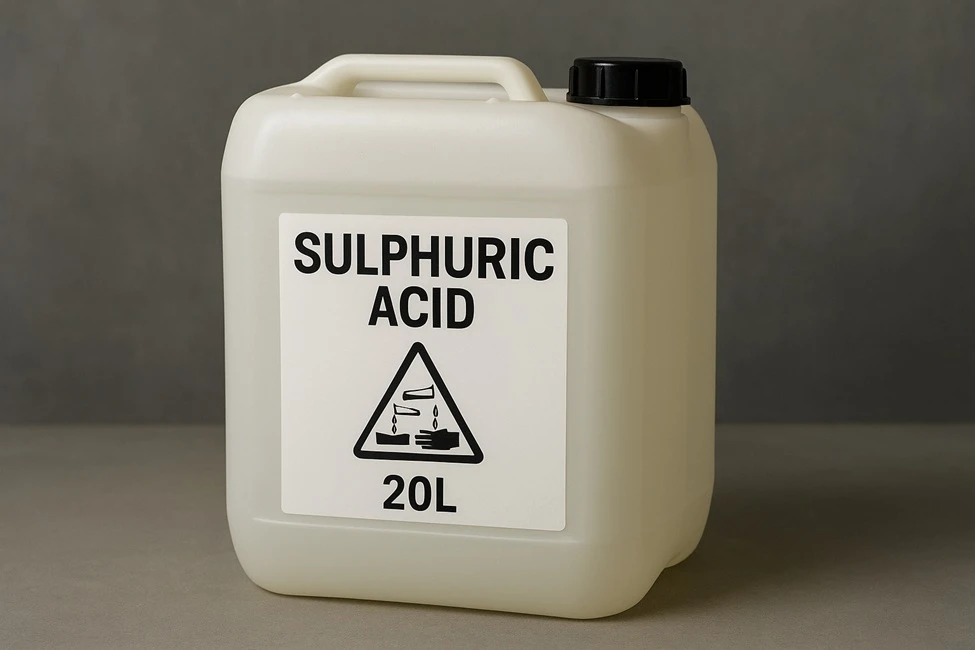
Sulphuric acid for sale is one of the most widely available industrial chemicals, and its presence is fundamental to the functioning of many global industries. Known as the “king of chemicals,” it plays a vital role in numerous processes, ranging from fertiliser production and petroleum refining to metal processing and pharmaceuticals. Its significance in manufacturing cannot be overstated, as it not only supports economic growth but also serves as an indicator of industrial development.
Historical Significance of Sulphuric Acid
The use of sulphuric acid dates back centuries, with its early production methods centred on alchemical practices. However, it was during the Industrial Revolution that large-scale manufacturing of sulphuric acid began to take shape. The introduction of processes such as the Lead Chamber Method in the 18th century and the Contact Process in the 19th century enabled the mass production of sulphuric acid, making it a cornerstone of modern industry.
As industrialisation spread across Europe, Asia, and the Americas, sulphuric acid became indispensable in creating fertilisers, dyes, detergents, and other critical products. Today, the global demand for sulphuric acid reflects not only its chemical versatility but also its essential role in sustaining modern economies.
Importance in Fertiliser Manufacturing
One of the largest uses of sulphuric acid is in the production of fertilisers. By reacting with phosphate rock, it produces phosphoric acid, which is then used to create phosphate fertilisers. These fertilisers are essential for boosting agricultural productivity and feeding the growing global population. Without sulphuric acid, modern intensive farming methods would be severely limited, and food production would struggle to meet demand.
The relationship between sulphuric acid and agriculture highlights how chemistry underpins food security. Farmers across the world rely on products that originate from this chemical to ensure soil fertility and crop yield. This single application alone demonstrates the irreplaceable role sulphuric acid plays in manufacturing and society.
Contribution to Petroleum Refining
In the energy sector, sulphuric acid is heavily used in petroleum refining. It assists in processes such as alkylation, which creates high-octane components for petrol. These high-octane fuels are vital for modern vehicles, enabling engines to operate efficiently while reducing knocking and improving performance.
Additionally, sulphuric acid is employed in the removal of impurities from crude oil, including unwanted compounds such as sulphur, nitrogen, and heavy metals. This refining process ensures that fuels are cleaner and safer for both engines and the environment. The dependence of the automotive and aviation industries on refined petroleum products once again illustrates how essential sulphuric acid is in sustaining industrial activities.
Applications in Metal Processing
Sulphuric acid is central to various stages of metal processing. In the steel industry, it is used for pickling, a process where the acid cleans metal surfaces by removing oxides, rust, and scale. This treatment prepares metals for further processing, such as galvanising, plating, or rolling.
In addition to steel, sulphuric acid is vital for the extraction of non-ferrous metals such as copper, nickel, and zinc. These metals are indispensable in the production of electrical wiring, batteries, and countless other products that drive modern technology. By facilitating the purification and refinement of metals, sulphuric acid ensures that industries dependent on high-quality raw materials can function effectively.
Role in Chemical Manufacturing
A significant portion of sulphuric acid produced globally is used to create other chemicals. For instance, it is required in the manufacture of hydrochloric acid, nitric acid, and sulphate salts. These chemicals are then employed in countless downstream applications, making sulphuric acid the foundation upon which many chemical supply chains are built.
It is also used in producing detergents, dyes, pigments, and synthetic fibres. In the pharmaceutical industry, sulphuric acid is involved in the synthesis of a wide range of drugs and intermediates. From common household products to specialised industrial solutions, the influence of sulphuric acid extends to almost every aspect of daily life.
Importance in Battery Production
One of the most recognisable consumer-facing uses of sulphuric acid is in lead-acid batteries. These batteries, commonly found in automobiles, trucks, and backup power systems, rely on sulphuric acid as an electrolyte. The acid enables the chemical reactions that store and release electrical energy, making lead-acid batteries reliable and cost-effective energy storage devices.
Although new technologies such as lithium-ion batteries are gaining popularity, lead-acid batteries remain widespread due to their affordability and robustness. The continued demand for sulphuric acid in this field underscores its enduring relevance in both traditional and modern applications.
Environmental and Safety Considerations
While sulphuric acid is immensely useful, its handling requires strict safety measures. It is highly corrosive and can cause severe burns upon contact with skin. Inhalation of vapours can damage the respiratory system, making personal protective equipment essential for workers.
From an environmental perspective, the improper release of sulphuric acid into ecosystems can lead to soil and water contamination, harming plant and animal life. Therefore, industries must implement stringent safety protocols, effective storage systems, and advanced treatment methods to minimise risks. Responsible management ensures that the benefits of sulphuric acid can be harnessed without compromising health and sustainability.
Economic Impact of Sulphuric Acid
The production and consumption of sulphuric acid are often used as indicators of a nation’s industrial strength. High demand usually corresponds with strong agricultural, energy, and manufacturing sectors. This correlation has made sulphuric acid an economic barometer of growth and development.
Its contribution extends beyond direct manufacturing, as it enables the creation of value-added goods that generate employment, drive innovation, and enhance trade. Whether in developed economies or emerging markets, sulphuric acid remains a critical driver of progress.
Future Outlook for Sulphuric Acid in Manufacturing
The future of sulphuric acid in manufacturing is tied to global trends such as sustainability, renewable energy, and technological advancement. As industries seek to reduce their environmental footprint, research is underway to develop greener production methods and improve recycling processes.
Emerging sectors, including advanced battery technologies and renewable fuels, may create new avenues for sulphuric acid applications. Its adaptability ensures that even as manufacturing evolves, sulphuric acid will continue to play an indispensable role.
Conclusion
Sulphuric acid is more than a chemical; it is a cornerstone of modern civilisation. Its contributions span agriculture, energy, metal processing, chemical manufacturing, and countless other fields. By enabling these industries to thrive, sulphuric acid sustains economies, supports communities, and ensures the continuity of technological progress.
From its historical origins to its modern applications, sulphuric acid stands as one of the most important chemicals ever produced. As manufacturing advances and new challenges emerge, the role of sulphuric acid will remain central to shaping the future of industry and society.