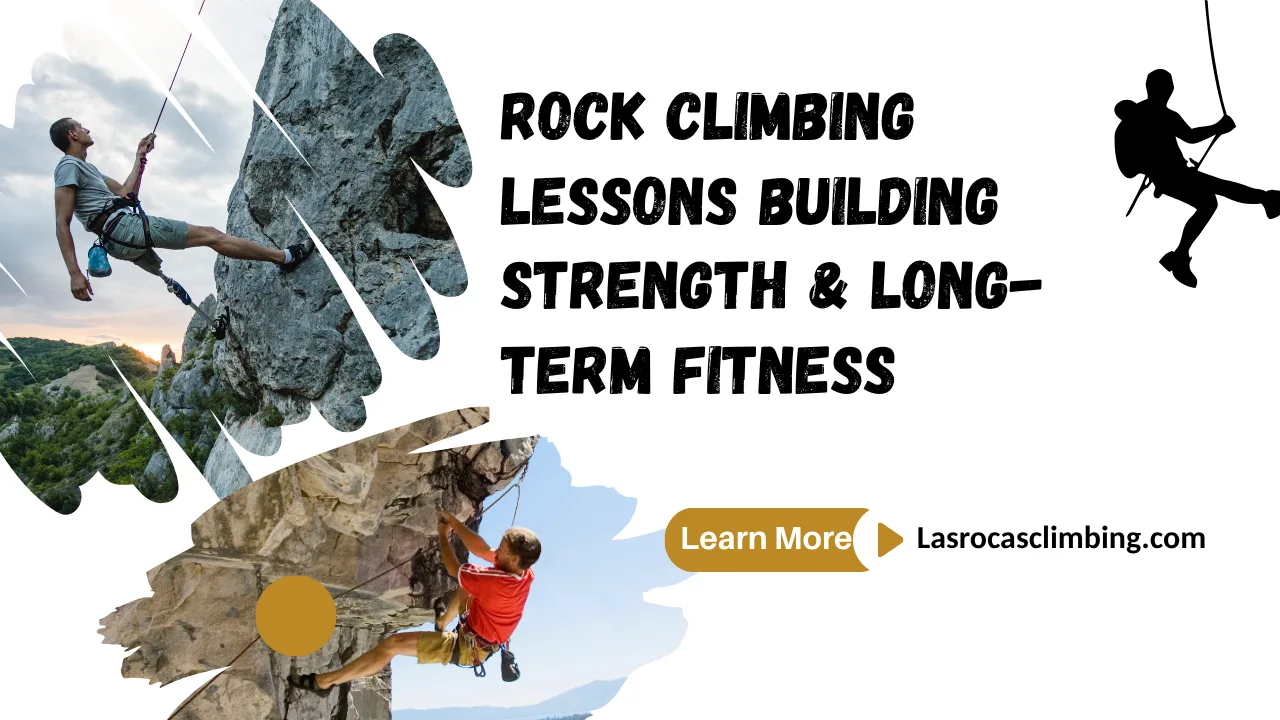
The fitness world continues evolving as people search for workouts that feel both effective and enjoyable. Traditional gym routines still have value, but many individuals want something more engaging than repeating the same exercises week after week. This growing demand explains why rock climbing lessons have become increasingly popular among beginners, athletes, families, and fitness enthusiasts. Climbing combines physical training, mental focus, strategy, and problem-solving into one activity, making it one of the most complete fitness experiences available today. Unlike conventional workouts that often isolate muscle groups, climbing develops full-body strength while teaching movement efficiency and confidence.
Many people assume climbing is only for highly athletic individuals. In reality, climbing welcomes participants of all fitness levels. Professional instruction helps beginners learn proper techniques, understand safety fundamentals, and develop movement skills that allow them to progress faster while enjoying the process. The goal is not simply reaching the top of a wall. The goal is learning how to move better, think strategically, and build confidence through challenge.
Why Climbing Has Become One of the Fastest-Growing Fitness Activities
Climbing appeals to modern fitness enthusiasts because it delivers something many workouts fail to provide: engagement. Every climb feels different. Every route presents a unique challenge. Instead of counting repetitions or watching a treadmill timer slowly move forward, climbers focus on solving movement problems and improving performance.
According to the American Council on Exercise (ACE), functional movement training improves overall fitness because it teaches the body to work as a complete system. Climbing naturally supports these principles by requiring coordination between the upper body, lower body, and core.
Regular climbing helps improve:
• Strength
• Mobility
• Coordination
• Balance
• Grip endurance
• Body awareness
• Problem-solving ability
This combination creates a workout that feels productive while remaining enjoyable.
Many people begin climbing for fitness and continue because they genuinely enjoy the experience.
Why Rock Climbing Lessons Matter
One of the biggest mistakes beginners make involves relying too heavily on strength.
Professional climbing instruction teaches athletes how to move efficiently rather than simply pulling harder. This distinction often determines how quickly someone improves.
Structured lessons focus on:
• Foot placement
• Balance control
• Body positioning
• Route reading
• Energy conservation
• Movement efficiency
Learning these fundamentals early allows climbers to build confidence while reducing unnecessary physical strain.
Many experienced climbers will tell you the same thing. Good technique often beats raw strength.
Climbing becomes significantly more enjoyable when movement feels smooth and controlled rather than exhausting.
Climbing Is a Full-Body Workout Without Feeling Like One
Traditional workouts often separate training into categories.
One day focuses on legs. Another targets the upper body. Cardio happens separately.
Climbing combines these elements naturally.
Every route challenges multiple muscle groups simultaneously. Climbers use their legs for power, their core for stability, and their upper body for control and positioning.
The result is a highly effective workout that develops:
• Muscular endurance
• Core stability
• Grip strength
• Mobility
• Coordination
• Cardiovascular fitness
Because climbers focus on completing routes rather than counting repetitions, many people find the experience more engaging than conventional gym routines.
The workout feels like a challenge rather than a chore.
The Connection Between Climbing and Functional Fitness
Many athletes supplement climbing with training from a functional fitness gym because functional fitness emphasizes movement patterns that transfer into everyday life and athletic performance.
Functional training often improves:
• Stability
• Strength
• Mobility
• Coordination
• Injury resilience
These qualities complement climbing exceptionally well.
Both disciplines focus on movement efficiency rather than isolated exercises.
This approach creates balanced athletic development while supporting long-term physical health.
Athletes who combine climbing with functional training often notice improvements across multiple performance areas.
Why Recovery Matters as Much as Training
Modern sports science consistently highlights the importance of recovery.
Training creates physical stress. Recovery allows the body to adapt and improve.
Many athletes now prioritize fitness recovery strategies that support performance and long-term wellness.
Research from Harvard Medical School highlights the importance of mobility work, flexibility training, stress management, and recovery-focused practices in supporting physical performance.
Effective recovery commonly includes:
• Quality sleep
• Stretching
• Mobility exercises
• Hydration
• Active recovery sessions
Athletes who recover well typically train more consistently and experience better long-term results.
Progress rarely comes from working harder every day.
Progress comes from balancing effort with recovery.
Why Climbing Benefits Young Athletes
Parents increasingly seek activities that support both physical and mental development.
Many families choose youth rock climbing programs because climbing teaches valuable life skills while encouraging physical activity.
Young climbers often develop:
• Confidence
• Focus
• Communication skills
• Coordination
• Problem-solving ability
• Resilience
Unlike some sports that emphasize direct competition, climbing often encourages personal improvement.
Children learn that progress results from persistence and practice.
These lessons frequently extend beyond sports and into school, relationships, and daily life.
The Growth of Climbing in Miami
Interest in indoor climbing continues growing throughout South Florida.
Many people searching for a rock climbing gym Miami experience want a fitness activity that feels challenging, social, and rewarding.
Modern climbing facilities offer much more than climbing walls.
Many locations combine:
• Fitness training
• Community events
• Climbing instruction
• Recovery services
• Youth programs
This integrated approach appeals to individuals seeking a complete wellness experience.
The growth of the climbing community reflects broader changes in the fitness industry as people increasingly prioritize experiences over routine workouts.
Why More People Are Looking for a Miami Climbing Gym
Fitness consumers today expect more from their training environments.
Anyone searching for a miami climbing gym often wants a place that supports multiple aspects of health and performance.
People increasingly value:
• Community
• Skill development
• Functional movement
• Recovery opportunities
• Long-term wellness
Climbing facilities naturally align with these goals because they combine physical activity with learning and social interaction.
The result is a fitness experience that remains engaging over time.
Recovery Trends Continue Expanding
Recovery has become one of the fastest-growing areas within the fitness industry.
Athletes increasingly explore methods that support performance and reduce post-workout discomfort.
Interest in cold plunge Miami experiences has increased because cold water immersion may temporarily reduce muscle soreness following intense exercise. The Cleveland Clinic notes that cold-water immersion can support recovery when used appropriately as part of a broader wellness strategy.
Similarly, sauna Miami services continue gaining popularity among athletes seeking relaxation, circulation support, and post-workout recovery options.
While these tools may provide benefits, experts consistently emphasize that quality sleep, proper nutrition, hydration, and smart training habits remain the foundation of effective recovery.
Recovery technologies work best when they support healthy habits rather than replace them.
The Mental Benefits of Climbing
Physical fitness represents only one aspect of climbing.
Every route requires concentration, planning, and adaptability.
Climbers constantly evaluate movement options, make decisions, and solve problems while managing physical effort.
These challenges help develop:
• Confidence
• Focus
• Mental resilience
• Patience
• Strategic thinking
Many climbers report that these mental benefits become just as valuable as the physical improvements.
The ability to overcome difficult challenges on a climbing wall often translates into greater confidence elsewhere in life.
Final Thoughts
Rock climbing lessons provide far more than an introduction to a sport. They offer a pathway toward improved fitness, better movement quality, stronger mental resilience, and long-term personal growth. Whether someone wants to build strength, learn a new skill, improve confidence, or escape repetitive workouts, climbing provides an engaging solution that continues rewarding effort over time.
As fitness continues evolving, more people are choosing activities that combine challenge, learning, and enjoyment. Climbing stands out because it delivers all three. With proper instruction, consistent practice, and a focus on recovery and movement quality, climbers can enjoy years of progress while developing both physical and mental strength.