
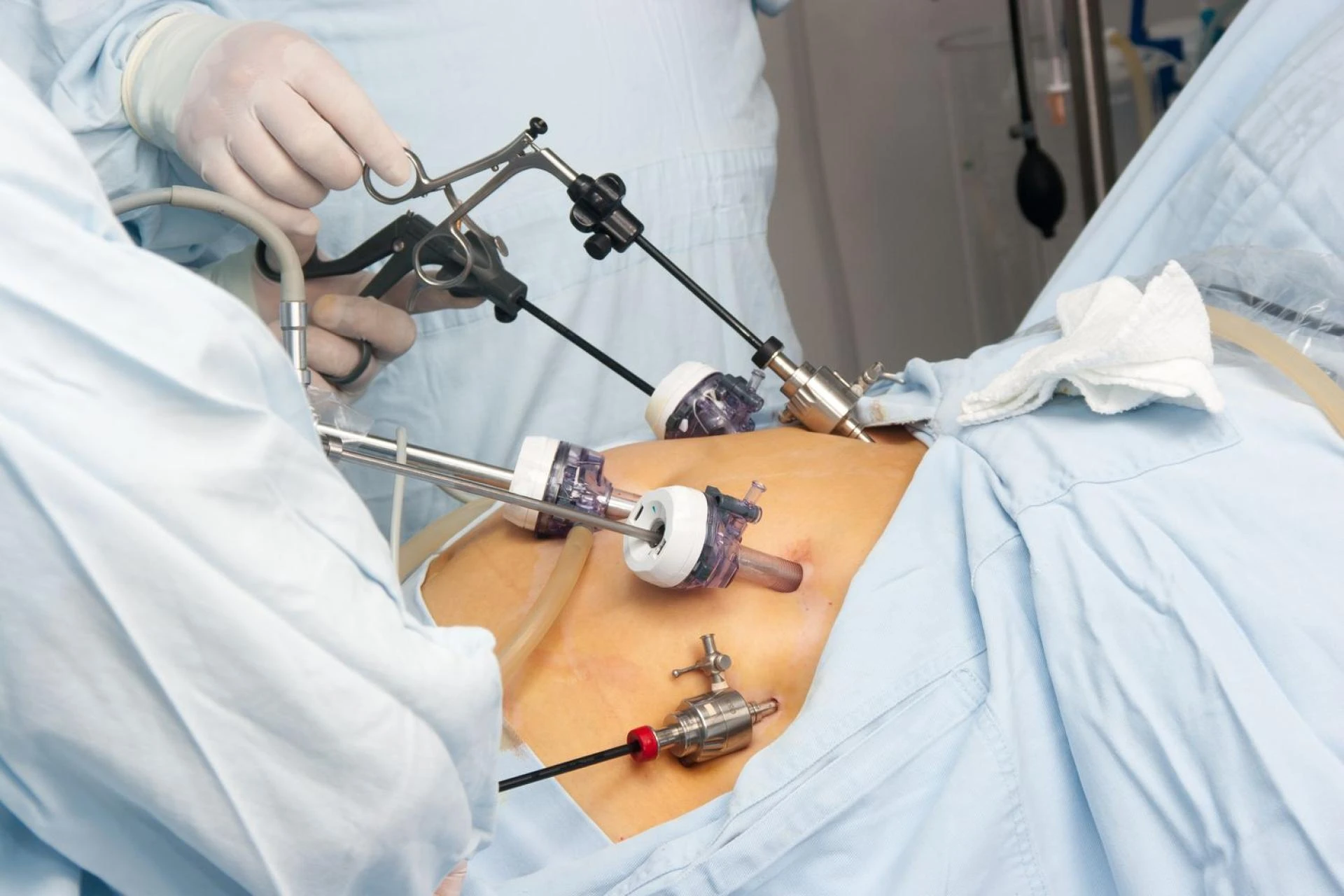
Obesity is one of the biggest health challenges and the cause of many other diseases in individuals. The recent spike in these cases is alarming. Obesity brings with it many serious health conditions, such as type 2 diabetes, high blood pressure, sleep apnea, heart disease, and some forms of cancer. When lifestyle changes like diet and exercise do not help you lose weight, doctors suggest bariatric surgery to help you achieve long-term results.
Earlier, bariatric surgery or weight loss surgery would involve a traditional method of slitting the stomach by making large incisions. However, times have changed, and today, more advanced methods of performing this procedure have been introduced. Robotic-assisted bariatric surgery is a recent surgical method. It combines the surgical expertise of surgeons with advanced robotic technology, ensuring a high success rate for procedures and enabling greater precision, fewer complications, and a quicker recovery.
The Rise of Robotic-Assisted Bariatric Surgery
Robotic-assisted bariatric surgery is one of the recent developments in the area of weight loss procedures. This surgery is primarily performed by the surgeon, but using robotic technology. The surgeon uses a robotic system to enhance their capabilities. It comprises robotic arms that hold surgical instruments, high-definition 3D cameras that give them a magnified view inside the body, and the console of a surgeon where they control every movement.
The technology cuts down human hand tremors, making the procedure more precise and accurate. It also provides a 360-degree range of motion, allowing surgeons to operate on the patient with full control. Robotic-assisted bariatric surgery is being adopted by many surgeons. It is considered valuable in cases where delicate stapling, suturing, and rerouting of the digestive tract are required with next-level precision.
How is Robotic Technology in Bariatric Surgery Transforming the Procedure?
There are many reasons surgeons are considering robotic-assisted bariatric surgery over other methods.
Accuracy in Surgery
One of the main reasons why robotic technology is being used in bariatric surgery is that it offers pinpoint accuracy in the procedure. The robotic hands can be maneuvered in ways human hands cannot. It allows surgeons to perform delicate surgery steps with precision. Some parts of bariatric surgery, especially stapling and suturing, should be done carefully, and robotic technology enables it to be done like that.
Smaller Incisions
Unlike open weight loss surgery, robotic bariatric surgery doesn’t use large cuts. The procedure may be performed through tiny incisions. As a result, there is no visible scarring on your skin. Besides its aesthetic reasons, small incisions cause less post-surgical pain and a reduced risk of wound infections, making it a more preferred procedure over other methods.
Faster Recovery
As robotic-assisted bariatric surgery is a minimally invasive procedure, patients tend to recover faster and get discharged earlier than expected. Many patients may return to their daily routines within a week or two. Robotic surgery also cuts down on a longer hospital stay compared to traditional surgery, where you would be asked to stay in the hospital for weeks.
Reduced Risk of Complications
The robotic technology used in this kind of surgery ensures precise and steady movements, minimizing blood loss and lowering the chances of complications. This factor makes a huge difference for an obese patient who has been dealing with additional health concerns.
Sustainable Results
A robotic bariatric surgery leads to sustainable weight loss. The precision involved in the procedure translates into a consistent surgical outcome, making it a better long-term weight loss and improved management of other obesity-related diseases.
Other Benefits
- Robotic bariatric surgery is an effective weight loss tool compared to other weight loss procedures.
- The surgery results in a reduced risk of other health conditions, such as hypertension, type 2 diabetes, high cholesterol, and others.
- Patients report a better quality of life, which also enhances their self-esteem and self-confidence.
What to Expect with Robotic Bariatric Surgery
Before the surgery, the surgeon will make a detailed evaluation of your body. They will run several tests and give instructions to prepare for the procedure. The surgery is performed under general anesthesia, so you don’t feel pain or discomfort throughout it. The surgeon controls the robotic system, which ensures precision at every step, leading to a successful outcome.
After the surgery, you are made to stay in the hospital for 1-2 days, where the care team monitors your overall health. Depending on your recovery, you can go home after 2-3 days. Follow the dietary and lifestyle instructions imparted by the surgeon to manage weight in the long run. You are also expected to visit the surgeon for a follow-up appointment, as it helps them monitor your health from time to time and make important changes whenever required.
Takeaway
Obesity is not just a lifestyle disorder. It is a serious health concern with effects more than increased body weight. It can severely affect your physical, mental, and emotional well-being. When conventional weight loss methods do not come to your rescue, advanced methods like robotic bariatric surgery provide a reliable medical solution.