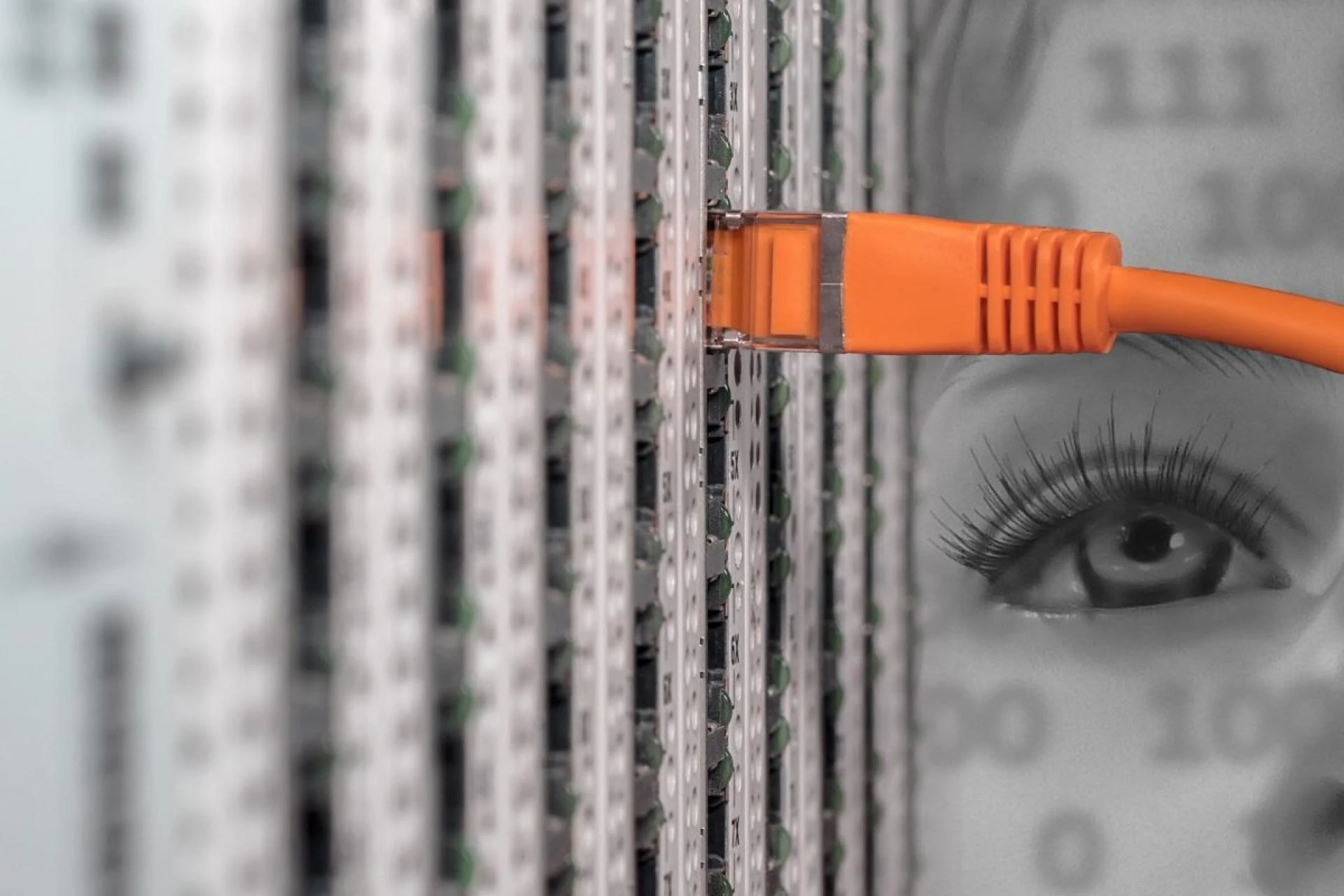
RJ45 connectors are the backbone of modern networking, ensuring seamless data transmission across devices. Whether you’re setting up a home network or managing enterprise-level infrastructure, understanding RJ45 connectors is crucial for efficient communication and connectivity. In this blog, we’ll cover the essentials of RJ45 connectors, their applications, and how to choose the right one for your needs.
What is an RJ45 Connector?
An RJ45 connector is a standardized interface primarily used for Ethernet networking. It features eight pins that allow for the connection of networking cables, typically used to link computers, routers, and switches. The term “RJ” stands for “Registered Jack,” and the number “45” refers to the specific wiring standard within the RJ series.
RJ45 connectors are typically associated with Ethernet cables, like Cat5, Cat5e, Cat6, and higher, which are essential for high-speed data transfer in local area networks (LANs).
How Does an RJ45 Connector Work?
An RJ45 connector works by creating a physical connection between two devices, allowing data to travel through an Ethernet cable. The eight pins inside the connector correspond to the eight wires inside an Ethernet cable, which are arranged in a specific order (such as T568A or T568B wiring standards). When the connector is plugged into a port, it completes the circuit, enabling the flow of data between the devices.
The RJ45 connector’s ability to handle high-frequency signals makes it ideal for transmitting data efficiently and reliably. Whether you’re streaming video, sharing files, or conducting video conferences, the RJ45 connector ensures fast and stable communication.
Common Applications of RJ45 Connectors in Networking
RJ45 connectors are widely used in both residential and commercial settings due to their versatility and reliability. Here are some of their most common applications:
- Home Networks: Used to connect computers, gaming consoles, smart TVs, and other devices to routers or modems.
- Business Networks: In offices, RJ45 connectors link computers to local networks, servers, and switches.
- Telecommunications: RJ45 connectors are used in phone systems and for linking various communication devices.
- Data Centers: High-speed networking in data centers relies heavily on RJ45 connectors to ensure quick data transfer between servers and storage devices.
Many of our products, such as the HDBaseT HDMI Extenders, feature RJ45 interfaces (Ethernet ports). These connectors not only support data transfer but also extend HDMI signals over long distances, enhancing your network’s flexibility and capability.
The Benefits of Using RJ45 Connectors for Data Transmission
Using RJ45 connectors offers several advantages for data transmission:
- High-Speed Data Transfer: RJ45 connectors are capable of supporting high-speed Ethernet, including Gigabit and even 10 Gigabit Ethernet, ensuring fast data transmission.
- Reliability: These connectors are durable and can maintain stable connections over long periods without signal degradation.
- Ease of Use: RJ45 connectors are easy to install, making them a user-friendly option for network setup and troubleshooting.
- Cost-Effective: Widely available and affordable, RJ45 connectors offer a cost-efficient solution for both small-scale and large-scale networking.
How to Choose the Right RJ45 Connector for Your Networking Needs?
Selecting the right RJ45 connector depends on several factors:
- Shielded vs. Unshielded: Shielded connectors (STP) offer better protection against interference and are ideal for industrial environments. Unshielded connectors (UTP) are suitable for typical home and office networks.
- Cable Type: Ensure compatibility between the RJ45 connector and the Ethernet cable (e.g., Cat5, Cat6, Cat7). Higher categories support faster speeds and greater bandwidth.
- Durability: For heavy-use environments, consider connectors made from robust materials to prevent wear and tear.
By understanding your specific networking needs, you can select the right RJ45 connector that ensures both performance and longevity.
Summary
RJ45 connectors are essential components in modern networking, facilitating fast and reliable data transmission. Their versatility, ease of use, and cost-effectiveness make them the go-to solution for various applications, from home networks to large-scale enterprise systems. Many of our products feature RJ45 connectors, including our HDBaseT HDMI Extenders, which are designed to extend HDMI signals over long distances, enhancing both video quality and network performance. Understanding how these connectors work, their applications, and the benefits they offer will help you make informed decisions when setting up or upgrading your network.
More Resources
- Transforming Ford’s Garage with 4K HDMI over IP Solution
- Ford’s Garage with 4K HDMI over IP Solution
- Networked AV System: Everything You Need to Know
- The Ultimate Ethernet Switch Selection Guide for AV Access HDMI over IP Solutions
- KVM over IP: 7 Facts You Need to Know for Your Server Room Setup