Find rhythmic gymnastics Dubai classes, training levels, costs and coaching tips. Learn what to expect before choosing a programme.
Choosing an activity for your child can take time. You want something that builds fitness, confidence and discipline without making training feel like a burden. Grace Gymnastics gives families a starting point when looking at rhythmic gymnastics programmes in Dubai. Parents can compare class levels, coaching methods, training hours and competition options before making a decision.
Dubai has a growing gymnastics community, with clubs offering beginner, advanced and competitive programmes. Children can start with basic movement and coordination before learning more complex routines. The right starting point depends on age, ability and interest. Some children enjoy learning with music and simple movements. Others want to train for competitions over time.
What should you check before enrolling your child? Start with the coach, class size, facility and weekly schedule. A suitable programme should support steady progress and keep training safe.
What children learn in rhythmic gymnastics
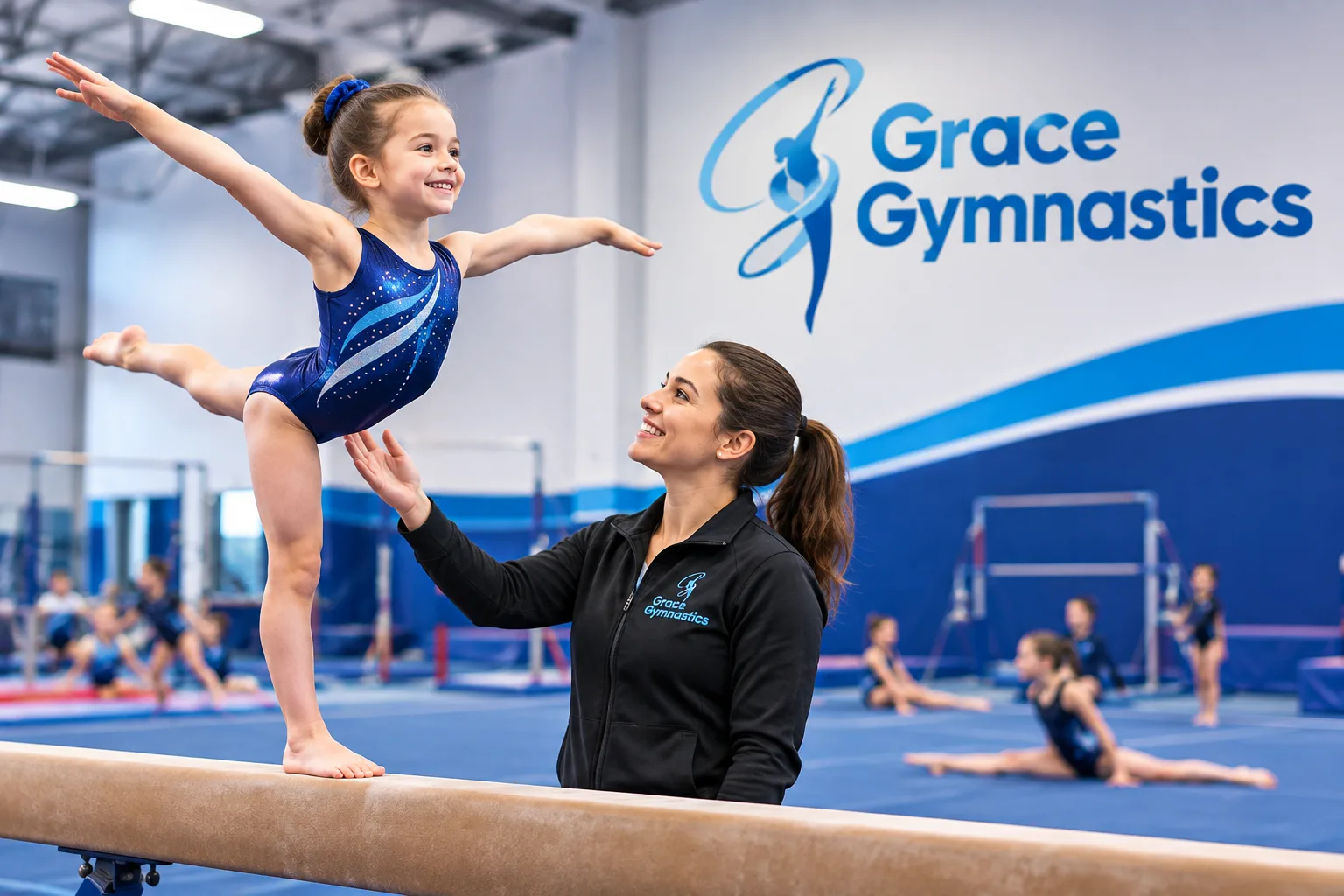
A child’s first classes often focus on movement, balance and body control. Coaches introduce basic stretches, jumps, turns and simple coordination exercises. Children learn to follow instructions and move in time with music.
Rhythmic gymnastics combines dance, flexibility, balance and apparatus skills. The sport uses a floor routine and hand-held equipment. The recognised apparatus includes rope, hoop, ball, clubs and ribbon. Each one requires different movements and control.
A beginner may start with simple ball movements or learn to roll a hoop. As skills improve, the coach can introduce throws, catches and more complex sequences. Children need patience because some movements take time to master.
The sport can support several areas of physical development:
- Flexibility and controlled movement
- Balance and body awareness
- Coordination and timing
- Strength and posture
- Focus and confidence
Children can gain social skills through group practice. They learn to listen, take turns and work with teammates. These habits can support their progress in school and other activities.
Dubai’s active sports scene gives families access to different training options. Parents can find programmes near residential communities, schools and sports facilities. A nearby class can make regular attendance easier.
Training levels, apparatus and class options
Every child develops at a different pace. A good academy places students according to age, ability and readiness. A young beginner should not face the same training demands as an experienced competitor.
Most programmes have several stages. The names differ between academies, so ask what each level includes.
Beginner classes introduce basic movement, posture and flexibility. Coaches use simple drills and short routines. Children become familiar with the training space and basic equipment.
Intermediate classes build on these skills. Students work on turns, jumps, balances and apparatus control. Coaches may introduce short routines with music.
Advanced classes involve more focused practice. Training may include longer routines, improved technique and greater physical conditioning. Students need regular attendance to maintain progress.
Competitive programmes have a different schedule. Gymnasts may train several times each week and prepare routines for events. Parents should ask about competition fees, travel and extra practice before joining.
The five main apparatus types have different uses:
| Apparatus | Main skills | Suitable training focus |
| Rope | Swings, jumps and skips | Timing and coordination |
| Hoop | Rolls, rotations and throws | Control and accuracy |
| Ball | Bounces, rolls and catches | Smooth movement |
| Clubs | Mills, circles and small throws | Rhythm and hand coordination |
| Ribbon | Spirals, snakes and patterns | Flow and spatial control |
The International Gymnastics Federation sets the competition rules. Its 2025–2028 Code of Points explains the technical requirements for routines. Junior individual programmes usually include hoop, ball, clubs and ribbon exercises.
For younger children, coaches may use lighter or beginner-friendly equipment. The goal is to develop control before adding difficult skills. Ask whether the academy provides equipment or expects parents to buy it.
Parents should compare class types before paying. A recreational group may suit a child who wants weekly activity. A competitive group needs more time and commitment. Which option fits your family’s routine?
How a typical training programme works
A well-planned class follows a clear structure. The coach adjusts each session to the group’s age and skill level. Children should have enough time to warm up, practise skills and cool down.
A typical session may include these stages:
- Warm-up: Children start with light movement and simple exercises. This prepares their muscles and joints for training.
- Flexibility and conditioning: Coaches guide safe stretches and basic strength exercises. The movements should match each child’s ability.
- Technique practice: Students work on jumps, turns, balances and body positions. Beginners repeat simple movements before moving to harder tasks.
- Apparatus training: The coach introduces rope, hoop, ball, clubs or ribbon skills. Students practise control, timing and coordination.
- Routine practice: Older or more experienced students combine movements with music. Coaches correct timing, posture and transitions.
- Cool-down: Children finish with gentle movement and stretching. The coach may review progress and explain the next training goal.
A qualified rhythmic gymnastics coach will usually focus on correct technique before speed or difficulty. This helps children build a sound base. Parents should ask how coaches track progress and respond when a student struggles with a skill.
Dubai’s summer heat can affect travel and outdoor activity. Indoor training spaces allow children to practise throughout the year. Parents should check air conditioning, floor conditions, ventilation and changing facilities.
A realistic example is a family living in Al Barsha. Their child may enjoy a weekly beginner class during the school term. If the child becomes interested in competition, the family can discuss a higher training level later. There is no need to rush that decision.
Training fees and other costs in Dubai
The cost depends on the academy, location, class frequency and training level. A once-a-week beginner class will usually cost less than a competitive programme with several weekly sessions.
Published Dubai programme prices show a broad range. For example, Stryx Sports lists a 15-week beginner programme at AED 1,575 for one session per week. Its twice-weekly beginner option is AED 2,850. These prices are examples from one provider, not a fixed market rate.
Other academies publish term fees based on their venue and programme. Some charge separately for registration, private coaching or extra sessions. Ask for a written breakdown before paying.
| Cost item | What affects the price | What to ask |
| Beginner term | Weekly class frequency | How many sessions are included? |
| Intermediate term | Training hours and level | Are extra sessions charged separately? |
| Competitive training | Coaching hours and event preparation | Are competition costs included? |
| Private coaching | Session length and coach | What is the hourly rate? |
| Equipment | Apparatus type and quality | Does the academy supply it? |
You should check the full term cost, not just the advertised monthly rate. Ask about missed classes, refunds and public holiday schedules. Some academies have separate fees for competition entry, uniforms and travel.
Parents should plan for equipment as their child progresses. A beginner may use academy equipment during class. Competitive gymnasts may need personal apparatus that meets event rules.
Before you enrol, ask whether a trial session is available. It gives your child a chance to meet the coach and experience the class. You can assess the teaching style and training environment before making a longer commitment.
Choosing a suitable gymnastics academy in Dubai
The academy you choose can shape your child’s experience. A good programme should match the child’s age, ability and goals. The closest location may be convenient, but coaching quality and safety matter just as much.
Start by checking the coach’s qualifications and experience. Ask whether the coach has training in rhythmic gymnastics and experience with the age group. A competition-focused coach should understand the current rules and routine requirements.
Next, look at the training space. The floor should suit gymnastics practice, and the area should have enough room for safe movement. Check the equipment for damage and ask how the academy manages class sizes.
A useful academy comparison should include:
- Coach qualifications and relevant experience
- Class size and supervision
- Training hours and weekly schedule
- Equipment and facility condition
- Competition pathways and extra costs
- Location and travel time
Ask how the academy places new students. A short assessment can help coaches understand a child’s current ability. The programme should not pressure beginners into advanced training too early.
Dubai has rules for sports establishments and events. Executive Council Resolution No. 1 of 2020 regulates sports establishments and sports events in the emirate. It covers sports academies, permits and professional staff registration. Parents can ask an academy about its applicable approvals and coach credentials.
A specialist programme can provide more focused training than a general activity class. When comparing providers, families can consider Grace Gymnastics alongside other academies. Check the coaching approach, class structure and competition preparation rather than relying on promotional claims alone.
The city’s competition calendar gives committed gymnasts chances to perform. Grace Gymnastics is associated with the Big Grace Cup, scheduled for 5–6 December 2026 in Dubai. Parents considering competitive training should ask about eligibility, preparation time and event costs.
Frequently asked questions
How many days per week should beginners train?
Many beginners start with one or two sessions each week. This gives children time to learn basic skills and adjust to the routine. More frequent training may suit students who progress into advanced groups. The coach should recommend a schedule based on age, fitness and goals.
Is rhythmic gymnastics suitable for children with no previous experience?
Yes. Beginner programmes are designed for children who have not trained before. Coaches usually introduce simple movements and apparatus skills step by step. Previous dance or gymnastics experience can help, but it is not a requirement for starting a beginner class.
Are there competitive rhythmic gymnastics classes in Dubai?
Yes. Some Dubai academies have advanced and competitive groups. These programmes may include more weekly training, routine preparation and participation in local or international events. Ask about selection requirements, competition calendars and extra fees before choosing this pathway.
How long does it take to learn the basic skills?
Progress depends on age, attendance and the child’s starting ability. Some children learn basic movements within a few weeks. More complex turns, balances and apparatus skills need regular practice. Coaches should set realistic goals and review progress over time.
What should parents ask before booking a trial class?
Ask about the coach, class size, age group and session length. Check whether the academy provides equipment and whether the trial fee is refundable after registration. You should understand the weekly schedule and term costs before making a payment.