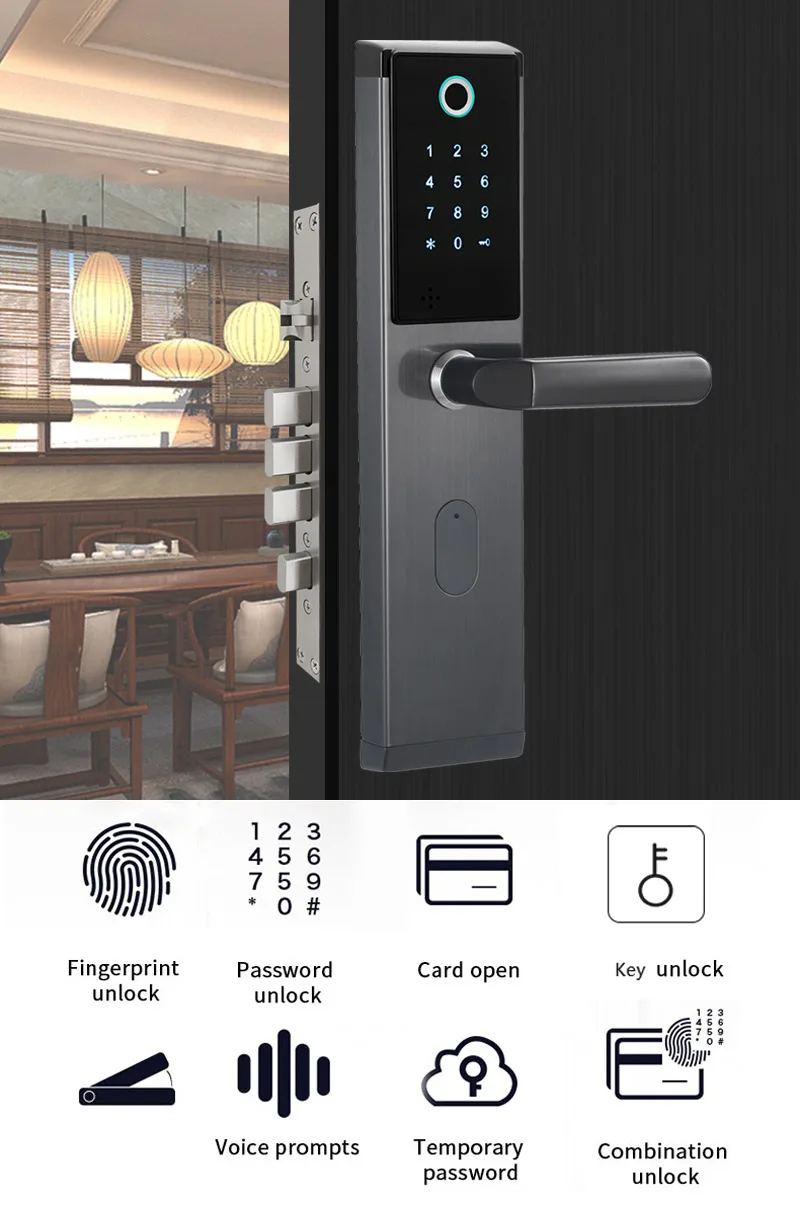
The RFID Locks Market continues to expand rapidly, driven by the global shift toward smart, secure, and contactless access control systems. As more industries adopt digital infrastructure and intelligent automation, RFID locking solutions are becoming critical to modernizing physical security frameworks. From residential and commercial real estate to hospitality, healthcare, and industrial sectors, the adoption of RFID locks is on a steady rise, promising more convenience, operational efficiency, and real-time control.
1. Market Growth Trends and Drivers
The RFID Locks Market is expected to witness significant growth over the next decade. Key factors fueling this momentum include increasing urbanization, demand for smart home devices, and the rising need for enhanced safety in public and private infrastructures.
Additionally, the rise of co-working spaces, flexible offices, and shared accommodation models such as hostels and serviced apartments has made secure and flexible access control solutions more important than ever. The growing emphasis on hygiene and contactless technology post-COVID-19 has further accelerated this market's growth.
2. Technological Advancements Leading the Way
RFID lock systems are evolving with rapid technological innovations. Integration with mobile apps, biometric authentication, and AI-based surveillance has elevated RFID locking systems from basic keyless entry to sophisticated, multi-layered security systems.
Manufacturers are focusing on enhancing encryption, user management, and cloud-based access systems. These improvements are making RFID locks more secure, scalable, and user-friendly, aligning with modern security expectations in smart buildings and digital infrastructure projects.
3. Regional Outlook and Adoption Patterns
North America and Europe currently dominate the RFID Locks Market due to their established infrastructure, higher awareness, and early adoption of smart technologies. However, Asia-Pacific is emerging as a high-growth region, driven by rapid urban development, expanding middle-class populations, and government-led smart city initiatives in countries like India, China, and Southeast Asia.
Latin America and the Middle East are also showing increased interest in advanced security technologies, making them promising regions for market expansion in the coming years.
4. Opportunities Across Industry Verticals
The adoption of RFID locks is not limited to one sector. In hospitality, keyless check-in/check-out features are improving guest experiences. In healthcare, restricted access to sensitive zones ensures regulatory compliance. In educational institutions, RFID-based access allows better campus security and student management.
The residential sector, especially in gated communities and smart apartments, is also experiencing growing demand due to enhanced security features and mobile integration. Each of these use cases presents unique opportunities for manufacturers and solution providers to expand their offerings and customize solutions for niche needs.
5. Challenges to Overcome
Despite its strong outlook, the RFID Locks Market faces several challenges. High initial costs of deployment, lack of standardization across vendors, cybersecurity concerns, and limited interoperability with legacy systems can hinder faster adoption.
Educating end-users about the long-term benefits, offering scalable pricing models, and ensuring robust data protection protocols will be essential for overcoming these market entry barriers.
6. Future Prospects and Strategic Directions
Looking ahead, the RFID Locks Market is expected to see deeper integration with artificial intelligence, edge computing, and 5G networks. These technologies will support real-time access monitoring, remote troubleshooting, and intelligent decision-making—unlocking new value for both enterprises and consumers.
Sustainability will also play a role, as RFID lock manufacturers explore energy-efficient designs and recyclable materials. Furthermore, strategic collaborations between tech companies and property developers will continue shaping market dynamics and product innovation.
Conclusion
The RFID Locks Market outlook remains robust, with strong growth prospects fueled by technological innovation, cross-industry adoption, and increasing security consciousness. While challenges persist, the convergence of mobile, cloud, and AI technologies is poised to redefine the future of access control. Stakeholders who invest early in adaptable, secure, and scalable RFID solutions will be well-positioned to lead in the evolving smart security landscape.