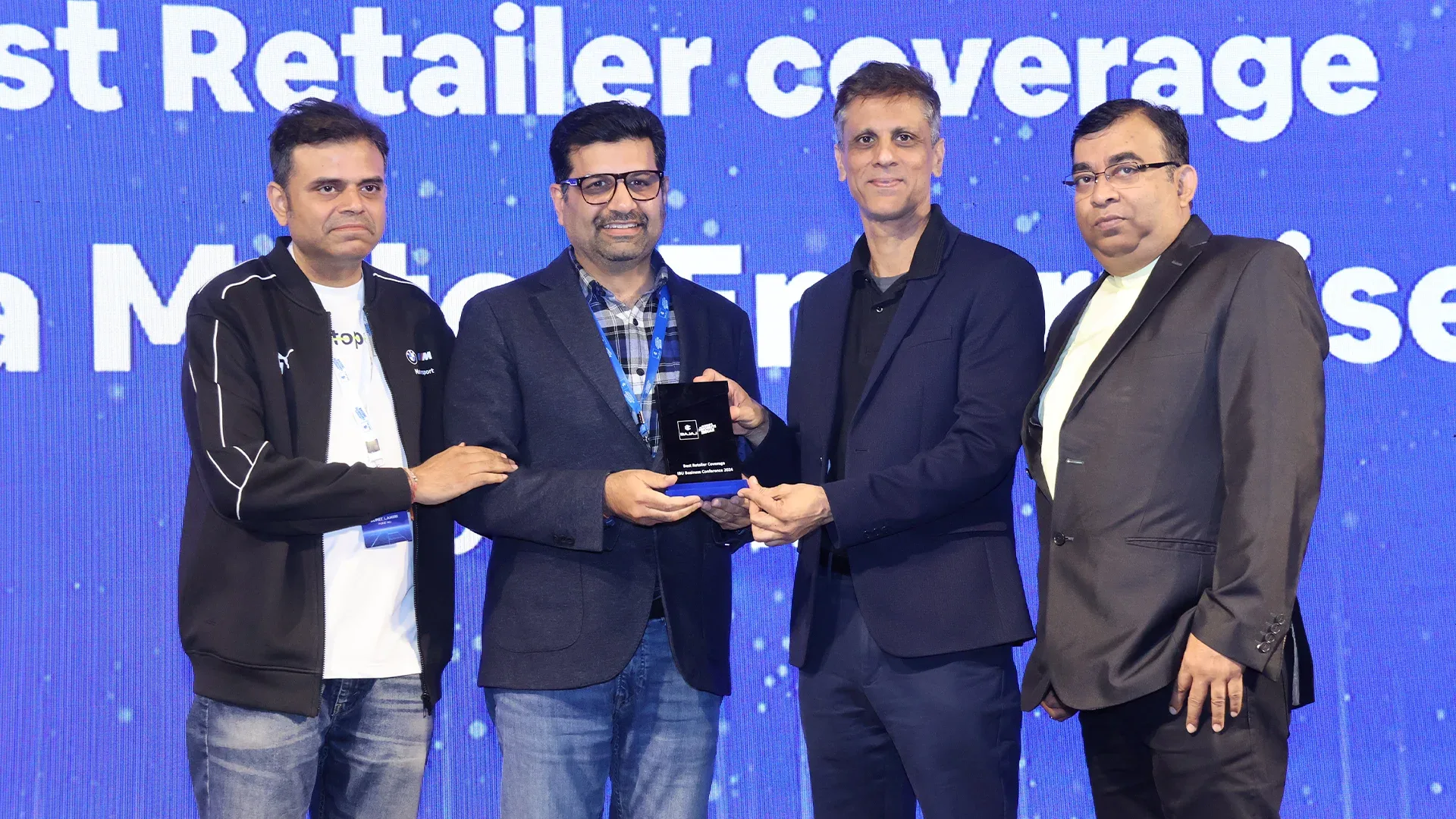
Ask most employees to describe a typical company recognition event and you'll hear some version of the same thing: a stage, a handful of names called out, polite applause, then everyone goes back to their desk more or less unchanged. That's not what genuinely well-designed Rewards & Recognition Events are supposed to feel like, and closing that gap is a large part of what SKIL Events is brought in to fix, since the gap between the two is usually a design problem, not a budget problem.
Why Recognition Matters More Than Most Companies Realise
Employee engagement globally has been sitting at historically low levels, with recent Gallup research putting global engagement at roughly 20 percent, a genuinely sobering number for any organisation trying to retain talent and keep teams motivated. Recognition is one of the more reliably effective levers available to shift that. Research has found that employees who feel adequately recognised are significantly more engaged, and some studies point to recognition mattering as much as five to nine times more than compensation alone in driving genuine engagement.
McKinsey research has similarly found that non-financial recognition ranks among the top drivers of employee motivation, in some findings outperforming purely monetary incentives, with roughly 55 percent of employees citing it as a meaningful motivator. None of this means compensation doesn't matter. It means recognition, done well, is doing real work that a paycheck alone doesn't cover.
Where the Standard Trophy Ceremony Format Falls Short
1. It's Passive for Almost Everyone in the Room
A ceremony where a handful of names get called and everyone else watches is, by design, an event that actively engages a small fraction of attendees while the majority sit as spectators to someone else's moment.
2. The Recognition Often Feels Generic
Award categories like "Employee of the Year" without specific, personal detail about what the person actually did and why it mattered tend to land as hollow, even for the winner, let alone the room watching.
3. It's a One-Time Annual Event, Not a Sustained Practice
Deloitte research has linked consistent, ongoing recognition practices to measurable performance improvements, with some findings showing performance gains of around 14 percent tied to regular recognition. An annual ceremony alone can't deliver that, recognition needs to feel woven into the year, not confined to one evening.
What Genuinely Effective Recognition Events Do Differently
- Build in peer-to-peer recognition moments, not just top-down awards from leadership. Research has connected strong peer recognition cultures to meaningfully better retention, with some studies showing improvements above 30 percent where peer recognition is genuinely embedded.
- Make the "why" specific and personal, a short, genuine story about what the person actually did, rather than a generic category name read off a card.
- Involve managers directly in the recognition moment, given research consistently shows manager-delivered recognition carries outsized impact, with some findings suggesting over 70 percent of employees rate manager recognition as significantly meaningful to them.
- Connect the event to an ongoing recognition rhythm, quarterly shout-outs, a simple peer-nomination system, so the annual event caps off a year of visible recognition rather than being the only moment it happens.
Designing the Actual Event Experience
Once the recognition philosophy is right, the event format itself deserves real thought. Consider shorter, more frequent recognition moments woven through a broader celebration rather than one long award sequence. Consider video testimonials from colleagues instead of a generic citation. Consider genuinely surprising a winner in front of their immediate team rather than a stage announcement to a large, less personally connected room. Small format shifts like these often matter more to how memorable the moment feels than the production budget behind them.
Recognition Events Across Regions
The same underlying principles apply whether you're planning a flagship national ceremony or a more intimate Rewards & Recognition Events In Chandigarh for a regional team. Smaller regional events, if anything, offer more opportunity for the kind of specific, personal recognition that a large national ceremony sometimes struggles to deliver at scale.
Getting Total Rewards Buy-In
Framing this internally as an Employee Recognition Events investment rather than simply an annual party line item tends to secure better budget and leadership support, particularly when the engagement and retention research above is part of that conversation with finance and senior leadership.
A Note on Getting the Tone Right
There's a real risk of recognition events tipping into something that feels performative rather than genuine, overly polished video packages, scripted testimonials that sound rehearsed, an atmosphere that feels more like a corporate marketing shoot than an actual celebration of people's work. The events that land best tend to keep some rawness in the recognition moments, an unscripted comment from a manager, a genuinely surprised reaction from a winner, rather than sanitising every second of the program. Employees can usually tell the difference between recognition that feels real and recognition that feels stage-managed for an internal newsletter.
How SKIL Events Designs Recognition Programs
At SKIL Events, when we plan recognition events, we start by asking what specific behaviours and outcomes the company actually wants to reinforce, then build the format, peer nomination elements, manager involvement, personal storytelling, around genuinely delivering that, rather than defaulting to a standard trophy-ceremony template that looks the same as every other company's event.
Frequently Asked Questions
1. Why does peer-to-peer recognition matter alongside leadership recognition?
Research consistently links strong peer recognition cultures to meaningfully improved retention, since recognition from colleagues who understand the day-to-day work often feels especially credible.
2. How often should companies hold formal recognition events?
An annual flagship event works well when it's paired with an ongoing rhythm of smaller recognition moments throughout the year, rather than standing alone as the only recognition employees receive.
3. Does manager involvement in recognition actually make a measurable difference?
Yes, research shows recognition delivered directly by a manager carries outsized impact compared to recognition from a more distant part of the organisation.
4. What's the biggest mistake companies make with recognition events?
Keeping the recognition generic, vague award categories with no specific personal detail about what the person actually did, which undermines the emotional impact even for the winner.
5. Are smaller regional recognition events less effective than large national ceremonies?
Not necessarily. Smaller events often allow for more personal, specific recognition, which research suggests matters more to genuine engagement than scale or production value alone.