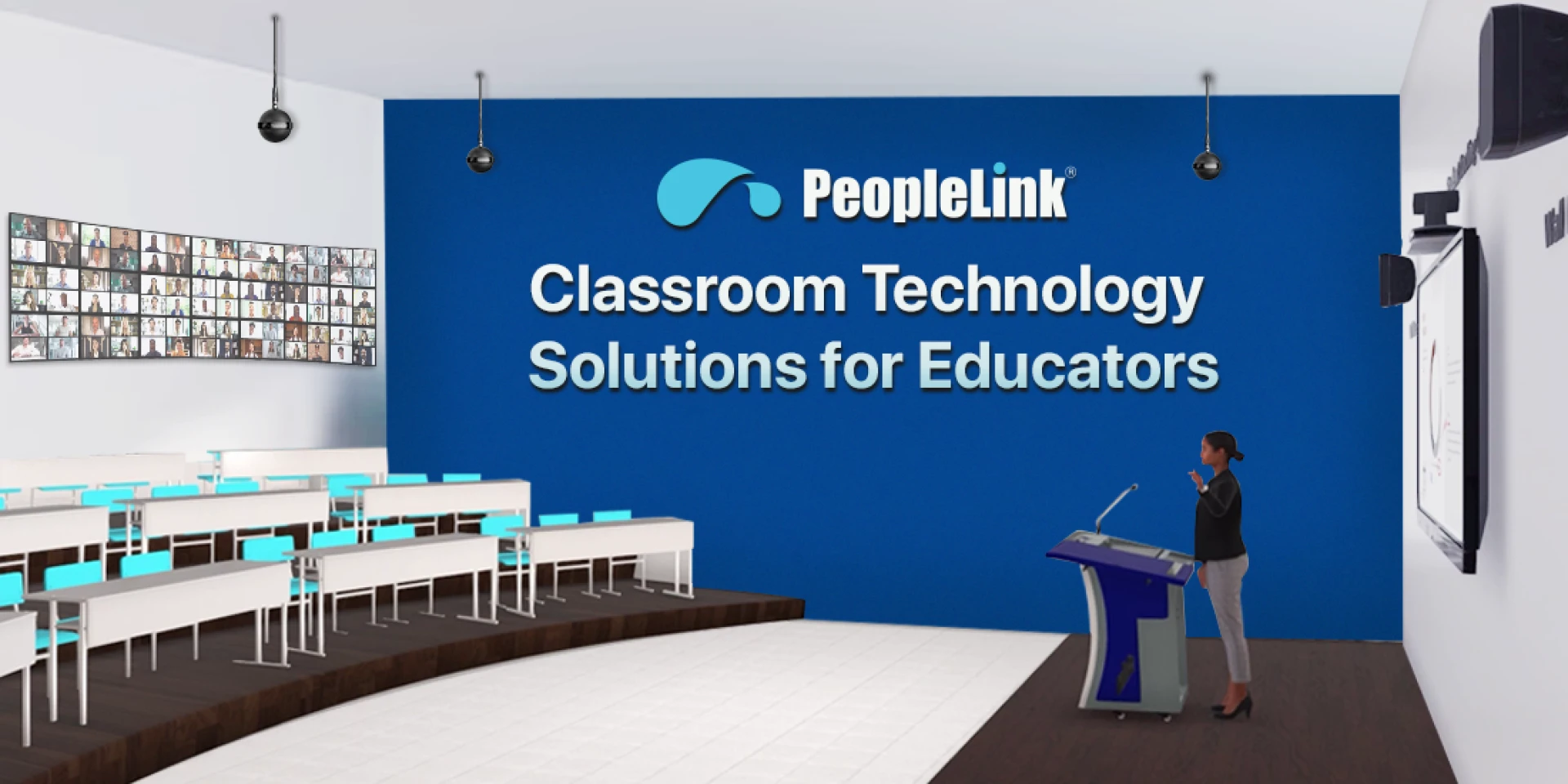
A Practical Guide to Upgrading Your Classroom with the Right Technology
Teaching is evolving. With rapid advancements in technology, the traditional classroom setup is no longer enough to keep students engaged or help teachers manage their workload effectively. Fortunately, modern classroom technology offers a range of tools designed to make learning more interactive, inclusive, and impactful.
Here’s a clear breakdown of the most effective technology solutions that can enhance teaching and improve learning outcomes — whether you're in a school, college, or training environment.
1. Interactive Displays for Collaborative Learning
- Replace outdated whiteboards with interactive smart panels.
- Enable real-time collaboration, annotations, and multimedia integration.
- Support both in-person and remote students in hybrid classrooms.
Benefit: Increases student engagement and allows for more dynamic, visual teaching.
2. Video Conferencing for Hybrid and Remote Learning
- Integrate high-definition cameras, microphones, and speakers.
- Connect with students across distances without compromising quality.
- Support teacher mobility and flexible classroom layouts.
Benefit: Makes education accessible anytime, anywhere — ideal for distance learning and special sessions.
3. Document Cameras for Real-Time Demonstrations
- Present physical documents, experiments, or illustrations live.
- Zoom in on details and share them directly on the screen.
- Record and replay lessons for review or absentee students.
Benefit: Enhances visibility and clarity, particularly for science, math, or creative subjects.
4. Lecture Capture Systems for On-Demand Learning
- Automatically record full lectures with audio and visuals.
- Store recordings in a digital library for students to access later.
- Supports flipped classroom models and self-paced learning.
Benefit: Gives students control over their learning schedule and improves content retention.
5. Centralized Classroom Management Systems
- Control multiple devices from a single platform.
- Manage digital content, apps, and student screens easily.
- Monitor engagement levels and share real-time feedback.
Benefit: Simplifies tech handling and allows teachers to focus more on teaching than troubleshooting.
6. Seamless Integration with Learning Management Systems (LMS)
- Sync classroom tools with your preferred LMS.
- Share assignments, grades, and content from a single dashboard.
- Ensure consistent access for both students and teachers.
Benefit: Promotes organized and structured learning paths.
7. Noise-Free Audio Solutions for Clear Communication
- Use echo-cancellation and noise-suppressing microphones.
- Ensure everyone hears and understands clearly, especially in larger or hybrid classrooms.
- Pair with smart speakers for crisp audio delivery.
Benefit: Reduces classroom noise fatigue and improves communication quality.
8. Multi-Camera Setups for Richer Learning Experiences
- Switch between camera angles during lectures or presentations.
- Highlight whiteboards, the teacher, and student activities all in one feed.
- Great for training, demonstrations, or performance-based subjects.
Benefit: Makes remote learning more immersive and close to a real-class experience.
Conclusion
Modern classroom technology isn’t just about adding gadgets — it’s about enhancing the learning experience, making teaching more efficient, and preparing students for a digital future. By adopting these practical tools, educators can create a dynamic and inclusive learning environment that meets today’s demands.
Whether you're planning a full transformation or gradual upgrades, investing in the right technology will pay off in student engagement, learning outcomes, and teaching satisfaction.