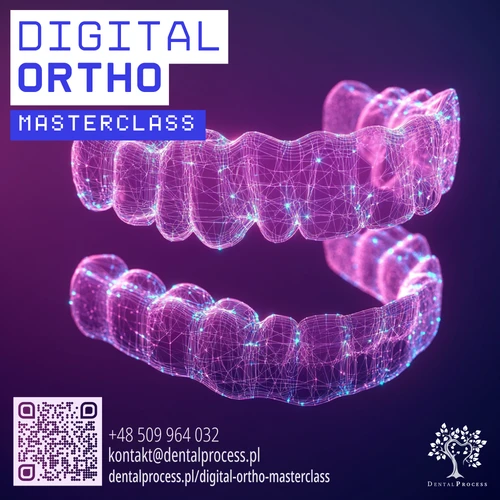
In the ever-evolving field of dentistry, technology has reshaped the way professionals diagnose, plan, and treat dental conditions. Among the most groundbreaking advancements is the emergence of digital orthodontic models. These models have revolutionized traditional orthodontics by offering precision, efficiency, and a seamless patient experience. No longer limited to messy plaster impressions and guesswork, orthodontists now leverage digital tools to create highly accurate 3D representations of patients' oral structures.
What Are Digital Orthodontic Models?
Digital orthodontic models are three-dimensional, computer-generated representations of a patient’s dental anatomy. These models are created using advanced scanning technologies such as intraoral scanners or cone-beam computed tomography (CBCT). The resulting images are then rendered into digital models that can be manipulated on a computer, enabling orthodontists to analyze every aspect of a patient's teeth and jaw alignment.
Unlike traditional physical models made from alginate impressions and plaster casts, digital models offer a host of advantages. Not only are they more comfortable for patients during the scanning process, but they also eliminate the risk of physical model degradation over time.
The Advantages of Going Digital in Orthodontics
1. Unmatched Precision and Accuracy
Digital scanning provides extremely accurate data, reducing the margin for error in treatment planning. Every tooth is captured with detailed resolution, which ensures that orthodontic interventions, such as the placement of braces or aligners, are more precisely aligned to the patient's needs.
2. Time-Efficiency for Clinicians and Patients
With digital models, there’s no need to wait for physical molds to set or be sent to labs. Intraoral scans can be completed in minutes and uploaded immediately to planning software. This drastically reduces turnaround times, making the entire orthodontic workflow more efficient.
3. Better Patient Communication and Engagement
Visual tools help patients better understand their treatment plans. By showing a 3D image of their teeth and how they will move over time, orthodontists can effectively communicate the benefits of treatment. This often leads to increased acceptance rates and satisfaction.
4. Improved Storage and Accessibility
Physical molds are bulky and prone to damage over time. Digital files, on the other hand, can be securely stored and accessed whenever needed—whether it’s a follow-up years later or for comparison during ongoing treatment.
How Digital Orthodontic Models Are Created
The process of creating a digital model starts with scanning the patient’s teeth using an intraoral scanner. This handheld device captures thousands of images per second, which are instantly stitched together to form a digital impression. Advanced software then converts these images into a 3D model, which can be zoomed in, rotated, and analyzed from every angle.
In more complex cases, orthodontists might use CBCT to capture not only the teeth but also the bone and soft tissue structures. This is particularly useful when planning surgical orthodontics or treatments involving jaw alignment.
Applications of Digital Models in Orthodontic Treatments
1. Invisalign and Clear Aligners
The most popular application of cyfrowy model ortodontyczny is in the fabrication of clear aligners like Invisalign. The digital model allows orthodontists to simulate the entire treatment process, designing each aligner stage digitally before printing and manufacturing.
2. Custom Bracket Systems
Some orthodontic systems use digital modeling to create customized brackets and wires for each patient. This personalization leads to more effective treatments and often reduces the overall time needed to complete them.
3. Treatment Simulation and Progress Tracking
Digital models are also used to simulate potential outcomes and monitor progress. Patients can see a visual representation of how their teeth will move over time, while clinicians can compare scans at different stages to ensure everything is on track.
4. Remote Consultations and Teledentistry
With remote work and virtual healthcare on the rise, digital models enable orthodontists to consult with patients online. Scans can be sent electronically, allowing specialists to review and offer advice without requiring in-person visits—perfect for patients in rural or underserved areas.
Impact on Orthodontic Education and Research
Digital modeling isn't just changing clinical practice—it’s transforming education and research too. Dental schools now incorporate digital tools to teach students about anatomy, case planning, and diagnosis in an interactive way. Researchers also benefit from easier data collection and sharing, enabling global collaboration and faster innovations in orthodontic care.
The Future of Digital Orthodontics
The integration of artificial intelligence (AI) and machine learning into digital orthodontic software is expected to take this technology even further. AI can analyze large datasets of digital orthodontic models to predict treatment outcomes and suggest optimal treatment paths. This could lead to a new era of predictive and preventive orthodontics.
Additionally, advancements in 3D printing mean that physical models can still be created when necessary—except now, they’re produced from the digital files with far greater speed and accuracy.
Conclusion
The shift to digital orthodontic models marks a turning point in the field of orthodontics. These high-tech tools are streamlining workflows, enhancing precision, and improving the patient experience from start to finish. Whether for diagnosis, treatment planning, or patient education, digital models are now indispensable in any modern orthodontic practice.
As technology continues to evolve, we can expect these tools to become even more sophisticated—integrating with AI, improving real-time collaboration, and offering unprecedented levels of customization. Embracing digital solutions is no longer optional; it is essential for orthodontists aiming to provide the highest standard of care in today’s digital age.