
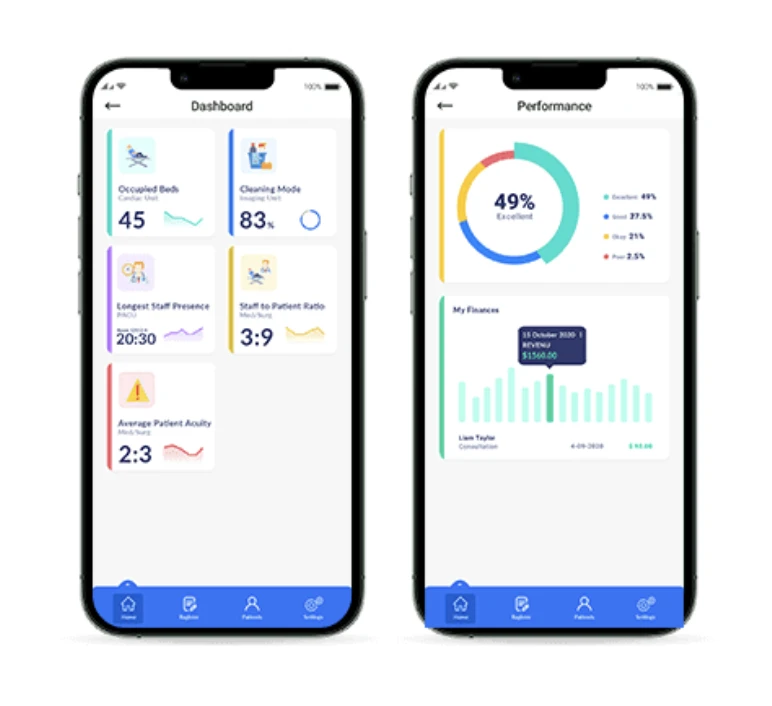
In the rapidly evolving healthcare sector, technology has become a key enabler in improving patient care, enhancing operational efficiency, and streamlining healthcare processes. One of the most significant technological advancements in recent years is healthcare app development. With the increasing demand for accessible, real-time information and the need to manage complex health data effectively, healthcare apps have transformed the way patients interact with medical providers and access care.
Custom healthcare app development services have emerged as a critical tool for healthcare organizations looking to enhance their digital infrastructure, improve patient engagement, and create seamless experiences for both providers and patients. From telemedicine apps to patient portals, healthcare apps cover a broad range of functions that can drive efficiency and improve outcomes in both clinical and administrative settings.
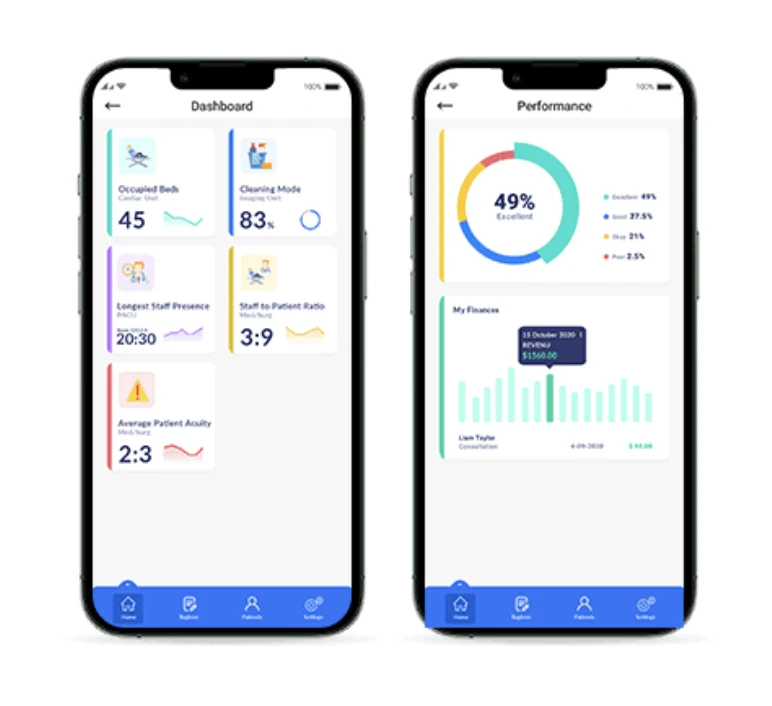
The Rise of Healthcare Apps:
In the past decade, healthcare applications have become indispensable in addressing some of the most pressing challenges faced by the healthcare industry, including:
- Limited access to healthcare services: For patients in remote or underserved areas, healthcare apps provide access to virtual consultations, enabling them to consult with doctors without leaving their homes.
- Patient engagement and self-management: Mobile apps have empowered patients to take control of their health, offering features like appointment scheduling, medication tracking, and real-time health monitoring.
- Improved data management: Healthcare apps integrate with Electronic Health Records (EHRs), streamlining administrative tasks such as patient documentation, billing, and insurance claims.
With the increasing adoption of mobile technology and the demand for digital health solutions, healthcare organizations are increasingly investing in custom healthcare app development services to meet the diverse needs of patients and healthcare providers.
Key Features of Healthcare Apps:
Healthcare apps can range from simple patient appointment schedulers to complex platforms that integrate with hospital management systems. The key features of these apps are tailored to meet the specific needs of the healthcare industry, and can include:
1. Telemedicine Capabilities:
One of the most significant features of healthcare apps is their ability to facilitate telemedicine. Telemedicine enables healthcare providers to conduct virtual consultations with patients through secure video conferencing tools. This feature has become especially valuable during the COVID-19 pandemic and continues to grow in popularity due to its convenience and accessibility.
Telemedicine features in healthcare apps include virtual video consultations, remote health monitoring, and secure messaging between patients and healthcare providers. Patients can receive medical advice and prescriptions without having to physically visit a healthcare facility, making healthcare more accessible and reducing wait times.
2. Patient Scheduling and Appointment Management:
Healthcare apps help streamline appointment scheduling by allowing patients to book appointments online at their convenience. Providers can integrate their scheduling systems into the app, enabling patients to choose appointment times, reschedule, or cancel appointments without having to call the clinic or office.
This automation reduces administrative burden, minimizes scheduling errors, and ensures a smoother experience for both patients and healthcare providers.
3. EHR Integration
Seamless integration with Electronic Health Records (EHR) is a critical feature of healthcare apps. EHR integration enables healthcare providers to access and update patient records in real-time, ensuring that all relevant medical information is easily accessible during patient interactions.
EHR integration also helps healthcare organizations comply with regulations such as HIPAA, ensuring that patient data is stored securely and transmitted safely.
4. Patient Education and Health Tracking:
Healthcare apps can include educational features that help patients understand their medical conditions, treatment plans, and lifestyle changes. Interactive tools like medication reminders, exercise logs, and nutrition tracking allow patients to take an active role in managing their health.
Additionally, patients can input data such as blood pressure, glucose levels, and heart rate into the app, giving them a clear view of their health status over time. This data can be shared with healthcare providers to facilitate more informed decision-making.
5. Push Notifications and Reminders:
Push notifications in healthcare application development services remind patients about important events, such as medication schedules, upcoming appointments, and follow-up tests. These notifications play a significant role in improving patient adherence to treatment plans and reducing the likelihood of missed appointments or medications.
6. Secure Messaging and Communication:
Healthcare apps provide a secure platform for messaging between patients and their healthcare providers. Patients can ask questions, clarify doubts, or receive updates about their treatment plans through encrypted messaging systems. This ensures that communication is both secure and confidential, in compliance with healthcare privacy regulations.
Benefits of Healthcare App Development:
1. Enhanced Patient Experience:
The patient experience is central to the success of any healthcare organization. Custom healthcare apps provide a convenient, user-friendly interface for patients to access healthcare services anytime, anywhere. Patients can easily schedule appointments, access their medical records, and communicate with healthcare providers, all from their mobile devices. This improves patient satisfaction and makes healthcare more accessible.
2. Improved Healthcare Accessibility:
Healthcare apps can expand access to care for individuals who face geographical, financial, or mobility barriers. For example, patients in rural or underserved areas can access medical consultations remotely through telemedicine, reducing the need for travel and the associated costs.
Apps also help patients who may have difficulty attending in-person appointments due to work, family commitments, or physical disabilities. This accessibility ensures that healthcare services are available to a wider demographic, improving equity in healthcare.
3. Streamlined Operations and Reduced Costs:
Healthcare apps help streamline administrative operations by automating tasks like appointment scheduling, billing, and patient record management. This not only reduces administrative costs but also allows healthcare providers to focus more on delivering quality care.
By automating tasks and enhancing operational efficiency, healthcare organizations can reduce the likelihood of errors and redundancies, leading to better overall management and patient outcomes.
4. Data-Driven Insights for Better Decision-Making:
Custom healthcare apps can collect valuable patient data that can be used for clinical decision-making. By analyzing this data, healthcare providers can identify trends, monitor patient progress, and predict potential health risks.
Data analytics also allows healthcare organizations to improve service delivery by identifying areas that require attention, such as high patient volumes, medication non-compliance, or delayed follow-ups. This information can be used to improve operational strategies, reduce costs, and ultimately deliver better care.
5. Increased Patient Engagement:
Patient engagement is a critical factor in improving health outcomes. Custom healthcare apps encourage patients to take an active role in managing their health by offering features such as appointment tracking, medication reminders, and access to educational content.
Patients who are engaged in their healthcare are more likely to adhere to treatment plans, attend appointments, and make informed decisions about their health, leading to improved long-term outcomes.
Types of Healthcare Apps:
Healthcare app development services cater to a wide range of applications, including:
- Patient Apps: Apps that allow patients to manage their health, book appointments, access medical records, and communicate with healthcare providers.
- Provider Apps: Apps designed for healthcare providers that enable them to access patient data, manage schedules, and track treatment progress.
- Telemedicine Apps: Apps focused on virtual consultations, enabling patients and providers to connect remotely via video, voice, or chat.
- Health and Fitness Apps: Apps that help patients monitor and track their physical activity, diet, and health metrics, often integrated with wearable devices.
- Medication Management Apps: Apps that help patients track their medications, schedule refills, and receive reminders for taking their prescribed drugs.
Conclusion:
In an era where technology is driving innovation in healthcare, custom healthcare app development is transforming how care is delivered and managed. These apps not only improve operational efficiencies for healthcare providers but also enhance patient engagement and streamline patient care.
By leveraging the right features and functionalities, healthcare apps can empower patients to take control of their health, improve clinical decision-making, and ultimately deliver better outcomes. As the demand for digital health solutions continues to rise, investing in healthcare app development services is essential for healthcare organizations aiming to stay ahead in a rapidly evolving industry.