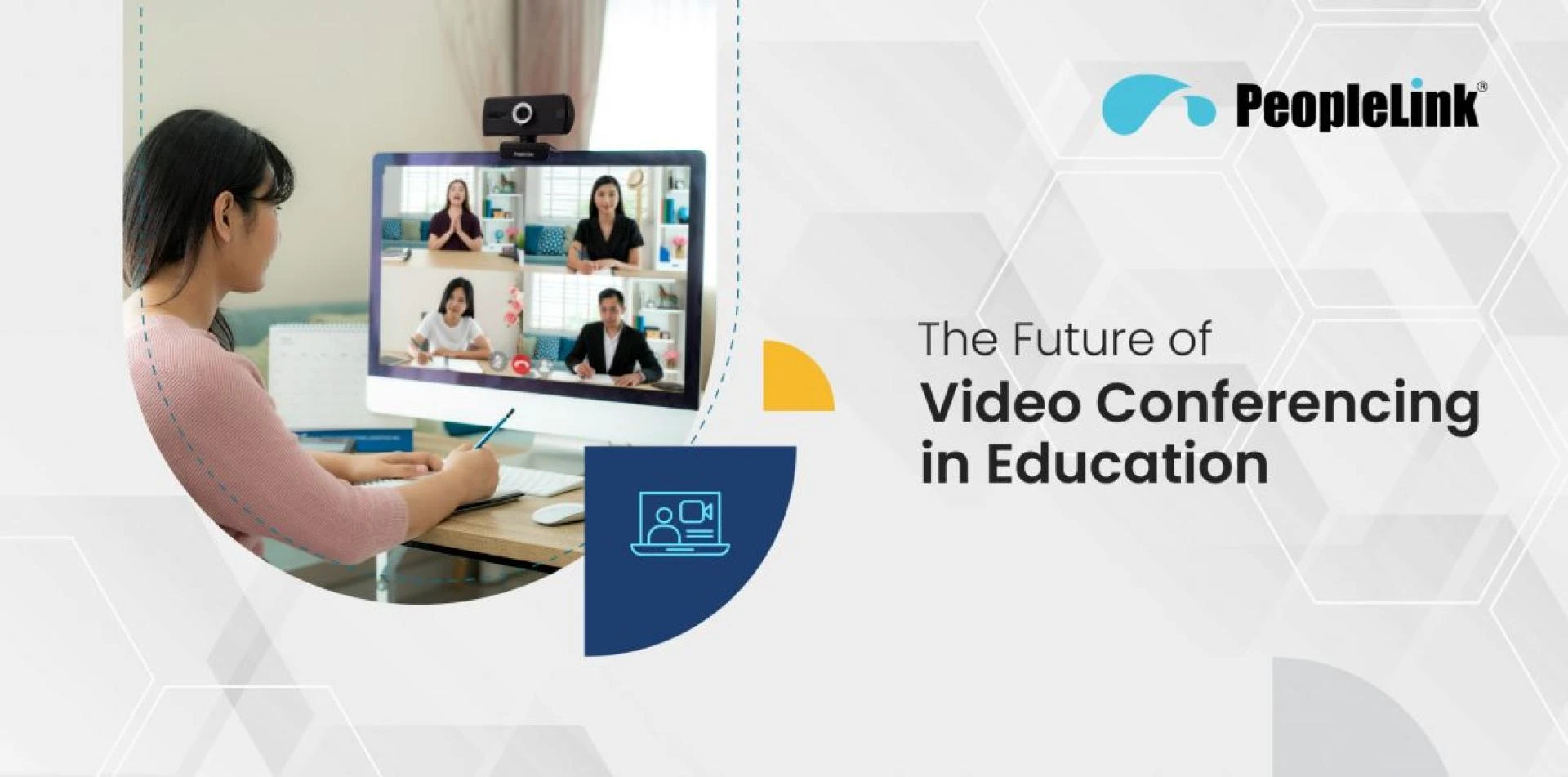
A Deep Dive into the Transformative Power of Video Communication in Learning Environments
In today's fast-evolving world, education has undergone a profound shift. Traditional classroom boundaries are dissolving, replaced by interactive, dynamic digital learning spaces. Video conferencing stands at the heart of this transformation, offering students and educators opportunities that were unimaginable just a few decades ago.
Let’s explore how video conferencing is shaping the future of education, step-by-step.
1. Breaking Geographical Barriers
Video conferencing has eliminated the distance between learners and educators. Students in remote areas can now access top-notch education without relocating. Whether it's attending a lecture from a university overseas or joining a workshop led by a global expert, location is no longer a limitation.
2. Enabling Real-Time Collaboration
With the right video conferencing solutions, students can interact, discuss, and collaborate in real time. Group projects, brainstorming sessions, and study groups become more effective, building teamwork skills essential for future workplaces.
3. Personalizing Learning Experiences
Every student learns differently. Video conferencing tools offer flexible options like breakout rooms, one-on-one tutoring, and recorded sessions. This allows educators to tailor learning paths according to individual student needs, ensuring no one is left behind.
4. Enhancing Engagement Through Interactive Tools
Features like digital whiteboards, screen sharing, polls, and quizzes make online classes highly engaging. These tools encourage student participation, making virtual learning more interactive and productive.
5. Ensuring Continuity During Disruptions
Natural disasters, pandemics, or unforeseen circumstances no longer have to pause education. Video conferencing keeps the learning process smooth and uninterrupted, offering students a sense of normalcy even in challenging times.
6. Reducing Educational Costs
Online classes significantly cut down on commuting, accommodation, and infrastructure costs. Schools and universities can reinvest those savings into enhancing educational content and resources.
7. Empowering Special Needs Education
Students with disabilities often face barriers in traditional classroom settings. Video conferencing provides customized learning environments that can be adapted to suit various accessibility needs, making education more inclusive.
8. Preparing Students for a Digital-First Future
As workplaces around the globe shift towards remote and hybrid models, mastering video communication becomes a vital skill. Through virtual classrooms, students become well-versed in using digital tools, preparing them for their future careers.
Conclusion:
The future of education is digital, and video conferencing is the bridge connecting today’s learners to tomorrow’s opportunities. By embracing this technology, educational institutions are not just keeping up with the times—they are paving the way for a smarter, more connected generation.