As energy costs rise and building regulations become stricter, retro insulation has become a crucial strategy for improving the energy efficiency, comfort, and durability of existing structures. Unlike new construction insulation, retro insulation is designed to upgrade older buildings without major reconstruction. It provides immediate benefits such as lower energy bills, improved temperature control, and reduced environmental impact. When combined with protective solutions like Metalguard for essence roofs and walls, retro insulation can also help prevent moisture damage and corrosion, further extending the lifespan of the structure.
This blog explores antique sequestration in detail, including its types, operations, benefits, installation styles, cost considerations, and conservation strategies.
What Is Retro Insulation?
Antique sequestration refers to the process of adding or upgrading sequestration in an being structure. Its purpose is to ameliorate the thermal performance of walls, roofs, bottoms, and ceilings without taking complete structural relief. Antique sequestration is especially precious for aged structures that were constructed with minimum or outdated sequestration.
Crucial Objects of Antique Sequestration
- Reducing heat loss in downtime and heat gain in summer
- Enhancing inner comfort and temperature thickness
- Lowering energy consumption and mileage costs
- Guarding structural accoutrements from condensation and humidity damage
- Extending the lifetime of roofing and wall systems
For essence structures, antique sequestration combined with defensive coatings like Metalguard ensures that both the sequestration and essence shells are defended from erosion, rust, and environmental wear and tear.
Types of Retro Insulation
Antique sequestration comes in several forms, each suited to specific structure requirements and structures:
1. Batt Insulation
Also known as batt or roll sequestration, mask sequestration is made of fiberglass, mineral hair, or synthetic accoutrements. It can be installed between being wall superstuds, ceiling joists, or roof trusses. This type is easy to install in accessible spaces and offers good thermal and aural performance.
2. Loose-Fill Insulation
Loose-fill sequestration consists of small patches of fiberglass, cellulose, or mineral hair that can be blown into wall depressions, garrets, or ceilings. It's ideal for retrofitting areas with irregular spaces or obstructions, as the material fills gaps and voids efficiently.
3. Spray Foam Insulation
Spray froth sequestration expands on operation, filling depressions and sealing air leaks. It provides excellent thermal resistance and acts as an air and humidity hedge. Spray froth is ideal for hard-to-reach areas and is particularly effective in perfecting energy effectiveness in aged structures.
4. Rigid Foam Boards
Rigid froth boards, similar as polyisocyanurate or expanded polystyrene, can be added to walls, roofs, or bottoms to ameliorate sequestration. They're durable, featherlight, and resistant to humidity. When applied to essence shells, they work well in confluence with coatings like Metalguard to help condensation-related erosion.
5. Reflective Insulation
Reflective sequestration uses antipode-faced layers to reflect radiant heat, reducing heat transfer through walls or roofs. This type is particularly useful in essence structures with high solar exposure, as it helps keep innards cooler.
Benefits of Retro Insulation
Elevation sequestration in an being structure offers multiple benefits:
1. Energy Efficiency
Antique sequestration reduces heat loss in downtime and heat gain in summer, lowering heating and cooling costs. Proper sequestration can reduce energy consumption by 20 – 40 depending on the structure and climate.
2. Enhanced Comfort
Isolated walls, roofs, and ceilings maintain harmonious inner temperatures, precluding cold drafts in downtime and overheating in summer. Antique sequestration contributes to a more comfortable living or working terrain.
3. Condensation and Humidity Control
Essence structures are prone to condensation, which can beget erosion, rust, and earth growth. Combining antique sequestration with defensive coatings like Metalguard prevents humidity buildup, guarding both the sequestration and essence shells.
4. Noise Reduction
Antique sequestration acts as a sound hedge, reducing noise from rain, hail, ministry, or business. This is particularly salutary in marketable, artificial, or domestic surroundings where noise control is important.
5. Environmental Impact
Retrofitting sequestration reduces energy consumption, dwindling hothouse gas emigrations. Numerous sequestration accoutrements are made from recycled content and are recyclable at the end of their life, contributing to sustainable structure practices.
6. Increased Property Value
Advanced energy effectiveness and comfort enhance a structure’s resale value. Buyers and tenants are decreasingly looking for structures with ultramodern sequestration and energy-saving features.
Retro Sequestration in Essence Structures
Essence structures, similar as storages, manufactories, and agrarian structures, profit significantly from antique sequestration. Crucial considerations include:
- Condensation Prevention – Metal shells cool snappily, leading to condensation that can erode panels. Defensive coatings like Metalguard combined with proper sequestration help humidity-related damage.
- Energy Savings – Metal structures frequently have large face areas exposed to heat gain or loss. Antique sequestration reduces HVAC loads and energy costs.
- Noise Control – Essence roofs and walls amplify sound. Adding sequestration reduces noise from rain, wind, or ministry.
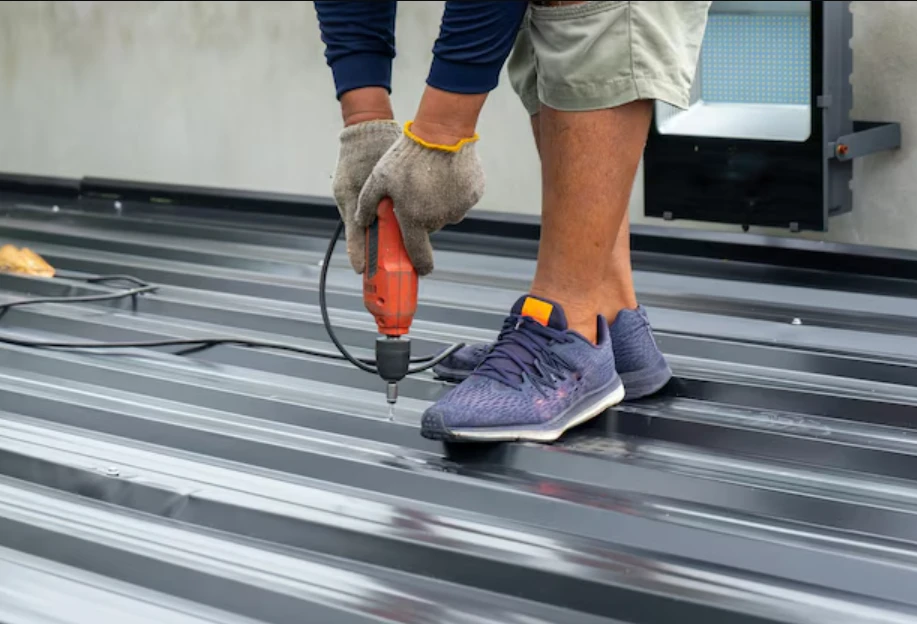
- Ease of Installation – Sequestration can be installed on the interior side of walls or roofs without altering the surface structure.
Retro Sequestration Installation Styles
The system chosen depends on structure type, being structure, and sequestration material. Common installation practices include:
1. Attic or Roof Retrofits
- Install mask sequestration or rigid froth boards between rafters
- Use reflective sequestration on the underpart of essence roofing
- Apply defensive coatings like Metalguard to essence panels to help erosion
2. Wall Insulation
- Fit loose-filler or spray froth sequestration into being wall depressions
- Install rigid boards on interior walls if depressions are inapproachable
- Insure vapor walls and defensive coatings are applied to help humidity damage
3. Floor Sequestration
- Add sequestration beneath raised bottoms using rigid froth boards or spray froth
- Seal gaps and joints to help heat loss and humidity penetration
4. Combination Approaches
Frequently, antique sequestration involves combining styles for optimal performance:
- Illustrate spray froth in tight depressions, rigid froth boards on surface walls, and reflective sequestration under essence roofs
Cost Considerations for Retro Insulation
Several factors impact the cost of antique sequestration:
- Material Type – Spray froth is more precious than loose-filler or batt sequestration, but provides superior performance
- Structure Size and Access – Larger structures or hard-to-reach spaces increase labor and material costs
- Defensive Measures – Applying coatings like Metalguard to essence shells adds outspoken cost but reduces unborn conservation charges
- Energy Efficiency Pretensions – Advanced R-value sequestration (thermal resistance) may bring further but provides lesser long-term savings
On average, antique sequestration costs range from $1.50 to $5 per square bottom, depending on material and installation complexity. While the original investment may feel significant, energy savings, comfort, and reduced structure conservation snappily justify the cost.
Conservation and Life
Antique sequestration is low-conservation, but routine care ensures optimal performance:
- Check for humidity buildup, earth, or pest damage
- Insure vapor walls remain complete to help condensation
- Reapply defensive coatings like Metalguard on exposed essence shells
- Clean gutters, roofs, and ventilation to help water intrusion and maintain sequestration performance
- Replace or repair damaged sequestration instantly to maintain thermal effectiveness
With proper installation and conservation, antique sequestration can last decades, furnishing lasting energy and cost benefits.
Conclusion
Retro insulation is a cost-effective and sustainable solution for improving the energy efficiency, comfort, and lifespan of existing buildings. It addresses heat loss, heat gain, condensation, and noise issues while reducing energy bills and environmental impact. Essence structures, in particular, benefit from retro insulation combined with protective coatings like Metalguard, which help prevent corrosion, moisture damage, and surface deterioration. Timely metal building repair complements these upgrades by restoring structural integrity, addressing wear and damage, and ensuring the building remains safe, durable, and energy-efficient over time.
By opting the applicable sequestration type — whether mask, loose-filler, spray froth, rigid board, or reflective — property possessors can achieve optimal thermal performance for their structures. Professional installation and periodic conservation insure long-term benefits and cover both the sequestration and underpinning structure accoutrements.
Investing in antique sequestration is an investment in comfort, energy effectiveness, and erecting life. Whether for domestic, marketable, or artificial operations, it provides measurable savings, bettered environmental performance, and enhanced structural protection, making it a practical result for any aged structure in need of an upgrade.