
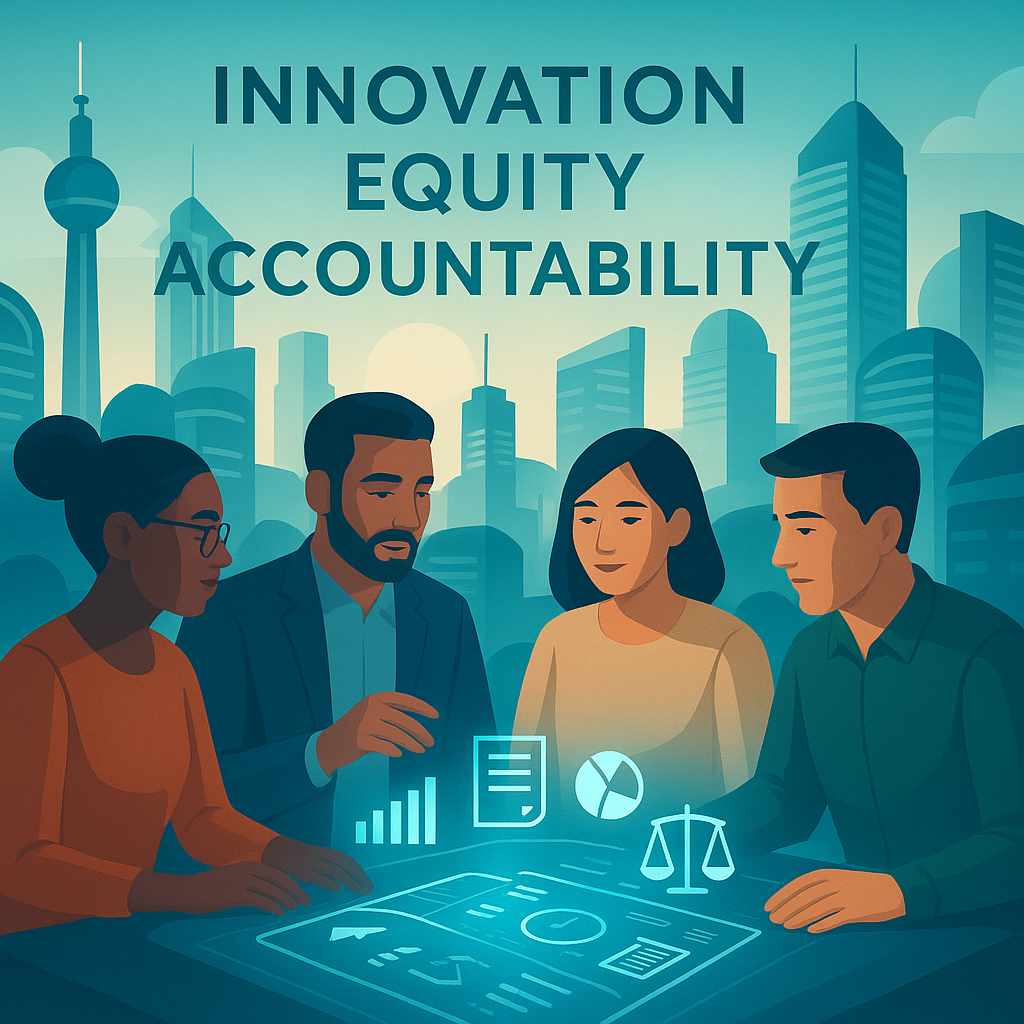
The Crucible of Change: How Government Policy Shapes Societies
At the break of dawn on January 15, 2026, a landmark policy shift rippled through multiple sectors of the global economy. Governments worldwide, from democratic powerhouses to emerging economies, have been reexamining their policy frameworks amid rising socioeconomic disparities, technological upheavals, and environmental imperatives. Today’s policy debates no longer revolve solely around traditional governance but increasingly incorporate questions of ethics, sustainability, and digital sovereignty. This shift marks a pivotal juncture where government policy transcends mere regulation to become the fulcrum for societal resilience and innovation.
Consider this: the 2025 Global Governance Index revealed that only 35% of citizens across surveyed nations felt that their government policies adequately addressed future challenges such as AI regulation, climate change, and social equity. This skepticism underscores a growing demand for governments to not only draft policies but also to embed transparency, inclusivity, and adaptability into their very fabric.
“Government policy today must be agile enough to anticipate tomorrow’s crises while equitable enough to serve diverse populations effectively.” — Dr. Renata Morales, Policy Analyst, International Governance Forum
From Industrial Age to Digital Era: Tracing the Evolution of Government Policy
The roots of contemporary government policy trace back to post-industrial revolution structures, where policies primarily aimed to regulate industrial growth, labor rights, and urban development. The 20th century was dominated by welfare state models, reflecting an era focused on social safety nets and economic redistribution. However, the acceleration of technological innovation and globalization in the late 20th and early 21st centuries rendered many traditional policies outdated.
By the early 2020s, policy frameworks began grappling with challenges unprecedented in scale and complexity: the rise of artificial intelligence, climate emergencies, and digital currencies. Governments had to pivot from reactive regulation to proactive governance, emphasizing foresight and collaborative governance models. The evolution can be segmented into three key phases:
- Industrial Regulation Era (1900-1970): Focused on labor laws, environmental standards, and economic controls.
- Welfare and Social Policy Era (1970-2000): Expansion of social security, healthcare, and public education policies.
- Digital and Sustainability Era (2000-Present): Emphasis on digital governance, climate policy, and inclusive innovation.
These shifts reflect the changing role of government policy from controlling economic development to enabling complex societal systems. This background sets the stage to understand the current policy dynamics we observe in 2026.
2026 Policy Landscape: Data-Driven Governance and Societal Impact
The year 2026 is witnessing an unprecedented integration of data analytics and citizen engagement in policy formulation. Governments globally are leveraging advanced AI-driven platforms to simulate policy outcomes, optimize resource allocation, and monitor compliance in real-time. According to the 2026 World Policy Report, 68% of OECD countries have adopted predictive analytics tools in at least one major policy domain.
This data-driven approach is particularly visible in three sectors:
- Climate Action: Real-time environmental monitoring and adaptive policies have improved carbon emission targets adherence by 25% in the last two years.
- Public Health: AI-enabled epidemiological models have enhanced pandemic preparedness, reducing response times by 40% compared to the 2020 COVID-19 crisis.
- Urban Planning: Smart city initiatives incorporate citizen feedback loops and machine learning to optimize infrastructure and public services.
However, these advancements also raise critical questions about privacy, data ethics, and the digital divide. The 2026 Global Digital Rights Survey highlights that 42% of citizens express concerns over surveillance and data misuse linked to government policies. Balancing technological innovation with civil liberties remains a central tension.
“Embracing technology in governance must go hand-in-hand with robust ethical frameworks to protect individual rights and prevent systemic bias.” — Amina Shah, Director, Global Ethics in Tech Institute
Expert Perspectives: Policy-Making in a Complex World
Experts agree that government policy in 2026 must embody multidimensional thinking to address competing priorities. Dr. Marcus Telford, a leading political economist, emphasizes that “policy-making today is less about unilateral decisions and more about orchestrating networks of stakeholders, including private sector actors, civil society, and technologists.”
This collaborative governance model is evident in public-private partnerships tackling climate resilience and digital infrastructure. For example, the Climate Adaptation Alliance, launched in late 2025, is a coalition involving governments, NGOs, and corporations working collectively to implement adaptive policies across vulnerable regions.
Moreover, the rise of deliberative democracy platforms has allowed citizens to participate more directly in policy design. Tools such as blockchain-enabled voting systems provide transparency and reduce voter fraud, fostering trust in democratic processes. Yet, these innovations are unevenly distributed, often leaving marginalized communities behind.
- Experts highlight three critical policy challenges for governments in 2026:
- Integrating ethical AI governance frameworks into national legislation.
- Ensuring equitable access to digital infrastructure and services.
- Embedding climate justice principles in environmental regulations.
These considerations are shaping policy dialogues worldwide, impacting legal reforms and administrative transformations.
Case Studies: Innovative Policies That Illuminate the Path Forward
To illustrate how governments are innovating policy, we examine two contrasting case studies from 2025–2026 that underscore best practices and cautionary tales.
Singapore’s Smart Nation Initiative
Singapore’s government has successfully integrated AI and IoT technologies into urban governance, creating a highly responsive and sustainable city ecosystem. The Smart Nation Initiative’s latest phase focuses on predictive public health management and climate resilience, using a blend of citizen data and environmental sensors. Early results show a 30% improvement in emergency response times and a 15% reduction in energy consumption across public buildings.
Brazil’s Amazon Protection Policy Challenges
Conversely, Brazil’s efforts to implement sustainable development policies in the Amazon have faced significant hurdles. Despite ambitious environmental laws aimed at curbing deforestation, enforcement remains weak due to corruption, political instability, and insufficient local engagement. Analysts warn that without stronger governance mechanisms and community participation, policy outcomes risk falling short of targets.
These case studies highlight the complexity of translating policy into practice and the necessity of contextualized, transparent approaches.
What to Watch: Government Policy Trajectories and Takeaways for 2026 and Beyond
Looking forward, several trends will likely shape government policy frameworks over the next decade. First, the increasing prominence of anticipatory governance—where policies are designed to preempt and mitigate emerging risks—is set to redefine policy cycles. Governments investing in foresight capabilities, scenario planning, and agile frameworks will be better positioned to navigate uncertainties.
Second, the integration of social equity metrics into policy assessment will become standard practice. Policymakers are embracing tools to measure the distributive impacts of policies across demographic groups, aiming to reduce systemic inequalities.
Third, the global push for climate-aligned financial regulation will gain momentum, with governments coordinating to enforce transparency in corporate environmental disclosures and green financing.
To navigate this evolving terrain, policymakers and citizens alike must prioritize:
- Robust stakeholder engagement ensuring diverse voices shape policy.
- Transparency mechanisms to build trust and accountability.
- Investment in digital literacy to bridge the participation gap.
For those interested in understanding the broader legal context influencing these developments, you might enjoy Law in 2026: Trends, Challenges, and Transformations Shaping Justice. Additionally, to grasp the importance of regulation as a foundation for innovation, see our analysis in Why Regulation Remains the Pillar of Modern Governance and Innovation.
“The future of government policy lies in its ability to integrate innovation with inclusivity, ensuring no one is left behind in the march toward progress.” — Li Wei, Senior Advisor, United Nations Policy Innovation Lab