Restoring a Monterey Colonial home is a rewarding journey, but it comes with its fair share of challenges. One of the most common issues homeowners face is the deteriorating structural integrity of these historic homes. Over time, the wear and tear from exposure to the elements, outdated systems, and changes in building codes can create substantial hurdles. Understanding these challenges and how to address them can make the restoration process smoother and more successful.
1. Structural Issues: Addressing Foundation Problems
Many Colonial homes face foundation issues due to their age, which can result in uneven floors, cracked walls, and doors or windows that no longer fit properly. These structural issues often arise from settling, moisture, or even seismic activity in regions where these homes were originally built.
Solution: Start with a thorough inspection of the foundation. If needed, consult with a structural engineer who specializes in historic homes. Foundation repair options, such as underpinning or stabilization techniques, can correct the shifting. Taking proactive steps here ensures the house is stable for future improvements.
2. Weathering and Wear: Dealing with Exterior Damage
The beautiful exteriors of Monterey Colonial architecture, often featuring stucco walls and wooden shutters, can deteriorate over time due to exposure to the elements. Salt air, moisture, and harsh sunlight can cause significant weathering, leading to cracked walls, faded paint, and worn-out finishes.
Solution: Replastering is one effective solution for damaged stucco. Opt for materials that mimic the original finish, ensuring historical accuracy. Additionally, using high-quality, breathable paints and coatings designed for coastal or humid environments can help preserve the home’s exterior.
3. Outdated Electrical and Plumbing Systems
As charming as Monterey Colonial homes may be, their original electrical and plumbing systems are often outdated and inefficient. These homes were designed long before modern building codes, and their systems may not support the needs of contemporary living.
Solution: Updating the electrical wiring and plumbing is crucial for both safety and functionality. A professional with experience in historic homes should replace outdated systems with modern, energy-efficient alternatives. Additionally, consider incorporating smart home features into the system for a seamless blend of tradition and modern convenience.
4. Preserving Historical Integrity vs. Modernization
Balancing the preservation of historical features with the need for modernization is one of the most delicate aspects of restoring Monterey Colonial architecture. While some original elements may no longer meet today’s needs, it is essential to maintain the character and charm that make these homes unique.
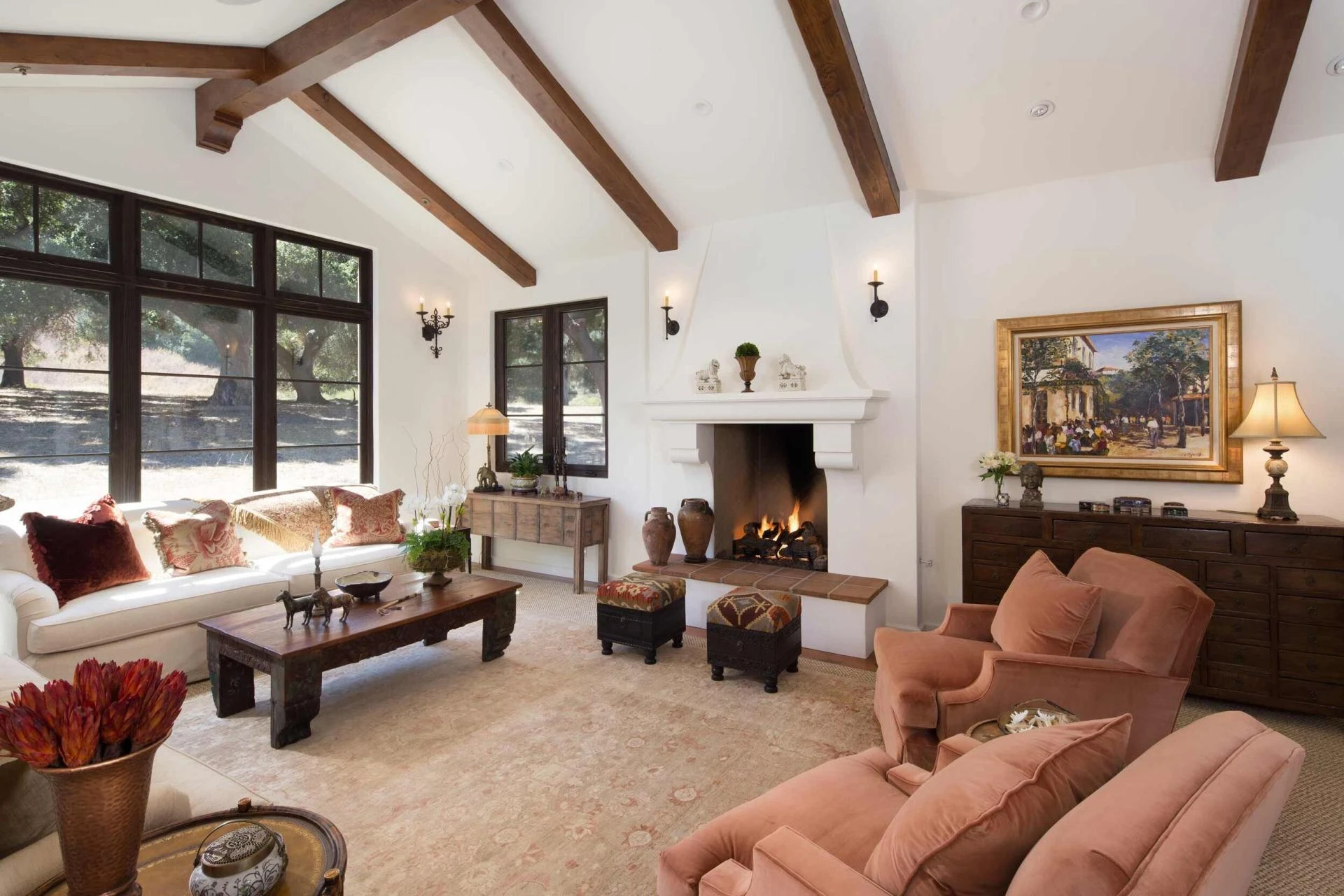
Solution: Work with an architect who specializes in historical restoration. Focus on blending contemporary architecture home solutions with traditional elements. For example, preserving original tilework or exposed beams while introducing modern kitchen appliances or energy-efficient windows ensures that the home remains functional without losing its historical appeal.
5. Insufficient Insulation: Improving Energy Efficiency
Many Monterey Colonial homes were built before the emphasis on energy efficiency was common, which can result in high utility bills. Poor insulation, drafty windows, and thin walls make it difficult to maintain comfortable temperatures inside.
Solution: Consider insulating the walls, adding energy-efficient windows, and updating the HVAC system. A great way to maintain the aesthetic is by installing interior storm windows that provide insulation without disrupting the traditional look. These improvements will not only reduce energy consumption but also contribute to a more sustainable living space.
6. Seismic Retrofits: Ensuring Safety in Earthquake-Prone Areas
Given that many Monterey Colonial homes are located in earthquake-prone regions, ensuring the home is up to seismic codes is a key consideration. Older homes may not have been built to withstand modern seismic activity, which could pose safety risks.
Solution: A seismic retrofit strengthens the structural integrity of a home, ensuring it can better withstand earthquakes. This can include reinforcing walls, installing shear panels, or bolting the foundation to the frame. Seismic retrofitting is an essential investment to ensure the long-term safety of the home.
7. Cost of Restoration: Budgeting for the Unexpected
Restoring a Monterey Colonial home can be costly, especially when dealing with unforeseen issues like foundation repair or hidden water damage. It’s common for homeowners to face unexpected expenses that can derail their budget.
Solution: It’s essential to plan for the unexpected by building a contingency fund into the budget. Working with a skilled contractor who understands the nuances of historic restoration can help manage costs and keep the project on track. A realistic budget that accounts for potential surprises ensures the project is completed on time and within financial reach.
Last Note
Restoring Monterey Colonial architecture is an exciting opportunity to breathe new life into a piece of history. However, it’s important to be mindful of the unique challenges these homes present. With careful planning and a focus on preserving the home’s charm while integrating modern functionality, you can ensure that your restoration project is a success.