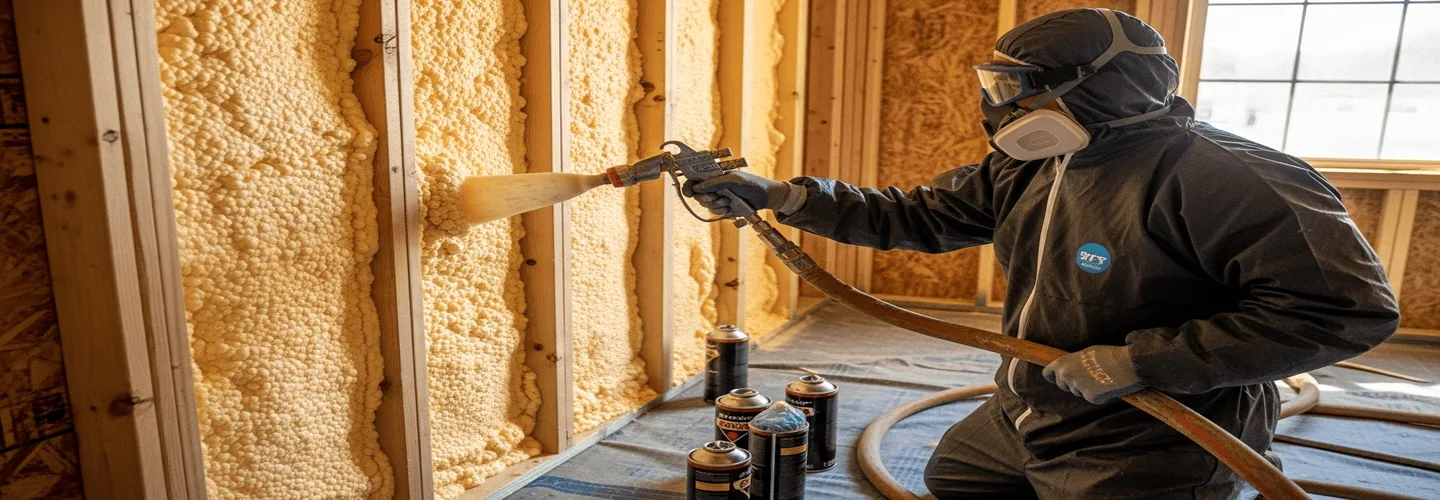
Residential insulation installation is the process of adding protective thermal barriers to a home's floors, walls, and ceilings. This practice acts as a shield that slows the movement of heat, keeping indoor spaces cooler in the summer and warmer in the winter. By properly sealing a home's thermal envelope, property owners can significantly reduce the workload on heating and cooling systems.
Homeowners often find that upgrading these barriers is one of the most effective ways to lower monthly utility bills and increase overall comfort. This guide provides a detailed look at the types of materials available, the steps involved in the process, and how to select a qualified service provider. Understanding these factors helps ensure that a home remains energy efficient for years to come.
Experts in the building science field agree that a well-insulated home is the foundation of energy conservation. With rising energy costs and changing weather patterns, having a professional evaluate a current setup is a smart financial move. This article outlines everything needed to make an informed decision about a property.
The Financial Benefits of Proper Insulation
Data from the Environmental Protection Agency suggests that homeowners can save an average of 15% on heating and cooling costs by air sealing and adding insulation. In regions with extreme temperature swings, these savings can be even higher. The initial cost of the project often pays for itself through reduced energy consumption over several years.
Beyond direct savings, a high-quality residential insulation installation adds value to a property. Buyers today prioritize energy efficiency and lower operating costs. A home that stays comfortable without running the air conditioner constantly is a major selling point in competitive real estate markets.
Properly installed materials also protect the structural integrity of a home. They help manage moisture levels in attics and crawlspaces, which prevents wood rot and mold growth. This proactive approach saves money on expensive repairs that typically arise from poor climate control within a building's shell.
Common Materials Used in Home Insulation Services
Selecting the right material depends on the budget, the age of the home, and specific problem areas like drafty attics or thin walls. Most home insulation services offer several options ranging from traditional fiberglass batts to advanced spray foam solutions. Each material has a specific R-value, which measures its resistance to heat flow.
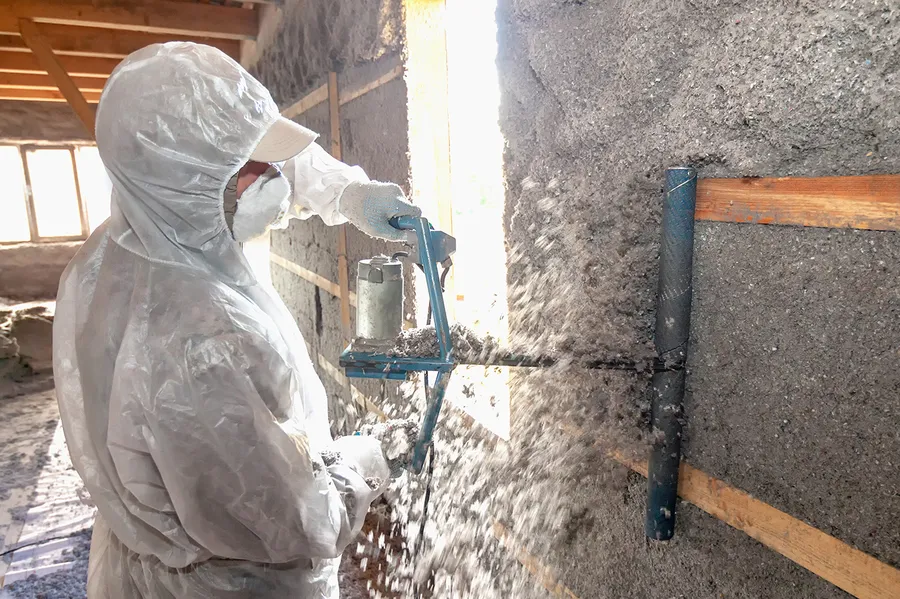
Fiberglass remains a popular choice due to its affordability and ease of use in standard wall cavities. Cellulose, made from recycled paper products treated for fire resistance, is an excellent option for blowing into existing walls. Many modern homeowners are turning to spray foam for its ability to provide both insulation and an airtight seal in one application.
Mineral wool is another option frequently recommended for its superior fire resistance and soundproofing qualities. While it is denser and more expensive than fiberglass, it does not sag over time and performs well in damp environments. Understanding the differences between these materials helps in choosing the best fit for specific needs.
Comparing Insulation Materials and Performance
Material TypeR-Value per InchPrimary AdvantageBest ApplicationFiberglass Batts2.2 - 3.8Lower upfront costUnfinished walls and floorsBlown-In Cellulose3.2 - 3.8Eco-friendly and denseExisting wall cavities and atticsOpen-Cell Spray Foam3.5 - 3.7Excellent air sealingInterior walls and roof decksClosed-Cell Spray Foam6.0 - 7.0Highest R-value and moisture barrierExterior walls and crawlspacesMineral Wool3.0 - 3.3Fire and sound resistanceBetween floors or near heat sources
How Does Residential Insulation Installation Impact Monthly Utility Bills?
When a home lacks sufficient thermal protection, the HVAC system must run almost continuously to maintain a set temperature. During a residential insulation installation, the gaps where air leaks out are sealed, and the thermal resistance is increased. This allows a heater or air conditioner to reach the desired temperature quickly and stay off for longer periods.
In a poorly insulated house, heat moves through the ceiling and walls via conduction. In the summer, the sun beats down on the roof, transferring heat into the attic and then into the living space. Quality insulation blocks this transfer, meaning an air conditioner does not have to fight against a constant influx of heat from above.
Also, reducing the run time of HVAC equipment extends its lifespan. Systems that do not have to work as hard experience less wear and tear, leading to fewer mechanical failures. The combined effect of lower monthly bills and reduced maintenance costs makes this an essential upgrade for any property owner.
Regional Climate Guidance for Texas Homeowners
In climates like Texas, where humidity and high temperatures are constant challenges, insulation must do more than just stop heat. It needs to manage moisture. High humidity can lead to condensation inside walls if the insulation does not provide an adequate vapor barrier. This is why closed-cell spray foam is often a preferred choice for the Gulf Coast and Central Texas regions.

Texas attics can reach temperatures upwards of 150 degrees Fahrenheit during July and August. Standard fiberglass often struggles to keep up with this level of radiant heat. Professionals often recommend a "hot roof" design using spray foam, which brings the attic into the conditioned space of the home, drastically reducing the heat load on attic-mounted AC units.
Bonus Tip: For those living in high-humidity areas, it is wise to ensure a residential insulation contractor checks for proper attic ventilation before adding more material. Without a way for moisture to escape, new insulation can trap damp air and lead to roof deck issues.
5 Steps to Expect During Residential Insulation Installation
While regional needs dictate the choice of materials, the professional installation process follows a standard sequence to ensure optimal performance. The process typically begins with a thorough inspection of current insulation levels. A professional will look for compressed batts, gaps in coverage, and signs of pest activity or moisture. They will then calculate how much additional material is needed to reach the recommended R-value for a specific zone.
Next, the site is prepared to protect furniture and flooring. If old materials are being replaced, the team will perform professional insulation removal to get rid of dust, allergens, and old fiberglass. This step is necessary to ensure the new material can adhere correctly to the surfaces and provide a clean start for the home's thermal envelope.
The actual installation follows, whether it involves blowing in cellulose, stapling batts, or spraying foam. After the material is in place, technicians verify that all gaps around pipes, wires, and light fixtures are sealed. Finally, a post-installation check ensures that the home's ventilation remains functional and that the workspace is left clean and debris-free.
4 Factors to Consider Before Hiring a Residential Insulation Contractor
Hiring a residential insulation contractor requires looking beyond the lowest price. Property owners should check for proper licensing and insurance to protect the property during the job. A reputable professional will provide a detailed written estimate that breaks down the material types, R-values, and the specific areas of the home being treated.
Experience with various materials is also a major factor. A contractor who only installs one type of insulation might not give the best advice for a specific home layout. It is helpful to ask about their training and whether they use the latest equipment to ensure an even and effective application across all spaces.
Reviewing past customer feedback gives a sense of their reliability and cleanliness. Most people prefer a team that respects the home and finishes the job on schedule. A good contractor will also be happy to explain the science behind their recommendations, helping homeowners understand exactly how the new barrier will improve the property's performance.
Why Work With a Specialized Residential Insulation Company?
Choosing a dedicated residential insulation company ensures that homeowners receive expert service tailored to the unique needs of a house. Unlike general contractors, these specialists focus entirely on thermal performance and air sealing. They stay updated on the latest building codes and energy efficiency standards, which can vary significantly between municipalities.
Specialized companies also have access to higher-grade materials that may not be available at local hardware stores. They use industrial-strength blowers and spray rigs that provide a much tighter and more consistent application than DIY methods. This precision is what leads to the long-term energy savings that property owners expect.
Bonus Tip: Before a project starts, it is useful to ask the company if there are any local utility rebates available. Many energy providers offer financial incentives for homeowners who upgrade their insulation to meet certain efficiency levels. A knowledgeable local company will often help homeowners with the paperwork for these savings.
Preparing Your Home for New Insulation
Before the crew arrives, there are a few things that can be done to make the process smoother. Clearing storage items out of the attic or crawlspace provides easy access to the joists and wall cavities. If there are specific rooms that are always too hot or too cold, pointing these out to the lead technician allows them to pay extra attention to those zones.
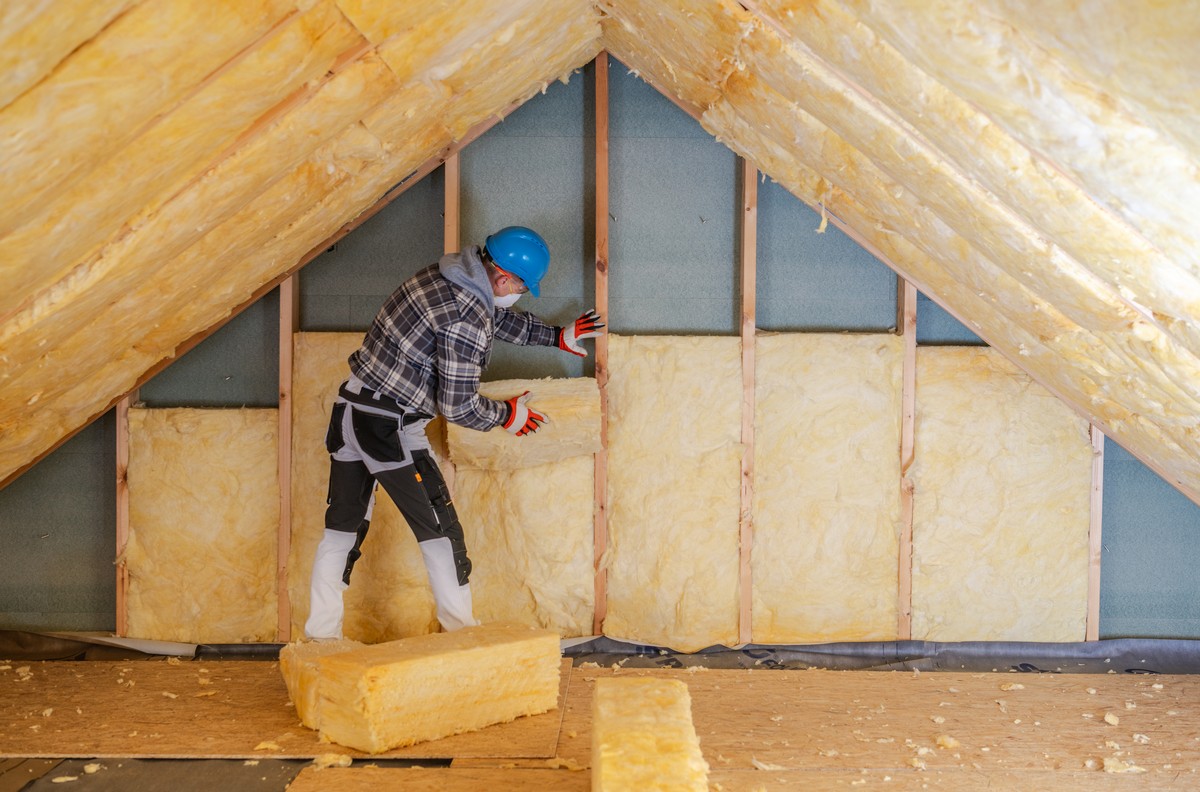
It is also helpful to check for any roof leaks or plumbing issues in the areas being insulated. Covering up a leak with new material will only cause problems later. Addressing these minor repairs beforehand ensures that a new residential insulation installation stays dry and effective for its entire lifespan.
Choosing Your Insulation Partner
Upgrading a home's thermal barrier is a long-term investment in comfort and savings. By selecting the right materials and working with experienced professionals, homeowners can change how a property handles the elements. A well-insulated house is quieter, cleaner, and much more affordable to maintain throughout the year.
When homeowners are ready to move forward, it is best to consult with experts who understand the specific challenges of the local climate. They can provide a tailored plan that addresses a home's unique weaknesses and maximizes the return on investment. Taking the time to research options now will lead to a more comfortable living environment for decades.
Get a Free Quote for Your Home Insulation Project
If a property owner wants to improve energy efficiency, contacting a professional is the best next step. Homeowners can reach out to Spray Foam Tech for expert advice on which materials will work best for their property. Their team provides a range of solutions, including open-cell and closed-cell spray foam, to help achieve the best results. For a free quote and to discuss specific needs, they can be contacted at (737) 777-9590 or by sending an email to [email protected]. For more details, reach out to them at https://maps.app.goo.gl/EGjHWFsjyKuVz28T9. They are a trusted provider for those looking to enhance their living space through professional residential insulation installation.
Common Questions About Home Insulation
How long does the installation process typically take?
Most residential projects can be completed in one to two days. The timeline depends on the size of the home and whether old insulation needs to be removed before the new material is added.
Is it possible to stay in the home during a spray foam installation?
Experts generally recommend that residents and pets leave the home for 24 hours during and after a spray foam application. This allows the material to fully cure and ensures any odors from the process have completely dissipated.
How can homeowners tell if current insulation needs replacement?
If utility bills are rising, the home feels drafty, or floor joists are visible in the attic, an upgrade is likely needed. Material that is damp, moldy, or compressed should also be replaced immediately.
Will new insulation help with outside noise?
Yes, materials like spray foam and mineral wool are excellent at dampening sound. They seal the gaps that allow noise from traffic, sirens, or neighbors to enter a home, creating a much quieter indoor environment.
Is spray foam worth the additional cost compared to fiberglass?
While the upfront cost is higher, spray foam provides a superior air seal that fiberglass cannot match. Over time, the increased energy savings and improved moisture control often make it the more cost-effective choice for many homeowners.